
FDA updates, phase 3 CRISPR data in HAE, and emerging food allergy prevention strategies defined allergy and immunology news in April 2026.
FDA updates, phase 3 CRISPR data in HAE, and emerging food allergy prevention strategies defined allergy and immunology news in April 2026.
In this Q&A interview, Hordinsky was asked about recent 1-year data on clascoterone solution 5% in androgenetic alopecia (AGA).
Sadhu provides an update on the state of the stem cell and islet cell therapy landscapes, highlighting encouraging developments in insulin independence.
Garimella, MBBS, unpacks what clinicians need to know about APOL1-mediated kidney disease, including misclassification, testing barriers, and management gaps.

IBS care is evolving with personalized, multimodal strategies, but gaps in access, education, and real-world outcomes continue to impact patients’ lives
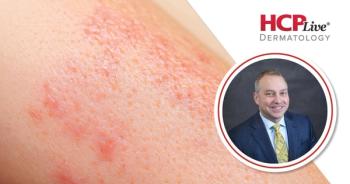
Are IL-23 inhibitors, rather than IL-17 inhibitors, the preferred biologic for psoriasis patients at risk of developing psoriatic arthritis?
Shahla discusses a recent real-world study analyzing the clinical outcomes of patients prescribed paltusotine after its September 2025 approval.

Q&A with Le Thanh-Thao on trial data showing 25 mcg of JJA VIT matched 50 mcg efficacy, with safety and biomarker insights.

Phase 2 RAPIDe-1 trial shows an oral bradykinin B2 antagonist improves symptom relief and reduces rescue therapy use in hereditary angioedema attacks.

In this April episode, the discussion highlights how intentional choices and practice ownership can help physicians align professional with personal success.

This Q&A interview with Nambudiri covers the AAD Clinical Image Collection, launched in January 2025 to address diversity in dermatology education.

Brelovitug achieved the FDA-specified primary endpoint for HDV RNA reduction and normalization of ALT in a phase 2b trial.
Silverstein addresses a secondary analysis of the GRACE trial, highlighting relacorilant’s efficacy in reducing cortisol in patients taking GLP-1 RAs.

Low-dose radiation therapy is gaining attention in the US for osteoarthritis and inflammatory pain, with clinicians citing anti-inflammatory effects.

Inusa discusses how clinicians can close gaps in sickle cell disease care and global disparities.
Joshi explains the narrow window of optimal iodine levels, highlighting the risk posed by supplements and iodized salt in tipping the scales toward health risks.

The International Eczema Council set out to create a set of consensus-based definitions of remission, LDA, and vLDA in atopic dermatitis.
Campbell answers questions about the current research and clinical landscape of APOL1-mediated kidney disease.
This Q&A interview highlights emerging therapies for atopic dermatitis, featuring Christopher G. Bunick, MD, PhD of Yale Medicine.
Brelovitug met the primary endpoint for virologic response and ALT normalization in the phase 2b portion of the AZURE-1 trial.
54-week STOP-HS safety data for the JAK1-selective inhibitor povorcitinib showed no dose-dependent safety signal and few laboratory abnormalities.
Study investigator Inusa explains the gap in sickle cell disease findings from SWAP, a multinational survey.
Isaacs covers the range of AID devices currently available and approved for T2D, providing suggestions for implementation and continuous glycated hemoglobin monitoring.
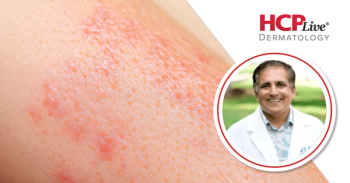
In this Q&A interview, Bhatia discusses the FDA's recent acceptance of BLA for imsidolimab for generalized pustular psoriasis (GPP).

Study showed the PETRUSHKA decision-support tool reduced antidepressant discontinuation, supporting personalized treatment approaches.

The FDA has approved budesonide/glycopyrrolate/formoterol fumarate as the first single-inhaler triple therapy for asthma.
AbbVie submitted an sNDA to the FDA seeking approval of upadacitinib for severe alopecia areata in adults and adolescents.

Lu explains findings that link PCBP1 to the pathogenesis of AARS2-related cardiomyopathy.
The FDA granted Fast Track Designation to coramitug, an investigational anti-TTR antibody designed to clear existing amyloid deposits in ATTR cardiomyopathy.
The FDA has accepted bepirovirsen's NDA for Priority Review and granted Breakthrough Therapy designation, with a PDUFA date of October 26, 2026.