
New real world data suggest GLP-1 RAs do not drive DKA or pancreatitis risk in adult patients with type 1 diabetes and may reduce hospital admissions.
New real world data suggest GLP-1 RAs do not drive DKA or pancreatitis risk in adult patients with type 1 diabetes and may reduce hospital admissions.

Shah discusses the potential of GLP-1 receptor agonists as adjunctive therapy in type 1 diabetes, from glycemic control to cardiometabolic risk.
Mechanick discusses the importance of dietary interventions in endocrinology and highlights the need for further education and awareness of metabolic function.

In this segment of the interview, questions remaining about AI's effectiveness among patients in dermatology were explored.
Galindo describes how CKM may transform diabetes care by enabling real-time insights, improving DKA prevention, and advancing metabolic understanding.

FDA approved lunsotogene parvec for OTOF-related hearing loss based on phase 1/2 data showing improved hearing in a small cohort.

Recent data presented at AACE 2026 have indicated the efficacy of GLP-1 RA treatment in reducing risk of diabetic retinopathy, renal disease, and others.

Alva outlines how general clinicians should address patient questions on psychedelic therapies, including risks, approvals, and referral pathways.
Liu and Sayres emphasize that while AI tools improve consumer recognition of skin conditions, gaps remain in prediction accuracy and information.

A recent study presented at AACE 2026 has displayed the IGF-1R’s capacity for improving proptosis and disease activity in patients with poorly-controlled TED.

Leventhal describes the limits of current immunosuppression and the rationale behind early-phase clinical trials evaluating cellular therapies.

RCTs show intermittent fasting and calorie restriction yield similar HbA1c and cardiometabolic outcomes in type 2 diabetes, with modest, nonsignificant weight differences.

Results from the 52-week open-label extension trial highlight strong safety and efficacy outcomes with lonapegsomatropin in adults with growth hormone deficiency.
FDA approved dupilumab for children aged 2 to 11 years with chronic spontaneous urticaria uncontrolled by H1 antihistamines.

In an interview, Bérard discusses cohort data showing no increased risk of major congenital malformations with ICS or ICS/LABA use in first trimester.
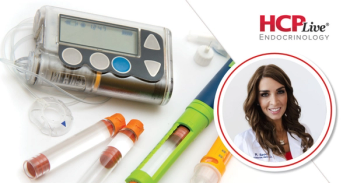
Sood discusses the FDA expansion of teplizumab to children as young as age 1 with stage 2 T1D and the implications for early intervention and delaying disease progression.
This interview highlights new data assessing whether artificial intelligence (AI)–powered tools can help consumers better understand dermatology cases.
Propensity-matched data link empagliflozin to lower risk of CV events, AKI, and other outcomes versus dapagliflozin in type 2 diabetes.

A recent presentation at AACE 2026 highlights the drastically increased risk of mortality, sepsis, diabetic ketoacidosis, and recurrent acute pancreatitis after GLP-1 initiation.
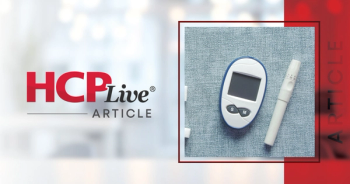
A recent study from AACE 2026 has indicated the value of bariatric surgery in adults with type 1 diabetes – and emphasized the need for closer perioperative management.
Alva discusses infrastructure gaps, training demands, and unmet psychiatric need amid accelerated policy momentum for psychedelic therapies.

At the 2026 AAD Annual Meeting, Nambudiri spoke on various points, including how emerging AI tools may help reduce administrative burden in dermatology.
Teplizumab is now approved to treat stage 2 type 1 diabetes in kids 1 year and older.

Armstrong’s interview highlights oral therapies in the psoriasis treatment space highlighted in her session at the 2026 AAD meeting.

Hanna explains the real-world barriers to implementing gene editing therapies in sickle cell disease.
In an interview, Bérard discusses population-based data showing no increased risk of major congenital malformations with first-trimester asthma controller use.

In a Q&A with Dominic Sisti, Narva discusses ethics consult workflows, common conflicts, and lessons from complex ICU cases.

Ravulizumab reduced proteinuria by week 10 and met the primary endpoint in the phase 3 I CAN trial in IgA nephropathy.