

At EAC 2026, Dartmouth Children's Health allergist Marcus Shaker, MD, outlined a framework built on shared decision-making for families navigating food allergy in infancy.
At EAC 2026, Dartmouth Children's Health allergist Marcus Shaker, MD, outlined a framework built on shared decision-making for families navigating food allergy in infancy.
View the top 6 trials to watch ahead of a star-studded ADA 2026.

Phase 3 post hoc data linked lorundrostat to lower systolic blood pressure and albuminuria in patients with hypertension and CKD.
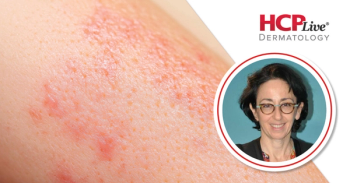
A study revealed adults with childhood onset atopic dermatitis may see greater limitations in career and educational options.
The FDA declined to approve Cingulate's once-daily ADHD therapy CTx-1301, citing CMC information requests with no clinical safety or efficacy concerns identified.
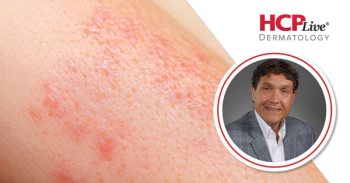
Jonathan Bernstein, MD, discusses remibrutinib, c-kit inhibitors, and the current limits of biomarker-guided decision-making in chronic spontaneous urticaria.
Jamie Wood, MD, discusses the impact of Afrezza’s recent FDA approval for pediatric patients with type 1 and type 2 diabetes.
The latest ABCs of Dermatology explored the future potential of amlitelimab in atopic dermatitis and the potential of OX40 ligand-targeted therapy.

A clinician explains how sparsentan is changing treatment strategies for patients with FSGS.
Marcus Shaker, MD, discusses early allergen introduction, food allergy prevention, and the role of routine testing at EAC 2026.

Chung, MD, explains why sparsentan remains valuable in FSGS despite a negative eGFR endpoint.

A clinical forum discussed referral dynamics, access barriers, and patient health literacy challenges that shape biologic use in the real world.
Bernstein discussed treatment sequencing, biomarker use, and evolving chronic spontaneous urticaria management strategies during an interview at EAC 2026.
This interview highlights key facts regarding HS in honor of Hidradenitis Suppurativa (HS) Awareness Week, featuring Kiera Booth, MD.

FDA accepted a priority review sNDA for mavacamten in adolescents with symptomatic obstructive hypertrophic cardiomyopathy.
FDA accepts the BLA for povetacicept in IgA nephropathy, supported by positive phase 3 RAINIER trial data.
This segment of the Skin of Color Savvy podcast highlights how dermatologists can improve sunscreen adherence among individuals with skin of color.

Stay updated with the latest healthcare breakthroughs, including FDA approvals and phase 3 data.

Diabetes Dialogue cohosts Diana Isaacs, PharmD, and Natalie Bellini, DNP, cover topline data from the TRIUMPH-1 trial of retatrutide for obesity management.

Bernstein discussed the evolving role of biomarkers in chronic spontaneous urticaria at EAC 2026.
This interview highlights topline findings from Part B of the phase 2 APEX trial highlight the efficacy of zumilokibart (APG777) in adults with atopic dermatitis.

In this Q&A, Tatiana V. Kudryashova, PhD, discusses new data presented at ATS 2026 that show silencing E2F2 suppresses hyperproliferation in PAH smooth muscle cells.

Pooled B-Well phase 3 data show bepirovirsen achieved a 19% functional cure rate in CHB vs 0% with standard of care alone.
The FDA has approved fast-acting inhaled insulin Afrezza for pediatric patients aged 6-18 years with T1D or T2D.
This episode covers the FDA’s recent approval of MannKind’s inhaled insulin Afrezza for patients aged 6-18 years with either T1D or T2D.
Diabetes Dialogue cohosts Diana Isaacs, PharmD, and Natalie Bellini, DNP, cover the recent approval of the Libre Duo and Libre Duo 10 Day monitors.
This segment of the May episode of The Medical Sisterhood highlights the importance of addressing patients' and parents' fears in dermatology.
Amlitelimab was discussed in the ABCs in Dermatology podcast, with the hosts highlighting atopic dermatitis patient demographics and high disease burden.

Heather Johnson, MD, discusses progress in providing more individualized care to female cardiovascular patients, as well as what remains to be done.

Igor Barjaktarevic, MD, discussed findings at ATS 2026, where the recombinant therapy outperformed weekly plasma-derived augmentation on key pharmacokinetic endpoints.