
Clinicians at ATS 2026 will see late-breaking COPD, asthma, and pulmonary hypertension data alongside exclusive interviews with leading experts in respiratory medicine.
Clinicians at ATS 2026 will see late-breaking COPD, asthma, and pulmonary hypertension data alongside exclusive interviews with leading experts in respiratory medicine.

Juanita Mora, MD, discusses The American Lung Association's 2026 report, elucidating a disproportionate burden on people of color.

Patient education may be the missing piece needed to bridge the gap between hypertension treatments and improved outcomes.
Early data suggest varenicline may improve abdominal pain, bloating, and bowel symptoms in patients with IBS.

In 38 patients with house dust mite allergy, 18 months of SLIT was linked to early expansion and later reduction of allergen-specific type 2 memory B cells.

Colombel discusses long-term LUCENT extension data showing durable clinical, endoscopic, and histologic outcomes with mirikizumab in moderately to severely active UC.

Dellon explains phase 4 REMODEL trial data showing dupilumab’s impact on esophageal distensibility and the underlying remodeling process in eosinophilic esophagitis.
ICI colitis linked to high rehospitalization, ICU use, and mortality even after therapy discontinuation.

Perez discusses the next steps before a marker like monocyte epigenetic age acceleration could be considered clinically actionable for precision psychiatry in depression.
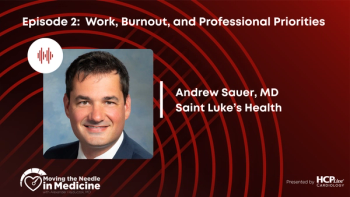
Hear Andrew Sauer, MD, discuss how he broke through mental health challenges to become one of the leading voices in transplant cardiology.
Despite a growing armamentarium of approved IBD therapies, outcomes remain suboptimal. Rubin explains how earlier treatment and smarter optimization can close the gap.

In this interview, Chovatiya highlights several key takeaways regarding the latest definitions highlighted by the International Eczema Council.
Interview with Perez on how monocyte-derived epigenetic clocks outperform multi-tissue models in detecting symptom-specific depression signals.
Laurent Peyrin-Biroulet, MD, PhD, breaks down FUZION data demonstrating meaningful fistula healing with guselkumab in Crohn’s disease patients with perianal disease.
Routine depression and anxiety screening in IBD clinics was tied to significantly more referrals and sustained follow-up with psychogastroenterology services
The severe asthma treatment landscape has entered a period of rapid evolution — with patient access and adherence increasingly driving clinical decisions.

The new recommendations outline glucocorticoid tapering strategies for adults and children with classic CAH after starting crinecerfont.

Noreen Galaria, MD, highlighted the evolving role of internal photoprotection alongside practical, habit-based strategies to support physician wellness and reduce burnout.
This segment of the latest episode of the Skin of Color Savvy podcast highlights key challenges faced by Galaria in her dermatology practice.

Blaha discusses his study analyzing nonstatin prescriptions from 2019-2024, highlighting the need for further clinical implementation of modern guidelines.
1-year results from ASPIRE-CD suggest risankizumab (Skyrizi) improves HRQL, well-being, and treatment satisfaction in adults with Crohn's Disease.
Black Americans bear a disproportionate burden of asthma mortality, and clinicians and policymakers must address a number of factors to make meaningful progress.
In this interview, Perez discusses data linking monocyte epigenetic age acceleration to non-somatic depressive symptoms.

COBRA findings suggest 1 day of antibiotic treatment is preferred in acute cholangitis after adequate biliary drainage compared to longer guidelines.
Edward Barnes, MD, MPH, explains mirikizumab’s strong remission and durable response in Crohn’s disease patients after anti-TNF failure, supporting second-line use.
Maria Abreu, MD, breaks down efficacy and safety data for dual-target co-antibody JNJ-4804, offering a potential new option for heavily pretreated UC patients.
Catch up on key clinician insights, major FDA decisions, groundbreaking trial results, and more.

The phase 3 FUZION trial found guselkumab achieved increased fistula remission rates than placebo in perianal fistulizing Crohn's disease.

Updated results from the NordICC trial build upon previous 10 year findings and shed further light on once-only colonoscopy as a primary screening modality.