
Schatz highlights the current limitations to a broader integration of T1D screening and suggests methods to circumvent these blockages.
Schatz highlights the current limitations to a broader integration of T1D screening and suggests methods to circumvent these blockages.

Pugazhendhi Vijayaraman, MD, discusses his recent presentation of the final results of LEADR LBBAP, simplifying the lead placement problems faced by earlier models.
Kowdley explains phase 2b VISTAS data suggesting volixibat rapidly reduced PSC-associated pruritus in adults with limited treatment options.

Lucas Boersma, MD, PhD, discusses the 1-year results of the Enlighten study, highlighting effective defibrillation, low rate of complications, and high ATP success.

Lee discusess DDW 2026 data linking binge drinking frequency to advanced hepatic fibrosis in SLD.

Citrome discussed the limitations of indirect comparisons and the need for head-to-head trials evaluating adjunctive atypical antipsychotics for MDD, including lumateperone.
Susztak, MD, PhD, offers insight into a new score that predicts which APOL1 carriers will actually develop kidney disease.
This segment of a recent Skin of Color Savvy podcast highlights the experts' views on education related to colorism and skin pigment-related concerns.

Catch up on 5 notable studies and trial updates from DDW 2026!
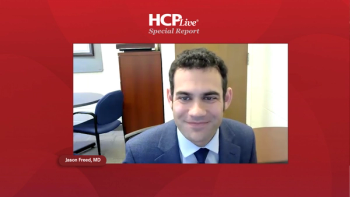
Freed explains why iron deficiency anemia is being missed at an alarming rate in clinical practice and what the ASH draft guidelines propose to correct this systemic failure.

Mehdi Shishehbor, DO, PhD, discusses the 6-month results from his recent study, confirming the efficacy of the LimFlow System in patients with CLTI.

Gupta discusses clinical responsibility in response to the ALA's State of the Air 2026 report.
A study suggested lumateperone demonstrated favorable efficacy outcomes and limited weight gain and akathisia risk compared with other adjunctive antipsychotics for MDD.
Seemal R. Desai, MD, and Pearl E. Grimes, MD, discuss the complexities of colorism and its impact on pigmentary disorders.

Sameh Sayfo, MD, discusses his recent analysis of the DETOUR2 study, highlighting the efficacy of the DETOUR system for patients regardless of runoff.

Experts weigh in on a rapidly evolving treatment landscape, from a first-line oral option to a one-time CRISPR therapy showing 87% attack reduction.

Bilchick discusses his recent study, highlighting a reduced risk of atrial fibrillation in patients taking prescription GLP-1 RAs irrespective of weight loss.

Saseen discusses the current dyslipidemia treatment landscape, highlighting current challenges and potential paths forward.
This episode covers recent advancements in treating type 1 diabetes, including the Tandem AID system for pregnant women and teplizumab for adolescents.

Chedid, MD, MS, explains the evolving therapeutic IBD landscape, including new data from DDW 2026.
Chedid describes the future of personalizing IBD care based on patient characteristics.

Ahmad Masri, MD, from OHSU, discusses the positive topline results from this phase 3 trial, highlighting a new path forward for nHCM.
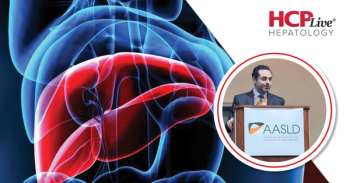
Noureddin discusses HU6’s mitochondrial uncoupling mechanism and why muscle preservation may become increasingly important in MASH care.

Juanita Mora, MD, discusses The American Lung Association's 2026 report, elucidating a disproportionate burden on people of color.
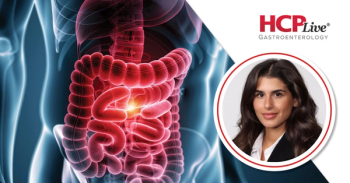
Early data suggest varenicline may improve abdominal pain, bloating, and bowel symptoms in patients with IBS.

Colombel discusses long-term LUCENT extension data showing durable clinical, endoscopic, and histologic outcomes with mirikizumab in moderately to severely active UC.

Dellon explains phase 4 REMODEL trial data showing dupilumab’s impact on esophageal distensibility and the underlying remodeling process in eosinophilic esophagitis.
ICI colitis linked to high rehospitalization, ICU use, and mortality even after therapy discontinuation.

Hear Andrew Sauer, MD, discuss how he broke through mental health challenges to become one of the leading voices in transplant cardiology.
In this interview, Chovatiya highlights several key takeaways regarding the latest definitions highlighted by the International Eczema Council.