




Endocrinology
Latest News
Advertisement
Latest Videos




Podcasts







CME Content




















































Advertisement
More News

In this episode, hosts discuss optimizing insulin therapy for people with diabetes using AI-driven algorithms with Eran Atlas, CEO of DreaMed Diabetes.
Our Endocrinology Month in Review for December 2024 highlights recent headlines in diabetes and endocrinology and 4 new episodes of Diabetes Dialogue.
A systematic review and meta-analysis of observational real-world data finds nearly half of patients who begin a GLP-1 RA will discontinue within a year.
In this episode, hosts discuss a slight dip in US obesity rates, the use of inhaled insulin, and the benefit of mifepristone for HbA1c reduction.
A list recapping our most popular endocrinology coverage from the past year.
From groundbreaking therapies to ethical dilemmas, HCPLive’s top podcasts of 2024 delivered expert insights and human stories across medicine.

The FDA's approval marks the second generic approval referencing a GLP-1 receptor agonist in as many months for the agency.

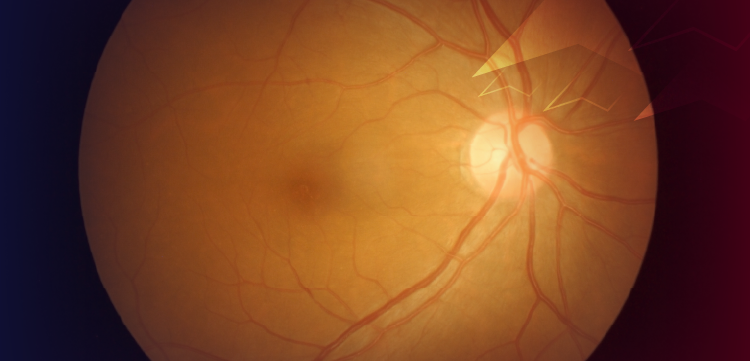
Glycemic control continues to be a major risk factor for diabetic retinopathy, while overweight, obesity, and hypertension are growing in prevalence.
In this episode, hosts discuss the efficacy of MariTide for obesity, a head-to-head comparison of semaglutide vs. tirzepatide, and concerns about GLP-1 agonist compounding.

Yehuda Handelsman, MD reflects on the WCIRDC 2024’s comprehensive approach to advancing cardiometabolic care through multidisciplinary collaboration.
Yehuda Handelsman, MD highlights insulin resistance’s role in cardiometabolic disease and introduces DCRM 2.0 as a global, multi-specialty care framework.

Laurence Sperling, MD described the evolving role of cardiologists in obesity care, particularly with the increasing adoption of therapies such as GLP-1 agonists.

Schafer Boeder, MD describes the potential role and safety of adjunctive therapy, including SGLT2 inhibitors and GLP-1 agonists, for patients with T1D.
In this episode, hosts reflect on the advancement in CGM that reshaped care for diabetes and overall health during 2024.

Real-world data from 18,710 MASH patients highlight the impact of comorbidities, biomarkers, and region on mortality, with 70% of deaths CVD-related.

Observational data point to aldosterone dysregulation as an underrecognized risk factor for hypertension and confirm T2D as a known risk factor.

Alice Cheng, MD, discusses the impact of diabetes on cognitive function and the emerging role of diabetic drug classes in dementia care.

Matthew J. Budoff, MD discusses the effects of obesity and cardiometabolic complications in the contemporary management of type 1 diabetes.
Crinecerfont is indicated to be used with glucocorticoids to control androgen levels in adults and pediatric patients with classic congenital adrenal hyperplasia.

Jennifer B. Green, MD highlights the successful implementation of evidence-based therapies for high-risk patients with type 2 diabetes.

Ralph A. DeFronzo, MD discusses the Noxious Nine and the impact of hypercortisolism on difficult-to-control type 2 diabetes.
Patients with hypercortisolism and difficult-to-control type 2 diabetes who received mifepristone exhibited a significant HbA1c improvement in the Phase 4 trial.

To celebrate surpassing 100 episodes, Diabetes Dialogue sits down with Irl Hirsch, MD, to discuss the 25-year anniversary of continuous glucose monitoring in 2024.
A look into how SGLT2 inhibitors, GLP-1 RAs, and nsMRAs have redefined the management of cardio-kidney-metabolic diseases.
In this episode, hosts discuss the collaboration between Dexcom and Oura Ring, expanded compatibility of Omnipod 5 with Freestyle Libre 2, and Simplera CGM integration with the InPen.
Advertisement
Advertisement
Trending on HCPLive
1
ADA 2026 Recap: 5 Key Presentations to Know
2
Key Off-Label Treatment Options in Dermatology, With Matthew Zirwas, MD
3
How Can Oils, Acupressure, and Supplements Improve Skin Conditions?
4
Communication, Multidisciplinary Collaboration, and Future Outlook in Hypoparathyroidism
5