
New late-breaking phase 3 data suggest zasocitinib may help reshape the oral treatment landscape for moderate-to-severe plaque psoriasis.
New late-breaking phase 3 data suggest zasocitinib may help reshape the oral treatment landscape for moderate-to-severe plaque psoriasis.

Fearon discusses results from the ALL-RISE trial, which demonstrated the FFRangio’s efficacy in assessing lesions for patients with coronary artery disease.
In this segment of his interview, Eichenfield highlights the safety and tolerability of roflumilast cream for children with atopic dermatitis in INTEGUMENT-OLE.

Hypertension drives millions of preventable deaths, yet control lags globally. The HEARTS framework offers practical, scalable solutions to close this gap.

CAR-T therapy shows potential for deep, durable remission in lupus nephritis, but questions remain on safety, durability, and patient selection.

Sarma discusses the ongoing movement to highlight the different cardiovascular risks facing women, particularly during the most turbulent periods of life.

Rosmarin discussed new late-breaking data from ADVANCE-AA at AAD 2026.

Soung discussed how new 52-week data support icotrokinra's recent FDA approval, marketed as Icotyde.

REMODEL offers new mechanistic insights into semaglutide, highlighting microvascular and endothelial effects that help explain its kidney and cardiovascular benefits.
KDIGO updates in IgA nephropathy highlight lower proteinuria targets, improved risk tools, and an expanding landscape of targeted and combination therapies.

This interview at AAD 2026 highlights Nguyen's views on the biggest drivers of patient dissatisfaction in dermatology practice settings.
This interview at AAD 2026 highlights tips for clinicians in dermatology practices who want to improve patient communication and satisfaction.

Corey Cavanaugh, DO, and Abdallah Geara, MD, separately share their perspectives on the clinical clues for IgAN diagnosis, including hypertension and microscopic hematuria.

Deep learning applied to routine ECGs identified COPD up to 15 months earlier, supporting earlier intervention and risk stratification strategies.


Study shows microglia-driven hippocampal remodeling may connect chronic pain to depression, highlighting the importance of timing for behavioral interventions.

Janiene Luke, MD, co-chair of the Skin of Color Society (SOCS) Scientific Symposium, speaks about complex cases in dermatology and other topics covered at the meeting.

Temitayo Ogunleye, MD, co-chair of the Skin of Color Society Scientific Symposium, speaks with HCPLive about the meeting's guiding theme and topics.

Nuckols discusses her recent study highlighting a correlation between pregnancy complications, increased psychosocial stress, and cardiovascular disease risk.

Population study links respiratory allergies to hoarseness, throat clearing, and vocal fatigue, with greater symptom burden in women and unified airway implications.

Kramer, the president of the American College of Cardiology, discusses the organization’s recent movement to adapt rapidly growing AI technology to clinical care.
Fahed explains how a multi-ancestry metabolic poly genetic risk score from over 8.5 million individuals points to the utility of global collaboration in genetic research.

New research identifies dietary epitopes driving oral tolerance, offering insight into Treg responses, early exposure, and future food allergy therapies.

Bhatt shares his thoughts on the recently released dyslipidemia guidelines, highlighting the return of goal-based LDL-C therapy and Lp(a) receiving a COR 1 suggestion.

Su emphasized how care should be shifted to reflect known impacts of NNAALs on obstetric care.
Gerlud explains why exocrine pancreatic insufficiency is often missed, even in high-risk patients.
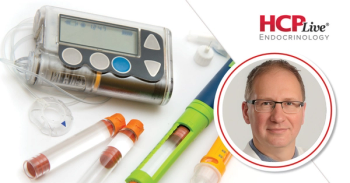
Witkowski discusses the data presented at ATTD 2026, highlighting the investigative anti-CD40L monoclonal antibody in facilitating insulin independence.

Angkeow discusses a recent study finding that PhIP-Seq analysis links diverse IgG responses to food allergy phenotypes.
Su discussed the role of delabeling non-narcotic analgesic allergy labels in obstetrics care.

Martinez discusses unmet needs in pruritus management and maralixibat’s potential to expand treatment of itch across rare cholestatic liver diseases.