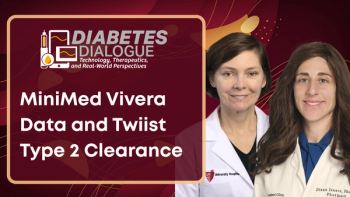
Diana Isaacs, PharmD, and Natalie Bellini, DNP, review early MiniMed Vivera data on optional meal announcements and twiist's new type 2 diabetes clearance.
Physicians on the front lines of care should be empowered to consider alternative treatment options for patients in significant need.
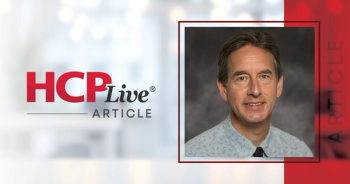
Todd Hutton, MD
As it often presents with nonspecific symptoms, depression is a very serious condition that can, sadly, become all too easy to overlook. However, major depression is a real health issue in our country that
Unfortunately, sufferers aren’t always proactive about seeking the help they might need, even those with access to the best of care. This is partly because of the stigma associated with mental health, and partly because people with depression lose hope that they can be better.
As we embark upon the notoriously gloomy winter months, it’s more important than ever for health practitioners across the board, not just psychiatrists, to be on the lookout for signs and symptoms of depression in their patients, and to be prepared to provide support as soon as possible. This means remaining open to exploring the wide variety of available, safe and effective treatment options for sufferers, like transcranial magnetic stimulation (TMS).
I’ve seen firsthand the effect that mental illnesses like depression can have on individuals as well as their families and loved ones, and far too often I’m confronted with patients who have been suffering for far too long without relief. While psychiatry is my specialty, I value the collaborative role of physicians and know that it is when we work together to align on the best course of action that we see the best success with our patients, and this is particularly true in the case of patients suffering from depression. My work has led to wonderful relationships with professionals across specialties and it is this type of synergy and shared expertise that most often results in happier, healthier patients, whose well-being have been placed front and center.Typically, doctors prescribe talk therapy, antidepressants, or a mix of both for depressed patients. These treatments work for many people, but unfortunately, not all. In fact, in any
NeuroStar was the first TMS device to receive US Food and Drug Administration (FDA) clearance in 2008.
Despite these promising statistics and results, a common misconception is that TMS treatments are last-resort options when all else fails—but this isn’t the case. The American Psychiatric Association
It’s a great option, and one my patients prefer, as it’s
My practice is now solely focused on TMS therapy because I have seen its impact. My first patient was a nurse who failed to respond to dozens of medications, but had full remission with TMS. Since then, I have seen many patients seeking out TMS therapy who are partial medication responders.
These patients are better on their medications in that they may be no longer suicidal and can function, but they are hardly satisfied with their quality of life. Their doctors had given up on trying to get them to full remission. These patients would seek out TMS on their own, and many were able to reach the remission that they were seeking. As we learn more about TMS, our techniques and response rates have improved. In my practice now, we see 56% of our patients get to remission (as per depression scale scoring) and 72% achieve response (as per 50% reduction on a depression scale).
As doctors, we have an incredible opportunity to heal those who are not well and transform lives. With that role also comes the responsibility to advocate for our patients, especially when they aren’t in a position to advocate for themselves. Sometimes this means adjusting our viewpoints on viable treatment options and thinking outside of the box to consider new or alternative methods that will set them on the path to recovery.
As professionals, let’s continue our work to break the stigma of depression, and open our minds to treatment options that will help us give our patients the fighting chance we know they deserve.
Todd Hutton, MD, is the medical director at Southern California TMS Center, a board-certified Psychiatrist, and a Fellow of the American Psychiatric Association. He is an Associate Clinical Professor of Psychiatry at the USC Keck School of Medicine where he teaches residents in Psychiatry, and is on staff at Huntington Memorial Hospital in Pasadena, CA.
The piece reflects his views, not necessarily those of the publication.
Healthcare professionals and researchers interested in responding to this piece or contributing to MD Magazine® can reach the editorial staff