




Hospital Medicine
Latest News

Advertisement
Video Series








Latest Videos









Shorts


Podcasts

CME Content






































Advertisement
More News

Our top 5 headlines spotlight FDA approvals for maralixibat and dupilumab, plus key trial results in diabetes, cardiovascular disease, and retinal vein occlusion.

In children with septic shock, norepinephrine as the first vasoactive agent was linked to lower 30-day mortality than epinephrine, with no renal outcome difference.
Our top 5 headlines spotlight developments in AI-driven care, diabetes tech, and dermatology, alongside key FDA actions in ophthalmology and nephrology.

The study evaluated more than 450 patient visits and concluded AI decision support could improve adherence to guideline-adherent care recommendations.

Results suggest that post-operation intravenous iron therapy could both prevent anemia and offset logistical issues of identifying iron deficiency.

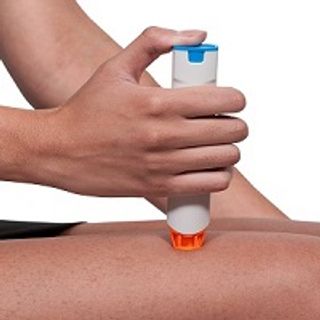
Our top 5 headlines included a new approval for atopic dermatitis, expert consensus on anaphylaxis care, and the end of the semaglutide shortage.

Use of medications for secondary CVD prevention is low globally, and in most country income-level groups, with no indication of improvement.

Emblaveo combines aztreonam, a monobactam antibiotic, and avibactam, a β-lactamase inhibitor.

Lipid screening after bulk orders and outreach letters increased significantly at 3 months, but supplemental text messaging had no further impact.

In a recent study, participants reported worse patient care experience and staff responsiveness following the private equity acquisition of hospitals.
Perspective from neurologists on the current and future applications for artificial intelligence across a bevy of neurologic conditions.

A Q&A with a pediatric gastroenterologist on new data detailing trends in water bead injuries in the US from 2013 through 2023.
A 10-year study reveals a surge in water bead injuries in young children, with an increase in cases requiring surgical intervention for bowel obstructions.

Neither clinician peer comparison nor patient informational mail reduced benzodiazepine use among older adults in anesthesia care, a new study finds.

A study revealed using language models as diagnostic aids did not significantly enhance clinical reasoning or accuracy among physicians over conventional resources alone.
Advertisement
Advertisement
Trending on HCPLive
1
Q&A: Mucus Plugging, Multimorbidity, and GOLD 2027, With Gerard Criner, MD
2
IL-33 Biologics and the 2027 GOLD Report, With Dave Singh, MD
3
Enlicitide Lowers LDL-C Consistently Across PREVENT CVD Risk Categories
4
Omalizumab Biosimilar CT-P39: Quality of Life Gains Precede CSU Control
5