



Stroke
Latest News
Advertisement
Latest Videos
Shorts
1:00
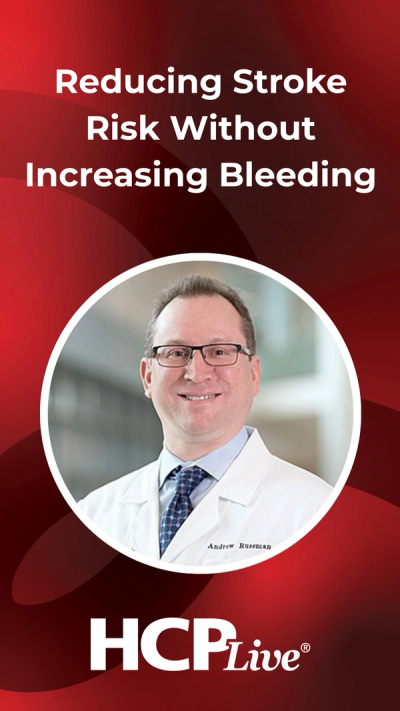
Reducing Stroke Risk Without Increasing Bleeding
8 months ago
by
Andrew Russman, DO
Podcasts

CME Content






















































Advertisement
More News

A new study has indicated the correlation between EHT and atrial myopathy, which in turn contributes to potential ischemic stroke incidence.

Both apixaban and rivaroxaban resulted in improved risk of stroke, systemic embolism, major bleeding, and cardiovascular death compared to no anticoagulation.
Get ahead of the curve with the top 6 trials to watch ahead of ESC 2026.

In a trial comparing tirzepatide initiation with sitagliptin, the GLP-1/glucose dual agonist displayed greater reductions in major cardiovascular events.

All cardiovascular disease risks decreased proportionately across all quintiles of diet consistency, according to recent data.

The Voluntary Sodium Reduction Goals, issued in October 2021, resulted in no significant reduction in sodium content among packaged foods.
Catch up on key FDA approvals, major trial updates, and critical clinician insights from the last 6 months.
May 2026 saw substantial FDA decisions, major trial results, guideline updates, and more.
FDA granted priority review to asundexian for secondary prevention after non-cardioembolic ischemic stroke or TIA.
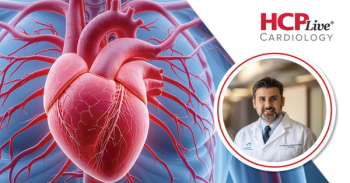
Shoamanesh discusses the positive data from OCEANIC-STROKE, a phase 3 trial comparing the investigative FXIa inhibitor to placebo in patients with prior ischemic stroke.
Catch up on major trial results, groundbreaking guideline updates, and more.
HI-PEITHO concluded use of ultrasound-facilitated catheter-directed fibrinolysis improves pulmonary embolism outcomes.
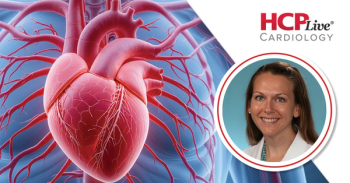
Maddox discusses the AHA’s recent statement indicating that, should current trends continue, 6 in 10 US women will have cardiovascular disease by 2050.
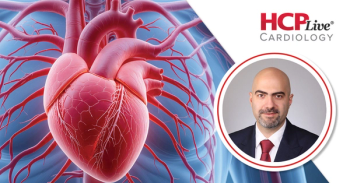
Anadani discusses a recent study highlighting the myriad contributing factors in the steadily increasing risk of maternal stroke across the country.
Russman highlights asundexian’s efficacy in patients following a non-cardioembolic ischemic stroke or high-risk transient ischemic attack.
Catch up with major FDA decisions, key guidelines updates, and more.
Kianersi discusses how, although evening chronotype can be associated indirectly with increased CVD risk, this can be mediated via Life’s Essential 8 scores.
Palaniappan explains what steps to take in managing cardiovascular disease risk among a population that does not adhere to the Life’s Essential 8 guidelines.
Catch up with major FDA decisions, critical conference news, and more.
Yan discusses the reversion of 50-year trends in mortality and the steps needed to reduce these rates back to pre-pandemic levels.
Bayer’s investigational FXIa inhibitor has proven its superiority to placebo in reducing ischemic stroke risk without increasing major bleeding rate.
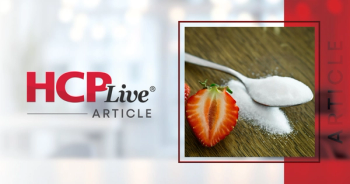
Risks of myocardial infarction, stroke, heart failure, and other debilitating cardiovascular diseases may be directly influenced by adolescent sugar intake.
Read about groundbreaking FDA decisions, exciting new heart failure research, and more.

Recent research refutes the conception that most, if not all, coronary heart disease occurs without typical CVD risk factors.

Despite prior trials indicating the possibility, the AUSPICE study failed to display any difference in risk between patients receiving the vaccine versus placebo.
Advertisement
Advertisement
Trending on HCPLive
1
From Injectable to Oral: Optimal Durable Clearance Across the IL-23 Class
2
Advances in Treating High-Impact Psoriasis from EADV 2026
3
Ritlecitinib Stabilizes Vitiligo in Tranquillo Trial, With Iltefat Hamzavi, MD
4
FDA Updates Sotatercept Label, ERS Releases PAH Guidelines Based on HYPERION Data
5