





























































New research from the Mayo Clinic is outlining the successes and pitfalls of efforts to improve statin adherence in a comparison of data from the OptumLab Data Warehouse from 2007-2016.
New research from the Mayo Clinic is outlining the successes and pitfalls of efforts to improve statin adherence in a comparison of data from the OptumLab Data Warehouse from 2007-2016.
Results of the RIVER trial suggest rivaroxaban was noninferior to warfarin for the study's composite endpoint of all-cause mortality, major cardiovascular events, and major bleeding.

Results of the STRENGTH trial indicate treatment with 4 grams of omega-3 CA (Epanova) daily did not reduce risk of major adverse cardiovascular events and increased risk for atrial fibrillation and adverse events.

Older patients benefit greater from LDL-cholesterol lowering medications.
An analysis of patients presenting to more than a dozen stroke centers in England and Scotland gives physicians an updated look at trends and outcomes of stroke patients with COVID-19 compared to their counterparts without the disease.

The therapy was previously approved to reduce the risk of cardiovascular death, MI, and stroke in patients with ACS or previous MI.

Learn more about the latest indication for ticagrelor from the FDA and check out an exclusive interview from S. Claiborne Johnston, MD, PhD, on results of the pivotal THALES trial.

An analysis of data from 3 major studies details associations between diets characterized by intake of pro versus anti-inflammatory foods with incidence of cardiovascular disease.

Results from an analysis of patients presenting at 3 NYC-based centers suggests CTA scans combined with clinical questionnaire data yielded an 83% accuracy rate for diagnosing COVID-19 in stroke patients.

An analysis of the Dallas Heart Study from UTSW details how use of CAC scoring can help determine what patients would stand to benefit from aspirin use for primary prevention.

Results of an analysis of data from the SWEDEHEART and SOReg registries describe reductions in MACE and other health markers associated with metabolic surgery in severely obese patients with a history of myocardial infarction.

Results of the SCOPE II trial from TCT Connect offer insight into the head-to-head comparison of ACURATE neo valve versus the CoreValve Evolut R System.
A Brigham and Women's-led study details trends in incidence, characteristics, and outcomes of surgical explantation following TAVR among patients in the US.

Results of a recent analysis that found ablation was associated with lower risk of dementia compared to medical therapy alone suggest rhythm control could help preserve overall health.

The Thermocool Smarttouch SF Catheter received approval for use with the CARTO® 3 System, according to a statement from the Johnson & Johnson Medical Companies.
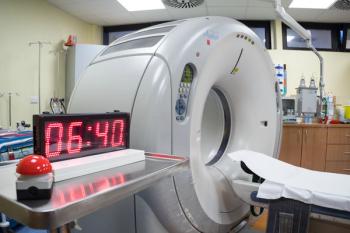
Could an alarm clock in the room where stroke care is performed contribute to more streamlined care?

Data from more than 4500 diabetics suggest CAC was better at predicting CVD and all-cause mortality in women than in men.

A study from ESC Congress 2020 details the effects of initiating rhythm control within the first year of an atrial fibrillation diagnosis.

Lead investigator of IMPACT-AFib discusses the results of the study and how they inform clinicians on strategies to improve oral anticoagulant use.

Results of HOME-PE suggest an approach using HESTIA was noninferior to sPESI for patients with acute pulmonary embolism.

A pair of studies provides an overview of declines in use of cardiology services and patients presenting with adverse cardiovascular events during the pandemic.

Quitting smoking at the time of an Afib diagnosis could reduce risk of incident stroke event by 28%, according to a new analysis from ESC 2020.

Across racial and gender groups, CT scans that measure coronary artery calcium can more accurately predict the 10-year risk for heart attack.

Our latest case report from Dr. Brady Pregerson features a 72 y/o male with a history of hypertension and TIA. Check out the EKG and see if you can determine the diagnosis.

A meta-analysis of 4 randomized trials is shedding light on the efficacy and safety of direct oral anticoagulant use for reducing recurrent VTE in patients with cancer.