
























































The American Heart Association and American Stroke Association have released an updated version of their guidelines for prevention of secondary stroke in patients with stroke or TIA, which had not been updated since 2014.
The American Heart Association and American Stroke Association have released an updated version of their guidelines for prevention of secondary stroke in patients with stroke or TIA, which had not been updated since 2014.

Results of the LAAOS III trial provide evidence suggesting left atrial appendage occlusion could reduce risk of ischemic events by nearly a third and also reduce risk of stroke by more than 40% in patients with atrial fibrillation.
The first episode of the Heart Trials podcast series focuses on new ACC 2021 research into aspirin dosages for reduced cardiovascular event risk.
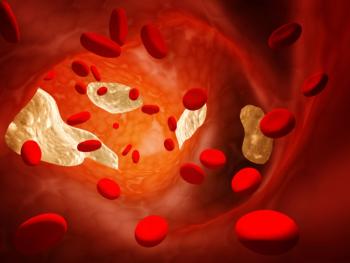
An analysis of nearly 2 million patients suggests an increased BMI around the age of 18 was linked to a graded increase in the risk of ischemic stroke in midlife, regardless of diabetes status.
The American Heart Association and American Stroke Association have released a special report related to the treatment of blood clots or low platelet counts related to the COVID-19 vaccine, which has garnered mass amounts of attention despite being a rare complication.

Dr. Gregory Weiss, a cardiovascular anesthesiologist, breaks down and provides real-world perspective on the application of a recent scientific statement from the AHA and ASA on perioperative management to lower stroke risk in patients undergoing noncardiac and nonneurological procedures.

An analysis of claims data by investigators at University of Pennsylvania indicates DOACs were associated with a 36% lower risk of stroke or systemic embolism and was also associated with a reduction in risk of major bleeding.
Check out this interview with Louise McCullough, MD, PhD, Program Chair of ISC 21, where she offers perspective on mobile stroke units and what barriers prevent further implementation of the specialized ambulatory units.

Just ahead of the International Stroke Conference, the AHA released a scientific statement focusing on brain health and aimed at providing primary care providers an overview of factors influencing neurologic health.

Using data from the AHA's COVID-19 Cardiovascular Disease Registry, a new analysis presented at ISC 21 provides an overview of the overall risk, risk factors, and outcomes of COVID-19-related ischemic stroke among US patients.
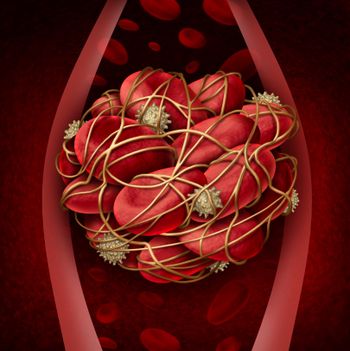
A pair of studies from ISC 21 is providing insight into the benefits of mobile stroke units while also highlighting current barriers to widespread implementation of these units.

An interim analysis of the ANGIOCAT trial suggests immediate angiography could help preserve function and improve outcomes in the treatment of patients with stroke caused by a large vessel occlusion compared to the current standard of performing a CT scan.

A study from ISC 21 suggests Black patients using Medicare were 4% more likely to die in the first 10 years after a stroke than their white counterparts.

An analysis of the REDUCE-IT trial suggests patients on statins who were also receiving icosapent ethyl reduced their risk of an ischemic stroke by an additional 36%.

An analysis of data from the Amsterdam Cohort of Gender Dysphoria study is shedding light on the risk of erythrocytosis seen in transgender men receiving testosterone therapy.
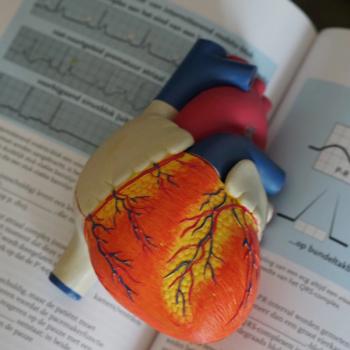
A longtime clinician writes on the signs and risks of fatal heart attack events, including the Widowmaker.
An analysis of data from more than 16k Hispanic/Latino individuals indicates the prevalence of cardiovascular risk factors among those with a history of stroke/TIA was greater than previously thought and many are unaware of these risk factors.

Data from the Healthcare Cost and Utilization Project detail the apparent increase in risk of stroke faced by American Indian individuals, regardless of whether or not they had atrial fibrillation.

Data from the PURE study suggests an increased intake of poor quality carbohydrates was linked to an increased risk of major cardiovascular events and death in patients from 20 different countries.

A web-based model developed by a team at Thomas Jefferson University appeared to accurately predict risk of stroke and adverse cardiovascular events following non-cardiac surgery.

An intervention trial from Germany suggests specialized mobile stroke units could help improve rates of disability and death following a stroke.

Researchers believe identifying more risk factors could be beneficial in reducing cardiovascular disease.

In recognition of National Wear Red Day, we invited Jennifer Majersik, MD, to a special edition episode of the Practical Cardiology podcast focused on sex-based disparities in stroke care.

More than 20% of TIA patients suffered a stroke within 7 days following the baseline attack.
An analysis of more than 14k patients from the Framingham Heart Study provides clinicians with an overview of trends in stroke risk among patients with and without a history of TIA dating back to the 1950s.