
New research suggests use of reduced-dose CT scans could be as effective and reduce the need for re-imaging.
New research suggests use of reduced-dose CT scans could be as effective and reduce the need for re-imaging.

A deep-learning algorithm could help clinicians identify patients at increased risk of death from cardiovascular disease within the next 5 years based on the presence of vascular calcification.

About 20% of 81 positive patients experienced critical neurological complications; further, half had a pre-existing history of high blood pressure or type 2 diabetes.
A recent study has found use of contrasting agents in cardiac MRIs carries a low risk for allergic reactions, vomiting, and other adverse events.

Across racial and gender groups, CT scans that measure coronary artery calcium can more accurately predict the 10-year risk for heart attack.

An artificial intelligence tool trained to pinpoint patients with broken bones who are also at risk for osteoporosis outperforms radiologists who manually read the reports, a new study has found.

In new research published in the New England Journal of Medicine, investigators led by William Tamborlane, M.D., a Yale University pediatric endocrinologist, reported the efficacy of the GLP1 agonist liraglutide for children with type 2 diabetes. In this Q&A, Dr. Tamborlane discusses the importance of expanding treatment options.
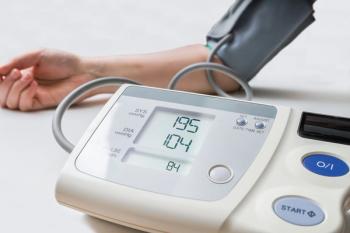
The rates for hypertension diagnosis, treatment and control are still falling short of goals despite awareness programs, researchers report.
Stimulating the sphenopalatine ganglion-a collection of nerve cells closely associated with the trigeminal nerve most responsible for headaches-could be a safe intervention for patients with acute ischemic stroke who aren’t eligible for thrombolytic therapy, researchers report in The Lancet.

Awareness of the prevalence of hypertension has increased substantially over the past 40 years in high-income countries, as has treatment and control of the condition. But, the level of control falls short of rates seen in dedicated hypertension programs, and it’s stagnating, according to research published last month in The Lancet.
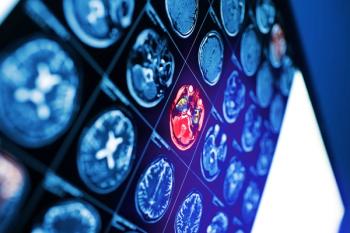
Stimulating the sphenopalatine ganglion-a collection of nerve cells closely associated with the trigeminal nerve most responsible for headaches-could be a safe intervention for patients with acute ischemic stroke who aren’t eligible for thrombolytic therapy, according to an article published in The Lancet last month.

Fewer heart disease-related deaths occur in counties where Medicaid was expanded under the Affordable Care Act, according to a provocative new study.

August 23rd 2020
October 31st 2020

August 14th 2019


