





Hospital Medicine
Latest News
Advertisement
Latest Videos








Podcasts




CME Content




























































Advertisement
More News

With incidence climbing amid climate change, an emergency medicine doctor has advice on prevention of cardiovascular and dermatologic effects.

A post hoc analysis from FIDELITY shows finerenone could significantly reduce eGFR slopes among patients at risk of worsening CKD due to a heart failure hospitalization.

Despite often presenting to the hospital with similar non-psychiatric conditions, patients with schizophrenia often experience a more difficult care process than those without.

A combination of telemedicine and in-person visits led to a nearly 6% increase in electronic health record work for primary care physicians.

Abbott's Esprit BTK System was shown to significantly reduce risk of ischemic events in patients with PAD versus angioplasty over 1 year.
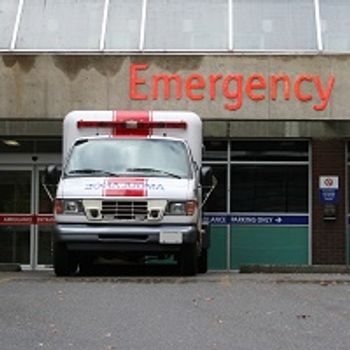
Data presented at ACP 2024 shows non-White patients may be particularly subjected to more risk of discrimination in their care when ED boarding extends past 24 hours.

A study presented at ACP 2024 shows benefit with preparing to offer pneumococcal vaccination to incoming patients in an ambulatory setting.

An ACC.24 analysis found a decline in TTM use post-2013 TTM trial, which investigators suggest indicates a potential misinterpretation of trial findings.

Ahmad Masri, MD, MS, discusses a study from ACC.24 examining trends in incidence and outcomes of emergency department visits related to hypertrophic cardiomyopathy from 2006 to 2019.
José López, MD, discusses a case series from ACC.24 related to leadless pacemaker extraction and reimplantation.

New data from NIH investigators show acute respiratory distress syndrome from COVID-19 infection may trigger heart inflammation in patients.

In a post hoc analysis of the ACCT-2 study, a risk profile using simple hematologic parameters identified patients hospitalized with COVID-19 who benefited most from baricitinib treatment.

People experiencing homelessness exhibit similar rates of morbidity compared with housed patients, but a longer adjusted length of hospital stay.
The approval provides patients with the first-ever treatment option for severe frostbite to prevent the amputation of fingers or toes.
In recognition of 60 years since the historic contribution to modern understanding of the harmful effects of cigarette smoking, Albert Rizzo, MD, meets with the preventive cardiology expert to discuss the myriad of cascading effects delivered by the 1964 report.

A new study reports previously unknown inherited genetic variants that contribute to glaucoma risk among more than 11,000 people of African ancestry.
The first Lungcast of 2024 touches on one of the most pressing issues in medicine: burnout, with an organizational expert.
For the first time, the FDA has approved a plan allowing Florida to import certain, cheaper prescription drugs from Canada.

Post hoc analysis of STRONG-HF trial underscores benefits of higher guideline-directed medical therapy doses in acute heart failure, showing lower rates of death or readmission at 6 months with more rapid uptitration.

Analysis shows that biosimilar uptake was up to 2-fold greater in Medicare Advantage coverage than traditional Medicare.

Study raises concerns about quality of care in the future, as results reveal private equity takeovers of hospitals associated with increased hospital-acquired adverse events, including falls and infections.
The current treatment paradigm might need to evolve to adjust to rapid diagnostics and narrowing down the antibiotics to aid in optimal outcomes for sicker patients with gram-negative infections.
The FDA approved zuranolone for postpartum depression in August, and the drug recently hit the market for patients this month. Experts are celebrating its delivery of care and rapid response rate.
Clinicians and investigators alike navigate waning protection against the complex disease to push precedent-setting research and identify new care options.
Amid the escalating threat of wildfires due to climate change, the medical and public health communities face an increasing responsibility to develop robust emergency response plans to safeguard patients and healthcare infrastructure.
Advertisement
Advertisement
Trending on HCPLive
1
The Case for Routine Kidney Screening, With Pranav Garimella, MBBS, MPH
2
FDA Approves Obinutuzumab (Gazyva) for Idiopathic Nephrotic Syndrome
3
Zilurgisertib Receives FDA Approval for FOP in Patients 12 and Older
4
FDA Approves Baricitinib for Adolescents With Severe Alopecia Areata
5