

In the phase 2b VANTAGE trial, volixibat shows meaningful gains in fatigue, sleep, and itch relief in PBC patients.
In the phase 2b VANTAGE trial, volixibat shows meaningful gains in fatigue, sleep, and itch relief in PBC patients.

The new guidance seeks to aid patient selection, comorbidity management, and monitoring the safety and effectiveness of semaglutide for MASH.
Shroff emphasizes the need to address more than just liver health in patients with alcohol-associated liver disease and reviews trends in AUD pharmacotherapy prescriptions.

Patients with alcohol-associated liver disease face greater stigma than other liver disease etiologies.

Findings support a sex-specific approach to MetALD and ALD definitions and the need to incorporate binge drinking frequency into clinical risk stratification.

View slated expert interviews and 5 clinical trials to watch at AASLD The Liver Meeting 2025.

Mayo explains current shortcomings of pruritus care in PBC and what the additions of elafibranor, seladelpar, and other agents in development may offer.

Schattenberg reviews results from a posthoc analysis of the ENLIVEN study suggesting pegozafermin’s impact on preventing progression to cirrhosis.
Schattenberg explains pegozafermin’s mechanism of action and describes the importance of preventing progression to cirrhotic MASH.
Test your knowledge of the 2024 AASLD Practice Guidelines on blood- and imaging-based noninvasive liver disease assessment with this clinical quiz!
Test your knowledge of the AASLD NAFLD Practice Guidance and its clinical application in light of the new MASLD nomenclature.

Fromme describes the importance of risk stratification in AATD and explains the potential utility of noninvasive fibrosis measures for predicting outcomes.

Strnad reviews findings from a proteomic analysis about AATD-associated liver disease and how they may aid future disease monitoring and drug development.

Hirschfield describes the need for therapies that address itch in PBC and explains what linerixibat, an IBAT inhibitor, may offer for pruritus.

Kavish Patidar, DO, explains how socioeconomic status and healthcare delivery impact outcomes in patients with acute kidney injury and cirrhosis.

Kugelmas reviews findings from a secondary analysis of the phase 3 ELATIVE trial suggesting elafibranor is associated with stable kidney function.

Lawitz explains issues with traditional FXR agonists for MASH treatment and how FXR314 differs, potentially offering a more safe and efficacious option.

Loomba reviews safety and efficacy data for the thyroid hormone receptor beta agonist from a phase 2a trial presented at AASLD The Liver Meeting 2024.

Barritt reviews real-world data about the use and benefits of GLP-1 RAs in patients with MASLD.

Kowdley reviews open-label extension data for biochemical response, ALP normalization, and pruritus improvement from the phase 3 ELATIVE study.
Findings from the open-label extension of the ELATIVE study suggest sustained safety and efficacy for up to 3 years, with improvements in itch and sleep.
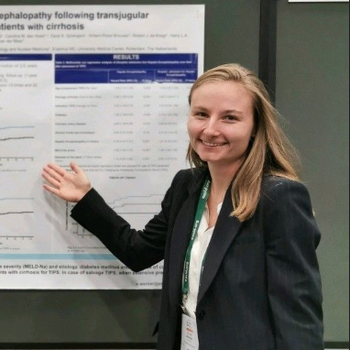
Diabetes was associated with an increased risk of liver transplant or death and with liver-specific events in patients with PBC.

Zhang explains the safety of different FDA-approved alcohol use disorder drugs in patients with alcohol-associated liver disease.

Liver transplant waitlisting after a weekend was associated with higher 1-year post-transplant mortality compared with patients listed on a weekday.

Teckman explains the value of a new predictive algorithm model for determining future risk of portal hypertension, cirrhosis, and liver transplant in AATD.

GLP-1RA use was associated with a reduced risk of adverse liver outcomes in patients with alcohol-associated liver disease and type 2 diabetes.

Compared with non-Hispanic White patients, racial/ethnic minority patients were more likely to be removed from the waitlist and not receive a transplant.

High adherence to the Mediterranean diet was linked to a lower risk of liver-related outcomes as measured by the Liver Risk score.

Patients with PBC and moderate/severe pruritus face a greater health-related quality of life burden and impaired activity than those with no/mild itch.
Kowdley explains how treatment with elafibranor (Iqirvo) improves transplant-free survival based on changes in GLOBE and UK-PBC prognostic scores.