
The St. Jude oncologist discusses the 30-year development of pediatric melanoma interpretation.
The St. Jude oncologist discusses the 30-year development of pediatric melanoma interpretation.

An analysis suggests patients on the biologic fared better with adherence and outcomes than those on competitors including adalimumab.
Dr. Karan Lal speaks on treating vitiligo in patients from across the world, and how he expects a wave of prescription requests for ruxolitinib cream following the potential FDA approval.


Dr. Karan Lal returns to discuss key identifiers of pediatric morphea, and how dermatologists can collaborate with doctors from different branches of medicine to treat the disease.
Dr. Lisa Arkin speaks to how evidence-based, expert opinion-led consensus treatment plans for scleroderma can help change the way patients and providers approach the disease.

Dr. Cordoro speaks on the prevalence of variants of scleroderma in children, and how provides can better recognize and treat the disease in pediatric populations.
Double board certified dermatologist Dr. Karan Lal details targeted therapies and surgical treatments for vitiligo and how the condition is perceived by different cultures.

Dr. Sarah Asch details therapeutic strategies for treating pediatric patients with vitiligo.

Dr. Karan Lal provides essential information on rosacea, which the National Rosacea Society estimates to affect 16 million people in the United States.
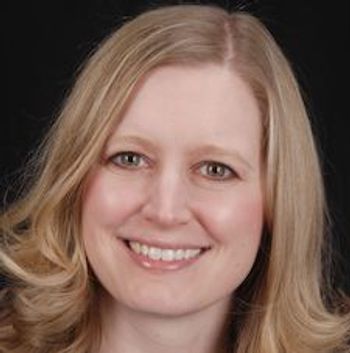
Dr. Elena B. Hawryluk details her pre-AAD session, the variety of conversations being held at the meeting, and how these conversations can inform dermatological research outside of the pediatric field.
Dr. Brandling-Bennett speaks of some of the advancements made by women in health care and what could be done to further support women in the workforce.

Dr. Lal speaks to deficiencies in dermatology education as they relate to skin of color, and how more inclusive language and media help dermatologists improve patient care.

The program has returned with a renewed focus for Black and skin of color-dominant residency programs in addition to those with limited access to mentorship resources.
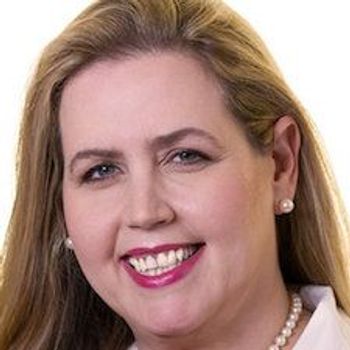
Dr. Silverberg speaks of the desire for more inclusive studies and educational resources on skin of color by patients and physicians alike.

Prominent dermatologists detail how a biased literature, a lack of education, accessibility issues, and historical wrongdoings have all influenced the study of skin of color.
Half of all cases of vitiligo occur in childhood, and accessibility to therapy has been an ongoing issue.

Dr. Arianna Yanes provides insights into 7 new handouts developed by the Society for Pediatric Dermatology and how they aid nurses and teachers in creating a more inclusive setting for children with skin conditions
The FDA approvals of biologics for atopic dermatitis and psoriasis have ushered in a new era for the once-stagnant field of pediatric dermatology.