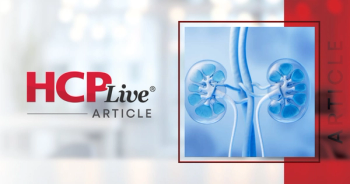
Final TELIGAN data show telitacicept cut confirmed 30% eGFR decline by 89% and reduced proteinuria by 60.7% vs placebo over 2 years in IgA nephropathy.
Plastic surgery is undeniably a growth industry in the US, but along with its popularity has come a series of scandals that illuminate the potential dangers of the surgical pursuit of beauty.
Plastic surgery is undeniably a growth industry in the US. According to a
The most recent of these is the widely publicized case of Poly Implant Prothese (PIP). After receiving numerous complaints from patients and doctors concerning ruptures of the company’s breast implants, the French government launched an investigation of PIP, which discovered that it was using unapproved industrial-grade silicone in some of its products. As a result, on December 23, the government advised the over 30,000 French women who had received PIP breast implants to have them removed to protect against possible rupture and release of potentially deadly toxins.
The French government says that there is no proven link between the implants and increased cancer risks, but so far, eight cases of cancer—mostly breast cancer—have been reported in patients with PIP implants, and a French woman whose implant ruptured went on to die of anaplastic large-cell lymphoma, a rare form of cancer. The implants were determined by the French government to have an “unacceptably high” failure rate of roughly 5%, a figure has since been raised to 5.5%, according to the
Approximately 40,000 British women have received the company’s implants as well, but the British government has so far maintained that is it is not necessary to remove them. Health Secretary Andrew Lansley told
"On the basis of the evidence and the data that [the experts] have seen so far, their advice continues to be that there is no case for the routine removal of these implants because there isn't a safety concern that would justify the risk of a surgical operation," Lansley told the
Last October, an even more disturbing plastic surgery scandal broke when Oneal Ron Morris, known as “The Duchess,” was arrested in Fort Lauderdale, Fla., and charged with causing bodily injury and practicing medicine without a license. Several victims came forward with severe deformities they claimed were caused by “backdoor” plastic surgery procedures, during which Morris injected them with dangerous materials.
According to
As a result of Morris’s procedures, an unnamed victim “sustained extensive disfigurement to her buttocks and scarring,” and had to receive “several blood transfusions and multiple surgeries ... followed with home nursing care for several weeks," according to a police report cited by Reuters.
Another required hospitalization and the attention of a professional plastic surgeon to fix the damage. "The doctor pulled pieces of cement out of the side of my face,'' Rajee Narinesingh, who received several procedures from Morris in 2005, told
In all, 30 victims came forward.
Now, experts are warning that a new scandal involving injectable dermal fillers could be imminent if the UK’s lax regulation of them is not tightened up. The fillers are meant to smooth wrinkles and plump up cheeks and lips, and in the US, only six are licensed and available for patients to purchase without the involvement of a health care provider. Since the fillers are not classified as “medicine” by UK authorities as they are by the US
"Some of the fillers are permanent and therefore if the patient develops a problem it will be lifelong,” Fazel Fatah, president of the British Association of Aesthetic Plastic Surgeons, told the
Still, even though the US regulates the fillers, which include cosmetic Botox, more thoroughly than the UK, do-it-yourself kits are readily available online without a prescription, and horror stories involving them are not uncommon. A 2009 ABC News
This parade of scandals has led some to argue that it is time to ban plastic surgery altogether.
Alexander Edmonds, an assistant professor of anthropology at the University of Amsterdam, recently contemplated the pros and cons of such a ban in the
Edmonds ultimately concedes that a cosmetic surgery ban would be difficult to enforce, especially overseas, but ends his article with a note of caution: “As beauty becomes a more visible part of medicine, health risks may become less visible. And that is a big risk.”