
































































Addiction
Latest News

Advertisement
CME Content
Advertisement





Although designed to make taking medications simple and easy to remember, pill organizers could spell trouble for older adults.
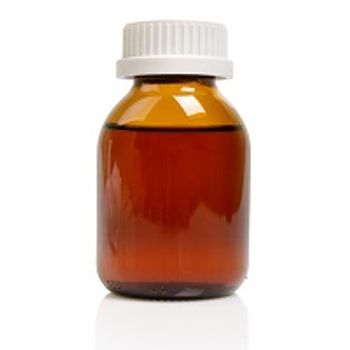
Over-the-counter diarrhea drug loperamide (Imodium/Johnson & Johnson Consumer Inc.) has recently been in the news because opioid abusers have been using it to self-treat symptoms of opioid withdrawal. Others abuse it for its euphoric properties.

When addicted physicians seek treatment, they generally succeed. Addiction specialist Joseph Garbely, DO, says physicians usually have too much at stake to fail.

Heavy, persistent pot use is bad news for those who hope to be financially and socially successful by midlife.

New research has shown that the source of your arachnophobia may be able to target the same pain receptors as opioids.

Using Functional MRI scans researchers can "see" pain, study reports. The finding should be useful in evaluating pain-relievers.

The only doctor to ever be convicted of murder for recklessly prescribing drugs in the United States was sentenced to 30 years to life in prison.
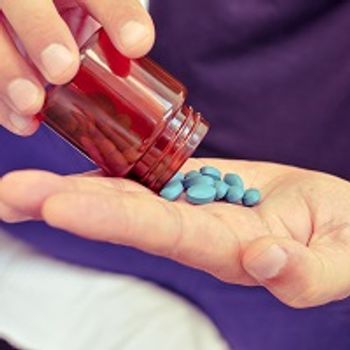
One of the main concerns tied to prescription painkillers is their addictive properties. But those worries may be put to rest with the development of a new drug that provides the same relief without the side effects.

It’s prime time for runny noses, sore throats, and just overall not feeling well. But if you’re taking medicine for a pesky cough, do not take Licorice Coughing Liquid.

A drug trial in France has officially gone from bad to worse.
Donor livers are scarce, donated organs are precious, and transplant surgeons make the final call on whether to transplant. When the question of whether to give a liver to a patient who uses marijuana, drinks too much alcohol, or even smokes tobacco comes up, the issue gets tricky.

Researchers in Brazil recently noted that marijuana use may mitigate some of the more severe psychiatric side effects associated with crack cocaine addiction, potentially making it easier for addicts to stop using the drug.

For patients unable to have regular bowel movements the search for effective treatment can be uncomfortable with limited options. A potential new treatment is being tested where a vibrating capsule could help these patients with regular bodily functions.

Researchers from Northwestern University have suggested that many mental disorders do not appear to predict future violent behavior, with the exception of substance use disorders.

In addition to injection drug use, alcohol consumption puts people at risk of dying from hepatitis C infection by increasing the severity of the disease. A French research study spells out the risks.

E-cigarettes -- thought by many to be a "healthier" alternative to tobacco cigarettes -- were found by John Hopkins Bloomberg School of Public Health investigators to not only compromise the lung's immune system, but to also include some of the same chemicals present in traditional cigarettes.

When opting for urine drug testing, doctors often choose between sending samples to a lab for examination or an immunoassay test.
While various behavioral and pharmacologic agents have proven to be effective and safe for continued smoking cessation, a combination of varenicline and nicotine replacement (NRT) with transdermal patches has not been shown definitively to be more efficacious than varenicline alone. In the framework of a randomized clinical trial (RCT), the present study evaluates whether a combination of varenicline with NRT improved smoking cessation rates and abstinence duration compared with varenicline alone.

Women tend to become addicted to drugs and relapse faster than men. In a study in the Journal of Neuroscience, Helen Scharfman and Teresa Miller write that high levels of estrogen may be responsible for this difference.

Addiction is a chronic and progressive brain disease of the reward, motivation, and memory pathway that moves from an impulse or positive reinforcement to compulsive and negative reinforcement.
Advertisement
Advertisement
Trending on HCPLive
1
The Case for Routine Kidney Screening, With Pranav Garimella, MBBS, MPH
2
FDA Approves Obinutuzumab (Gazyva) for Idiopathic Nephrotic Syndrome
3
Zilurgisertib Receives FDA Approval for FOP in Patients 12 and Older
4
FDA Approves Baricitinib for Adolescents With Severe Alopecia Areata
5