
Catch up on any data and perspectives presented at the American Association of Clinical Endocrinology Annual Meeting 2026.
Catch up on any data and perspectives presented at the American Association of Clinical Endocrinology Annual Meeting 2026.
New research underscores the risks and daily burden of TPN in SBS, with focus shifting toward reducing dependence and complications.
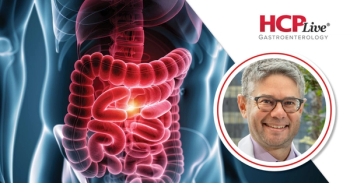
Gil Melmed, MD, breaks down real-world data showing risankizumab has the lowest switch rates in Crohn’s over 24 months, highlighting strong persistence vs other biologics.
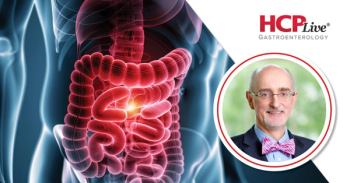
Murray breaks down what gastroenterologists need to know about celiac disease diagnosis and management.
Marla Dubinsky, MD, explains LIBERTY post hoc data showing SC infliximab 240 mg recaptured clinical response within 8 weeks in CD and UC patients following a drug holiday.
Laurie Keefer, PhD, makes the case for integrating mental health, social determinants, and brain-gut behavior therapies into routine GI care.
Anjali Byale, MD, reviews data supporting EUS-guided procedures as first-line options for high-risk patients with cholecystitis or malignant gastric outlet obstruction.

New paired biopsy data show histologic regression after metabolic bariatric surgery in compensated MASH patients, challenging the irreversibility of cirrhosis.
Wu describes her research linking low food access and food insecurity to higher childhood obesity risk, highlighting the need for early, multilevel prevention strategies.
Njei explains the evolving treatment landscape for MASLD and how it impacts the cost-effectiveness of noninvasive tests for screening.

Shah describes the science and real-world use of gluten sensors, with insights on how these tools may support patients with celiac disease without replacing standard care.

Sadhu provides an update on the state of the stem cell and islet cell therapy landscapes, highlighting encouraging developments in insulin independence.

Are IL-23 inhibitors, rather than IL-17 inhibitors, the preferred biologic for psoriasis patients at risk of developing psoriatic arthritis?

Shahla discusses a recent real-world study analyzing the clinical outcomes of patients prescribed paltusotine after its September 2025 approval.

This Q&A interview with Nambudiri covers the AAD Clinical Image Collection, launched in January 2025 to address diversity in dermatology education.

Silverstein addresses a secondary analysis of the GRACE trial, highlighting relacorilant’s efficacy in reducing cortisol in patients taking GLP-1 RAs.
Joshi explains the narrow window of optimal iodine levels, highlighting the risk posed by supplements and iodized salt in tipping the scales toward health risks.
Isaacs covers the range of AID devices currently available and approved for T2D, providing suggestions for implementation and continuous glycated hemoglobin monitoring.

Viral Shah, MD, joins the show to break down his AACE 2026 presentation on the benefits of using GLP-1 RAs in patients with T1D.

In this interview, Nguyen discusses improving patient experiences during surgical procedures in dermatology practices, such as Mohs surgery.

Armstrong spoke in an interview regarding several different sessions presented at the 2026 AAD meeting.
Elizabeth Bauer, MD, joins the show to discuss her AACE 2026 presentation on key updates in obesity management and nutrition.
Auchus discusses the 2-year results from CAHtalyst Adult, highlighting the substantial retention rates over the open-label extension period.
Isaacs explains how prediabetes care is shifting toward early intervention, risk stratification, and prevention of cardiometabolic disease, not just progression to diabetes.

Hamidi reviews 2-year CAHtalyst data showing crinecerfont enabled sustained glucocorticoid reductions to physiologic range in adults with classic congenital adrenal hyperplasia.
Linda DiMeglio, MD, MPH, joins the show to discuss the growing movement towards screening and testing for T1D at an early stage.
New real world data suggest GLP-1 RAs do not drive DKA or pancreatitis risk in adult patients with type 1 diabetes and may reduce hospital admissions.

Shah discusses the potential of GLP-1 receptor agonists as adjunctive therapy in type 1 diabetes, from glycemic control to cardiometabolic risk.
Mechanick discusses the importance of dietary interventions in endocrinology and highlights the need for further education and awareness of metabolic function.
Galindo describes how CKM may transform diabetes care by enabling real-time insights, improving DKA prevention, and advancing metabolic understanding.