
|Videos|July 26, 2023
Key Takeaways and Prospective Treatment Advances
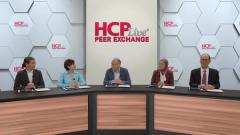
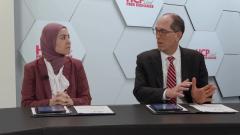
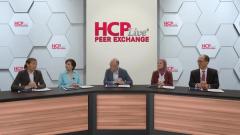
David Hudesman, MD, Maia Kayal, MD, Miguel Regueiro, MD, Anita Afzali, MD, and Millie Long summarize their discussion of Inflammatory Bowel Disease (IBD) and discuss prospective advances in treatment options.
Advertisement
Episodes in this series













Advertisement
Related to this article

Children receiving 50 nmol PVX108 increased their tolerated peanut dose 2.4-fold, with no treatment-related anaphylaxis in the phase 2 trial.

Ackerman and Bunick review 52-week AMETHYST data for litifilimab in refractory cutaneous lupus and make the case for dermatology-led CLE care.
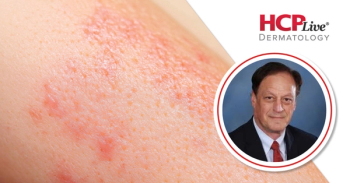
Lawrence Eichenfield, MD, discusses phase 2 nemolizumab data in children aged 2 - 11 with atopic dermatitis, from caregiver-rated itch to sleep gains.

In this Q&A, Jennifer K. Priessnitz, MD, explains why FAERS reporting proportions should not drive biologic selection and what data are needed next.
At ACAAI 2026, Jennifer Priessnitz, MD presented data which found omalizumab had the highest anaphylaxis reporting proportion among 7 respiratory biologics.

Pooled, blinded week 12 data from the phase 2 RENEW trial showed FVC improvement in 8 of 24 patients with IPF and no treatment-related serious AEs.

Ankeet Bhatt, MD, MBA, ScM, explains how prediction markets could threaten clinical trial integrity by undermining participant retention and trust.
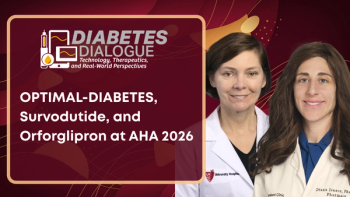
Diana Isaacs, PharmD, and Natalie Bellini, DNP, review OPTIMAL-DIABETES, SYNCHRONIZE-CVOT, and ATTAIN-OSA data from AHA 2026.
Advertisement
Advertisement
Trending on HCPLive
1
Single Annual Injection Produces Significant and Sustained Lp(a) Reductions
2
Ruvonoflast Reduces hsCRP, Inflammation, CVD Risk With Downstream Effects
3
Lessons From ZEUS on Targeting Inflammation, With Peter Libby, MD
4
SUMMIT Substudy Reveals Tirzepatide’s Impact on LV, Atrial Metrics of HFpEF
5