

A study presented at DDW 2019 found that endoscopic sleeve gastroplasties found significant and sustainable weight loss among patients 5 years after surgery.
A study presented at DDW 2019 found that endoscopic sleeve gastroplasties found significant and sustainable weight loss among patients 5 years after surgery.

Study presented at DDW 2019 found that transplantation of gut microbes from lean donor could aid weight loss in obese, metabolically healthy recipients.

Using education, EHR alerts, and increased clinic capacity, investigators increased HCV screening of baby boomers from 10.1% to 34.6%.

Short-course, "post-exposure" direct-acting antivirals enabled successful transplantation of HCV-infected hearts and lungs to uninfected recipients.

Currently, DAAs lack FDA approval for hepatitis C treatment in children under 12 years, but pediatricians call for their approval.

A randomized trial compared cash incentives, peer support, and usual care for increasing rate of HCV treatment among HCV/HIV infected people who use drugs.

Economic factors can influence ER department patient disposition, despite prohibitions against such practice.

A study of DAA treatment of HCV in the US finds high adherence and effectiveness at less cost than when the antivirals were introduced.

The CDC conducted the first nationally relevant study of associations between air pollutants and ER visits across patient demographics and conditions.

Investigators identified reasons veterans might decline or not adhere to HCV treatment and proposed ways to optimize treatment.

A new trial finds a drug regimen for multidrug-resistant TB can be substantially shorter than the 20 months currently recommended by the WHO.

Steatosis was found more often with HCV monoinfection than with HCV/HIV and more commonly detected with imaging than with biopsy.

HCV infection was found to be an independent and significant risk factor for death in patients with chronic kidney disease on maintenance dialysis.

A gene linked to risk for steatosis predicted likelihood of patients with sustained virologic response recovering from decompensated HCV cirrhosis.

Sustained virologic response rates were high among HCV/HIV coinfected patients with early treatment discontinuation the only factor associated with lower SVR rate.

Investigators recognize sustained virologic response to DAAs for hepatitis C infection as valid clinical endpoint of treatment, but question how it relates to long-term health.

After demonstrating success of direct-acting antivirals for HCV in cancer patients, investigators call for their eligibility to participate in chemo trials.

Scientists at the Task Force for Global Health describe what is needed to eliminate HBV and HCV as public health threats.

Models indicate that a vaccine with just 30% efficacy would significantly reduce HCV transmission if provided to persons at high risk of infection from injecting drugs.

Disease-modifying therapies for relapsing-remitting MS were shown to reduce risk of conversion to secondary progressive MS.
First prospective study of direct-acting antiviral treatment of HCV in cancer patients finds that it is safe, efficacious, and that it can open options for chemotherapy.

In a rare clinical trial, stem cell transplantation appeared to provide greater protection against MS progression than DMT.

Researchers calculate universal HCV screening of pregnant women would be cost-effective in the US, including in states with low HCV prevalence.
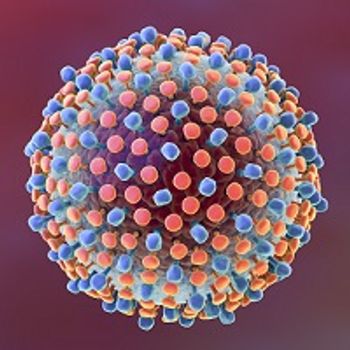
Analysis of multiple studies demonstrates glecaprevir/pibrentasvir pangenotypic HCV efficacy despite concurrent gastric acid-reducing drugs.

Anxiety and depression each contribute to impaired cognition in patients with MS and other immune-mediated disorders, a new study shows.

Direct-acting antiviral treatment of HCV prior to liver transplant does not increase pre-transplant liver cancer progression or post-transplant recurrence.

Behavioral model predicts when MS patients decline treatment for delayed or insufficient benefit, and the probability and severity of side effects.

The first prospective, longitudinal study of direct-acting antivirals for HCV finds that treatment reduces risks of all-cause mortality and liver cancer.

A novel method to inactivate HCV in donor lungs could allow additional transplants without post-transplant antiviral treatment.

Successful HCV treatment with direct-acting antivirals provides long-term efficacy in resolving HCV-associated cryoglobulinemia vasculitis.