
Here’s a round-up of recent designations granted by the FDA to products developed to treat rare diseases.
Here’s a round-up of recent designations granted by the FDA to products developed to treat rare diseases.

RT001 has demonstrated arrest of disease progression in 2 patients with infantile neuroaxonal dystrophy.

Ellen Sigal, PhD, discusses how she helped make the concept of the expedited FDA development program a reality.

Karlyne Reilly, PhD, discusses the Rare Tumor Patient Engagement Network and the importance of getting patients with rare conditions involved in cancer research.

John Hopper, MBA, highlights advances made in the fight against rare cancers and discusses what’s next for the community.

William A Gahl, MD, PhD, discusses challenges associated with diagnosing rare diseases and how health care providers might overcome them.

Research indicates that influenza vaccine effectiveness was low but effective in preventing influenza-related hospitalization during the 2016-2017 flu season in Canada.

Investigators report the first real-world data on the safety and effectiveness of G/P for patients on opioid substitution therapy within the German Hepatitis C-Registry.

Investigators find school-located influenza vaccination increased coverage and decreased school absence and influenza hospitalization.

New research suggests that flu vaccination setting is associated with vaccination timing.

DOR/3TC/TDF demonstrates noninferior efficacy and safety compared with continuing other ART regimens in a phase 3 trial.

An oral influenza vaccine tablet protects against virus as well or better than an injectable quadrivalent vaccine in phase 2 trial.

The FDA has granted a fast track designation to miransertib for the treatment of PIK3CA-Related Overgrowth Spectrum, a group of ultra-rare genetic disorders.

Investigators find telavancin has potent in vitro activity and low resistance development potential when used against S aureus isolates in patients with cystic fibrosis.

The FDA has granted a fast track designation to FCX-013, a gene therapy for the treatment of patients with moderate to severe localized scleroderma.

The FDA has granted a priority review for an anti-PD-1 therapy for the treatment of adults and pediatric patients with recurrent locally advanced or metastatic Merkel cell carcinoma.

Ibudilast has been found to slow down brain atrophy in patients with progressive multiple sclerosis.

A phase 3 trial demonstrates that tafamidis significantly reduced the combination of all-cause mortality and cardiovascular-related hospitalizations in patients with ATTR-CM.
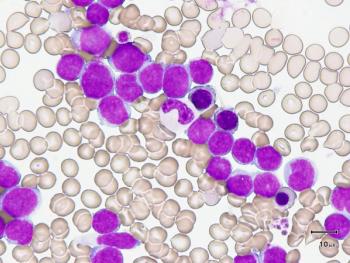
The FDA has granted a fast track designation to CX-01 for the treatment of patients over 60 years of age receiving induction therapy for newly-diagnosed AML.

The FDA grants an orphan drug designation to a novel gene therapy candidate for the treatment of patients with hereditary angioedema.

The FDA approves the first drug, cenegermin, for the treatment of neurotrophic keratitis, a rare disease affecting the cornea.

A team of investigators at Cleveland Clinic discover a novel subtype of multiple sclerosis which features neuronal loss but no demyelination of the brain’s white matter.

The FDA grants RMAT designation to AT132 for the treatment of patients with X-linked Myotubular Myopathy.
The FDA accepts Alexion Pharmaceutical Inc.’s BLA for review for approval of ALXN1210 for the treatment of patients with paroxysmal nocturnal hemoglobinuria.

The FDA has granted a fast track designation to gene therapy product candidate AAV-CNGB3 for the treatment of achromatopsia caused by mutations in the CNGB3 gene.

The FDA has approved migalastat (Galafold), the first oral medication for the treatment of adults with Fabry disease.
The FDA has approved patisiran infusion for the treatment of peripheral nerve disease caused by hereditary transthyretin-mediated amyloidosis in adult patients.

The FDA has granted an orphan drug designation to NSI-189 for the treatment of patients with Angelman syndrome.

The FDA’s Antimicrobial Drugs Advisory Committee voted 12 to 2 in favor of the safety and effectiveness of ALIS for adults with NTM lung disease caused by MAC.
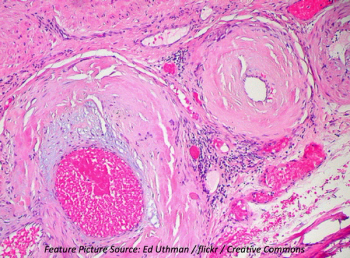
The lack of higher reported mortality rates in states with a greater proportion of black residents suggests underdiagnosis of amyloidosis, including cardiac forms of the disease, in many areas of the United States.