

Investigators explore if polio can be used as a potential treatment for glioblastoma, an aggressive form of cancer that currently has no cure.
Investigators explore if polio can be used as a potential treatment for glioblastoma, an aggressive form of cancer that currently has no cure.

The ECDC is currently investigating a multi-country outbreak of listeriosis linked to frozen vegetables that has been ongoing since 2015.
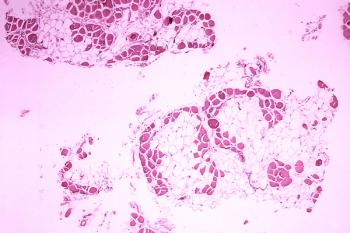
Researchers find that a glucose-derived dietary supplement was able to increase muscle-force production in a Duchenne muscular dystrophy mouse model by 50% in 10 days.

A phase 3 trial evaluating the use of oral ganaxolone in children and young adults with CDKL5 Deficiency Disorder has been initiated.

AbbVie has submitted a supplemental new drug application to the FDA for venetoclax to be used in combination with HMA or LDAC for the treatment of AML patients who are ineligible for intensive chemotherapy.

Skyhawk Therapeutics and Celgene Corporation have entered into a 5-year partnership to discover, develop, and commercialize small molecule treatment options for patients with neurological diseases.
Dr Meletios A. Dimopoulos, discusses the use of ibrutinib combined with rituximab for the treatment of patients with Waldenström macroglobulinemia.

Two phase 3 studies will examine the potential for 2 compounds to be used as part of a triple combination modulator therapy for cystic fibrosis.
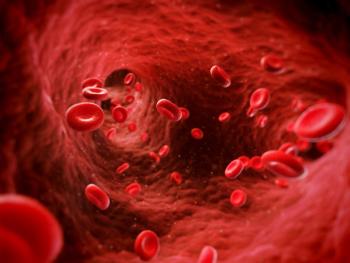
Fanconi anemia has inspired Stanford researchers to develop a new test capable of detecting aldehyde in blood samples.

Alexion Pharmaceuticals, Inc. has submitted a BLA to the FDA for approval of ALXN1210 for the treatment of patients with paroxysmal nocturnal hemoglobinuria.
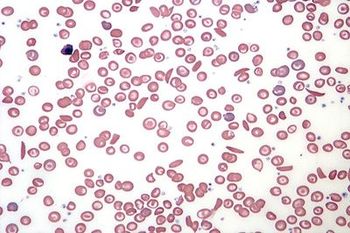
In honor of World Sickle Cell Awareness Day, we’ve rounded up the big treatment advances made this year thus far for sickle cell disease.
The FDA has approved bevacizumab for patients with ovarian, fallopian tube, or primary peritoneal cancer in combination with carboplatin and paclitaxel, followed by single-agent bevacizumab, for either stage 3 or 4 disease after initial surgical resection.
The FDA grants rare pediatric disease designation to Albiero Pharma Inc.’s A4250 for the treatment of PFIC, a rare liver disease for which no approved treatment is currently available.
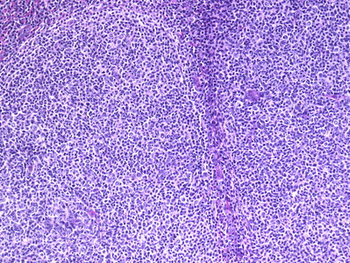
e FDA grants Fast Track designation to 177Lu-lilotomab satetraxetan (Betalutin) for the treatment of patients with relapsed/refractory follicular lymphoma after at least 2 prior systemic therapies.
This is the first approved treatment option in over 60 years for patients with the disease.
The FDA has granted Orphan Drug Designation (ODD) to is product, brincidofovir, for the treatment of smallpox, a serious, and often deadly infectious disease.
The FDA grants Orphan Drug Designation to Ascendis Pharma’s long-acting prodrug of parathyroid hormone in development for the treatment of hypoparathyroidism.
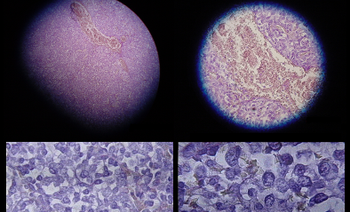
Researchers present promising phase 2 data regarding tazemetostat for malignant mesothelioma, the first reported clinical data of an EZH2 inhibitor in these patients.
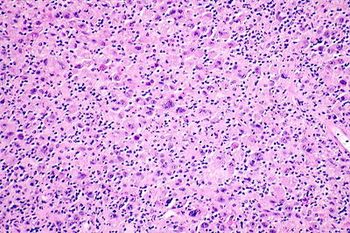
Researchers release updated data from the phase 3 ALEX trial comparing alectinib with crizotinib as first-line treatment against ALK-positive non-small cell lung cancer.
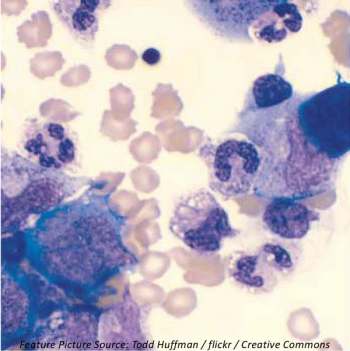
Researchers find that the use of PET scans at baseline and after induction therapy can help them tailor chemotherapy regimens in esophageal cancer patients, increasing survival.
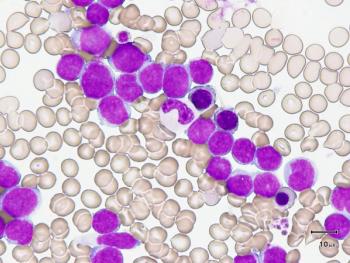
Researchers report positive results for phase 1 trial of ivosidenib in patients with IDH1+ acute myeloid leukemia.

Results of a recent study demonstrate that treatment at a specialized cancer center is associated with better leukemia-specific survival in children, adolescents, and young adults.
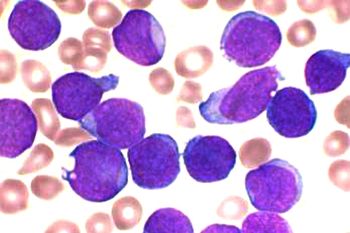
A new phase 3 clinical trial boasts highest survival rates of these T-cell malignancies.
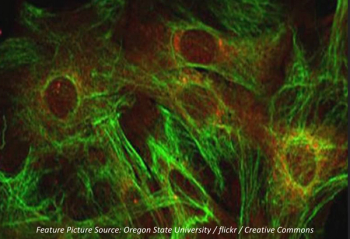
First-in-man phase 1 trial meets its primary endpoints by demonstrating safety and immunogenicity of a mutation-specific IDH1R132H peptide vaccine.
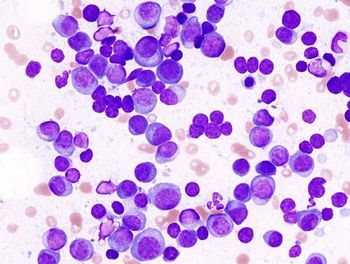
To date, OPTIMISMM is the only phase 3 study in early RRMM to report a significantly and clinically meaningful PFS improvement in LEN-exposed patients.
Researchers find that a specially formulated antioxidant-enriched supplement may decrease respiratory illnesses in patients with cystic fibrosis.

In an exclusive interview, Cary O. Harding, MD, provides Rare Disease Report® with insight into pegvaliase-pqpz and its recent approval by the FDA to treat patients with PKU.

By adjusting protein levels that impact an important biological pathway, researchers improve heart function in mice with HD, shedding light on the biology of the disease.
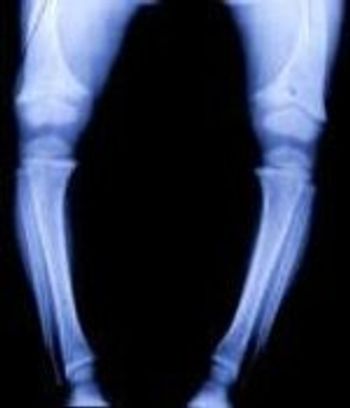
Burosumab found to improve outcomes in children with x-linked hypophosphatemia in phase 2 study.
The FDA has approved pegvaliase-pqpz for the treatment of adults with PKU.