
The endocrinology month in review for August 2024 spotlights 6 pieces of major pipeline news or regulatory announcements as well as multiple episodes of Diabetes Dialogue.
Patrick Campbell is the editorial director of HCPLive. Patrick has spent years spearheading coverage surrounding cardiometabolic health and rheumatic disease for MJH Life Sciences. Before joining MJH Life Sciences in 2019, he spent time as a beat reporter and/or multimedia specialist with the Pocono Record, Star News Group, and NJ Advance Media. He is the executive producer for multiple HCPLive podcasts, including Diabetes Dialogue, Don't Miss a Beat, Kidney Compass, Medical Ethics Unpacked, The Medical Sisterhood, and Skin of Color Savvy.
Follow him on Twitter @RealPatCampbell or reach him via email at [email protected].
The endocrinology month in review for August 2024 spotlights 6 pieces of major pipeline news or regulatory announcements as well as multiple episodes of Diabetes Dialogue.

New study finds ASCVD risk score often misses at-risk patients for first acute coronary syndrome, highlighting need for better prediction methods.

Deepak Bhatt, MD, MPH, MBA, discusses a group of 4 high-impact studies from ESC Congress 2024: FINEARTS-HF, ABYSS, RESHAPE-HF2, and SHAM-PVI.
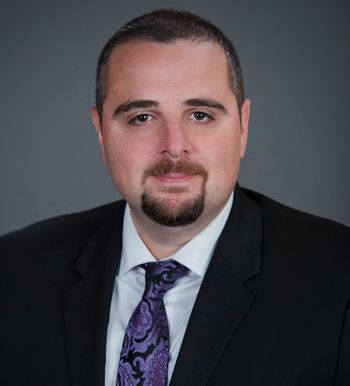
Ahmad Masri, MD, MS, highlights a trio of studies from ESC Congress 2024 examining use of aficamten in hypertrophic cardiomyopathy.
Ahmad Masri, MD, MS, discusses the results of a SEQUOIA-HCM substudy leveraging cardiac magnetic resonance to assess structural changes associated with aficamten use in HCM.
Ahmad Masri, MD, MS, discusses an integrated safety analysis of aficamten using data from 3 clinical trials.

Siddharth Patel, MD, MPH, discusses how an AZALEA-TIMI 71 analysis presented at ESC Congress 2024.
EMPACT-MI study shows empagliflozin is safe post-acute MI and reduces heart failure events, with kidney protection across kidney function levels.

ESC 2024: Phase 3 PALISADE trial shows plozasiran significantly lowers triglycerides and pancreatitis risk in FCS; NDA planned by year-end.

Kausik Ray, MD, MPhil, discusses the results of the INTERASPIRE study and how it improves our understanding of the effects of elevated Lp(a).
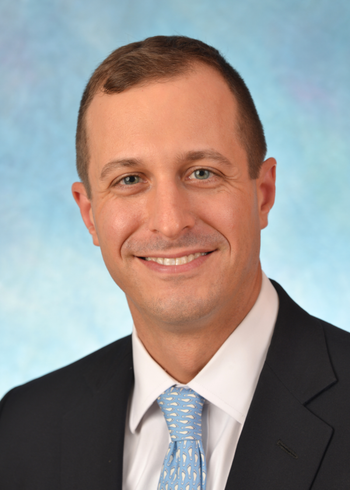
Matthew Cavender, MD, MPH, discusses a study he led at ESC Congress examining utility of the SCORE2-Diabetes risk score using clinical trial data.

MAVA-LTE trial data show mavacamten's sustained benefits in symptomatic obstructive HCM, with long-term improvements in LVOT, NT-proBNP, and quality of life.

A meta-analysis shows GLP-1 RAs and SGLT2 inhibitors offer distinct cardiovascular and kidney benefits in type 2 diabetes.
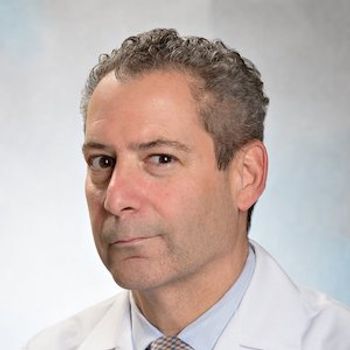
FINEARTS-HF results suggest finerenone may join SGLT2 inhibitors as a second pillar in treating HFmrEF/HFpEF, cutting total heart failure events by 16%.

Asundexian failed to prove noninferiority to apixaban for its primary efficacy outcome in the phase 3 OCEANIC-AF trial.

Rahul Aggarwal, MD, discusses the findings of a SCORED analysis examining sotagliflozin's effects based on diabetes duration.

Kenneth Mahaffey, MD, discusses FLOW trial data showing semaglutide improves cardiovascular outcomes in patients with type 2 diabetes, regardless of CKD severity.

RESHAPE-HF2 shows mitral transcatheter edge-to-edge repair (M-TEER) reduces heart failure hospitalizations and improves quality of life vs optimal medical therapy alone.

A single blood test using hsCRP, LDL-C, and Lp(a) levels can predict cardiovascular risk for women up to 30 years, emphasizing personalized care.

Sara Diaz Saravia, MD, discusses a study from ESC Congress 2024 examining the utility of cancer history in women as a predictor of subclinical atherosclerosis.
Deepak Bhatt, MD, MPH, MBA, discusses common pitfalls for clinicians when interpreting trial data based on a presentation he led at ESC Congress 2024.

The STOP-or-NOT trial found similar outcomes for continuation or discontinuation of RAS inhibitors before noncardiac surgery, supporting individualized decision-making.

HELIOS-B trial shows vutrisiran reduces all-cause mortality and CV events in ATTR-CM, with benefits consistent regardless of tafamidis use.
The ABYSS trial suggests no clear benefit of continuing beta-blockers post-MI in patients with preserved LVEF, echoing REDUCE-AMI findings.
Kausik Ray, MD, discusses what trials and new data in lipidology he is most looking forward to from the upcoming ESC Congress.
Michigan Medicine and U-M research finds a bidirectional link between mental health disorders and chronic diabetes complications, urging comprehensive screenings.

FDA expands Omnipod 5 AID system for type 2 diabetes, marking the first AID system approved for both type 1 and type 2 diabetes management.
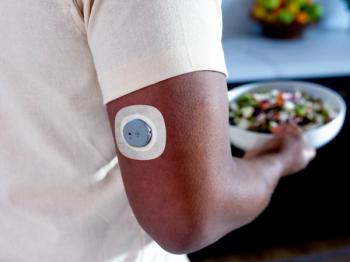
Dexcom's Stelo, the first OTC glucose sensor, launches in the US on August 26, 2024, offering 15-day wear and HSA/FSA eligibility for as low as $89.99 per 2-pack.

A subgroup analysis of the SELECT trial confirmed semaglutide 2.4 mg benefits patients with heart failure across ejection fraction spectra, improving MACE and heart failure outcomes.

A study involving 6.2 million patients found smoking increases the risk of developing hidradenitis suppurativa, with quitting smoking significantly reducing this risk.