

FDA expands Omnipod 5 AID system for type 2 diabetes, marking the first AID system approved for both type 1 and type 2 diabetes management.
Patrick Campbell is the editorial director of HCPLive. Patrick has spent years spearheading coverage surrounding cardiometabolic health and rheumatic disease for MJH Life Sciences. Before joining MJH Life Sciences in 2019, he spent time as a beat reporter and/or multimedia specialist with the Pocono Record, Star News Group, and NJ Advance Media. He is the executive producer for multiple HCPLive podcasts, including Diabetes Dialogue, Don't Miss a Beat, Kidney Compass, Medical Ethics Unpacked, The Medical Sisterhood, and Skin of Color Savvy.
Follow him on Twitter @RealPatCampbell or reach him via email at PCampbell@mjhlifesciences.com.
FDA expands Omnipod 5 AID system for type 2 diabetes, marking the first AID system approved for both type 1 and type 2 diabetes management.
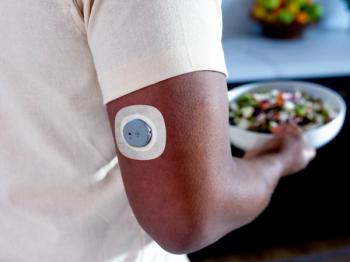
Dexcom's Stelo, the first OTC glucose sensor, launches in the US on August 26, 2024, offering 15-day wear and HSA/FSA eligibility for as low as $89.99 per 2-pack.

A subgroup analysis of the SELECT trial confirmed semaglutide 2.4 mg benefits patients with heart failure across ejection fraction spectra, improving MACE and heart failure outcomes.

A study involving 6.2 million patients found smoking increases the risk of developing hidradenitis suppurativa, with quitting smoking significantly reducing this risk.

Cascade testing strategies significantly increased the detection of FH, with direct contact yielding a 16-fold higher testing rate, according to the IMPACT-FH study.

Laurence Sperling, MD, offers perspective on multiple topics within the evolving field of lipid management and dyslipidemia.
On August 19, 2024, Liquidia Corporation announced the FDA's tentative approval of treprostinil inhalation powder for adults with PAH and PH-ILD.

HIIT exercise post-stroke improved aerobic fitness more than MICT, with significant gains in peak VO2 after 12 weeks.

Withdrawal of baricitinib in severe alopecia areata led to hair loss in 80% of patients, highlighting the need for ongoing therapy to maintain regrowth.

Deepak Bhatt, MD, MPH, MBA, discusses 7 trials to watch from hotline or late-breaking sessions at the upcoming European Society of Cardiology Congress 2024.

New study suggests MRI-derived pressure measurements indicate a 5-fold increase in heart failure risk.
Laurence Sperling, MD, provides an overview of the Family Heart Global Summit, including previewing the meeting and discussing where interested attendees can learn more.

Study finds 70% of atopic dermatitis patients using dupilumab continued for up to 5 years, but 23.8% discontinued primarily due to adverse events or ineffectiveness.
On August 07, 2024, Novartis announced the FDA's accelerated approval of iptacopan for reducing proteinuria in primary IgAN based on interim data from APPLAUSE-IgAN.

New study highlights racial disparities in psoriasis management, revealing non-Hispanic Black patients are twice as likely to receive a skin biopsy compared to White counterparts.
On August 6, 2024, the FDA warned against using unapproved inhalant products marketed for alertness and energy, citing reports of adverse events including seizures and fainting.
Brett King, MD, PhD, discusses the LEVEL UP trial and how it represents the field of dermatology's desire to advance care and advocate for new standards of care.

On August 05, 2024, less than a month prior to its presentation at ESC 24, Bayter has announced topline data from the FINEARTS-HF trial indicating finerenone met the primary endpoint.
The July 2024 endocrinology month in review recaps a pair of regulatory updates, multiple studies on incretin therapies, and the most recent episodes of our flagship diabetes podcast, Diabetes Dialogue.

The July 2024 cardiology month in review spotlights new data from obicetrapib, a deep dive into risk stratification algorithms, and studies on the need for optimal care.

An analysis of more than 11,000 people with T1D found people were more likely to report an affected father than an affected mother.
Eli Lilly's tirzepatide showed a 38% reduction in heart failure outcomes and improved symptoms in adults with HFpEF and obesity in the phase 3 SUMMIT trial.

Trust in physicians and hospitals dropped from over 70% in 2020 to under 50% in 2024, with declines seen across all demographics, a new survey shows.

A study cautions the AHA's new PREVENT equations may underprescribe statins and antihypertensives, potentially causing 107,000 more ASCVD events in 10 years.

New study finds semaglutide may reduce smoking urge in type 2 diabetes patients, decreasing tobacco use disorder medical encounters by up to 32%.

The phase 3 trial suggest obicetrapib offered significant reductions in LDL-C when added to maximally tolerated lipid-lowering therapy in HeFH.

A recap of the 5 most popular topics related to gene therapy in ophthalmology coming from the 42nd American Society of Retina Specialists meeting.
Brett King, MD, PhD, discusses how the deuruxolitinib approval impacts the treatment landscape of alopecia areata.

Personalized text messages can boost physical activity in cardiac rehab patients, especially in early stages, but effectiveness varies by time and device, study finds.

UAB research shows AHA’s Life’s Essential 8 and Simple 7 scores aid public health but are less effective than pooled cohort equations for predicting individual cardiovascular risk.