






COVID-19
Latest News
Advertisement
Latest Videos
Podcasts






CME Content























































Advertisement
More News

Infants and toddlers during the COVID-19 pandemic are associated with a higher odd of positive ASQ:SE-2 screenings. The findings suggest the pandemic caused delays in children’s socio-emotional development.
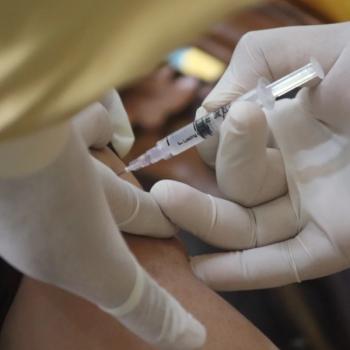
Data from a nationally representative survey show that, despite most US adults agree the COVID-19 and flu vaccines are safe and effective, there is discrepancy in why some may not want one or the other.
Clinicians and investigators alike navigate waning protection against the complex disease to push precedent-setting research and identify new care options.
Califf joins HCPLive to share perspective on AI, gene and cell therapy development, COVID-19, food and substance regulation, maternal and infant health, weight loss intervention, and more.

Findings of a new study suggest COVID-19 does not serve as risk factor for the development of VTE in pediatric cancer patients.

From 2018 to 2021, the deaths among U.S. pregnant and postpartum women aged 35 – 44 years old more than tripled, a new study found.

After receiving the COVID-19 vaccination, the antibody titers of patients with cirrhosis and hepatocellular carcinoma were significantly reduced compared to patients with chronic hepatitis C patients.

This new data suggests that hospital facilities in the US may need to plan for potentially atypical timing of bronchiolitis season once more for 2023.

This new data may help clinicians not to over-treat or over-medicalize with infants that have a SARS-CoV-2 infection.

The agency anticipates the decision to update monovalent formulas of the Pfizer, Moderna, and future COVID-19 vaccines to reflect circulating variants will become an annual practice.
Alcendor discusses the recent uptick in cases and hospitalizations, as well as the latest variants of concern and developments in 2023-24 booster doses.

An analysis into correlation between COVID-19 vaccine uptake and that of more established vaccines showed research is lacking—yet troubling all the same.

An analysis of data from a NYC-based health system indicate more than 1 in 5 people hospitalized for COVID-19 and 1 in 10 nonhospitalized COVID-19 patients went on to develop persistent hypertension 6 months later.

A study led by Massachusetts General Hospital is offering insight into the antibody response achieved with each dose of mRNA vaccines among heart and lung transplant recipients relative to their healthy counterparts.

Investigators find that while general hospitalizations decreased in 2020, hospitalizations due to alcohol-associated hepatitis increased by 16%.

Vogel reviews the struggles behind adequately diagnosing long Covid and quantifying its impact of disease at this time of clinical research.

Lungcast's July episode guest discusses how long Covid therapy development is still about 5 years away from the market.

International data show conditions including cirrhosis and alcohol-associated liver disease significantly drive the likelihood of critical illness and death in COVID-19 patients.
In the latest Lungcast, a nationally-leading researcher and long COVID patient discusses what's known and unknown about the chronic viral syndrome.

England saw a significant increase in severe psychological distress among adults over the past 3 years, highlighting the urgent need to address the growing mental health crisis and allocate sufficient resources to mental health services.

COVID-19 vaccination in patients with cystic fibrosis generates antibody responses similar to those in the general population, according to a recent study

The results show high centrality of anxiety and depression in patients with COVID-19 and anxiety had the highest bridge influence in the network.

An analysis of survey data from more than 50 health care workers in Massachusetts offers insight into the effects of the COVID-19 pandemic

Adverse events were significantly more frequently reported by pregnant patients when compared with non-pregnant patients. However, no differences were observed when comparing pregnant patients with autoimmune disease and healthy controls.

The interrupted time-series resulted in an increase in C. difficile infection incidences during the pre-pandemic period from 0.00 to 3.36 infections per 10,000 bed days during the COVID-19 pandemic.
Advertisement
Advertisement
Trending on HCPLive
1
New Injectable Substantially Reduces Visceral Adipose Tissue in Obesity
2
Remibrutinib Receives FDA Approval for Symptomatic Dermographism
3
ZUPREME-2: Petrelintide Outperforms Placebo for Weight Loss in T2D and Obesity
4
Why "Normal" Ferritin Can Miss Iron Deficiency, With Jacquelyn Powers, MD, MS
5