



Pulmonology
Latest News
Advertisement
Latest Videos


Shorts

1:11
Breakthrough in Asthma: 4 Times Greater Remission Rates with Dupilumab
4 months ago
by
Simon Couillard, MD
1:13
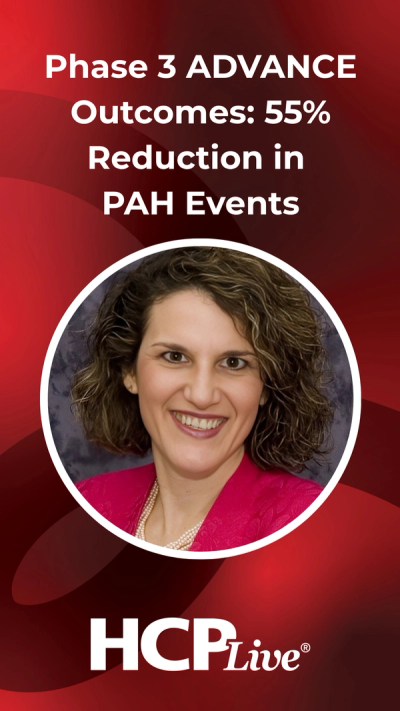
Phase 3 ADVANCE OUTCOMES: 55% Reduction in PAH Events With PAH
4 months ago
by
Vallerie McLaughlin, MD

0:58
Phase 2 ElevAATe: Can We Normalize Alpha-1 Levels?
4 months ago
by
Igor Barjaktarevic, MD, PhD
1:07
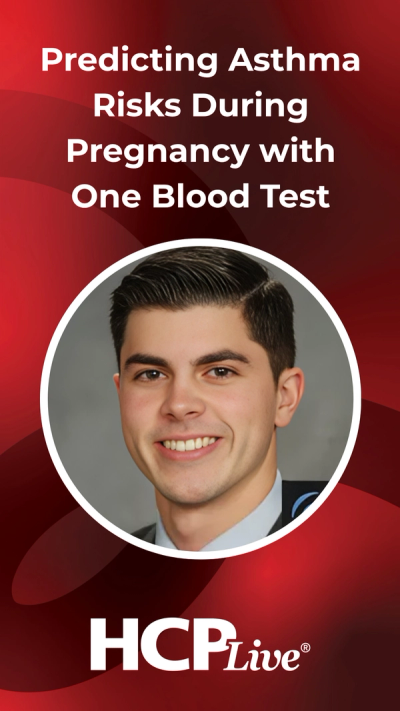
Greater Eosinophils Linked to Greater Pregnancy Asthma Risk
4 months ago
by
Christian Cardillo, MD
1:03
What Phase 4 Data Shows About Tezepelumab for Asthma in Smokers
4 months ago
by
Njira Lugogo, MD

1:15
Race-Based Spirometry May Undervalue Asthma Severity in Black Patients
7 months ago
by
Nicole Ramsey, MD, PhD

1:29
Can an RSV Vaccine Prevent a Heart Attack?
7 months ago
by
Deepak Bhatt, MD, MPH
0:59
Lung Cancer Risk Score with New Calculator Does Not Equal A Diagnosis
7 months ago
by
Jessica Moffatt, PhD
1:09
Bronchodilator Responsiveness Predicts FEV1 Decline in COPD
8 months ago
by
Spyridon Fortis, MD
1:03
The Move to Treatable Traits for COPD and Asthma
10 months ago
by
Andrew (Truong-An) Ho, MD(+2 more)
Podcasts
CME Content




























































Advertisement
More News
Nurse practitioners discuss escalating biologic therapy for asthma and COPD, mucus plugging data, and access barriers.
PAH specialists discuss sotatercept, risk-based escalation, and access barriers shaping pulmonary arterial hypertension care.
The FDA is expected to complete its review by late April 2027, based on positive phase 3 results from the TETON-1 and TETON-2 trials in IPF.
The HCPLive editorial team previews late-breaking abstracts across COPD, asthma, IPF, PAH, and AATD ahead of ERS Congress 2026 in Barcelona.
United Therapeutics' ralinepag NDA rests on phase 3 ADVANCE OUTCOMES data showing a 55% reduction in clinical worsening versus placebo.
Stay updated with the latest healthcare breakthroughs, including a new lerodalcibep FDA approval and phase 3 avexitide data in post-bariatric hypoglycemia.

Pamufetinib 50 mg and 100 mg did not slow FVC decline versus continued nintedanib or pirfenidone in progressive fibrosing ILD, a phase 2b trial found.

PAH specialists discuss upfront combination therapy and the disconnect between guidelines and community practice.

Deupirfenidone 825 mg reduced 26-week FVC decline by 91.0 mL versus placebo in the phase 2b ELEVATE-IPF trial in idiopathic pulmonary fibrosis.

The Fast Track designation adds to LTI-03's prior Orphan Drug status as Rein Therapeutics advances the Phase 2 RENEW trial in IPF.

Academic pulmonologists from Mass General, Duke, and Cleveland Clinic discuss biologic selection, mucus plugging, and more.
Feldman, of UCLA Health, discusses a target trial emulation finding azithromycin outperformed roflumilast at preventing COPD exacerbations.
One year after brensocatib's FDA approval, 2 pulmonologists describe real-world response and a new CHEST guideline.
In RESOLVE-Lung, the anti-GM-CSF antibody namilumab did not reduce rescue events or improve lung function versus placebo in chronic pulmonary sarcoidosis.
Allergist Juanita Mora, MD, breaks down the ALA's COVID-19 prevention campaign — who needs a booster now, and how specialists can close the gap.
Merck's sBLA seeks to extend clesrovimab-cfor (Enflonsia) coverage to children under 2 years at increased risk for severe RSV during their second season.
Tomashefski discusses where AATD diagnoses go missed and why APPs are positioned to close the gap.
Highlights include an exploratory nerandomilast mortality analysis, the first North American bronchiectasis guideline from CHEST, and more.

The conditional recommendations cover antibiotic therapy, long-term prevention strategies, airway clearance, and more.
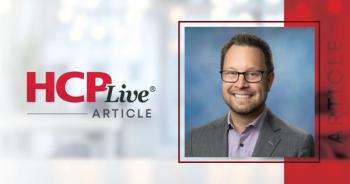
Pooled FIBRONEER trial data show nerandomilast reduced the risk of death by up to 43% versus placebo, though the analysis was post hoc.
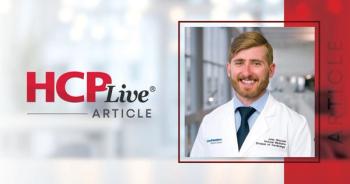
John Giacona, PhD, PA-C, discusses building a comprehensive multidisciplinary care team for interstitial lung disease and how APPs should engage with clinical evidence.
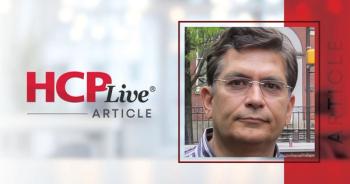
MV130, a sublingual mucosal trained immunity vaccine, showed significant benefits vs placebo, with benefit sustained after treatment ended.
John Giacona, PhD, PA-C, discusses the cardiology perspective on screening for and managing pulmonary hypertension in interstitial lung disease.

Phoenix PAH specialists discuss RHC-guided monitoring, sotatercept shunting and erythrocytosis signals, meth-PAH management, and prostacyclin transition strategies.
PAH specialists discuss prostacyclin use, pericardial effusion risks, erythrocytosis, and what real-world super-responders look like in practice.
Advertisement
Advertisement
Trending on HCPLive
1
The Case for Routine Kidney Screening, With Pranav Garimella, MBBS, MPH
2
FDA Approves Obinutuzumab (Gazyva) for Idiopathic Nephrotic Syndrome
3
Zilurgisertib Receives FDA Approval for FOP in Patients 12 and Older
4
FDA Approves Baricitinib for Adolescents With Severe Alopecia Areata
5