



Pulmonology
Latest News
Advertisement
Latest Videos
Shorts

1:06
Clinical Remission in Asthma Becomes an Achievable Goal
a year ago
by
Linda Rogers, MD
0:50
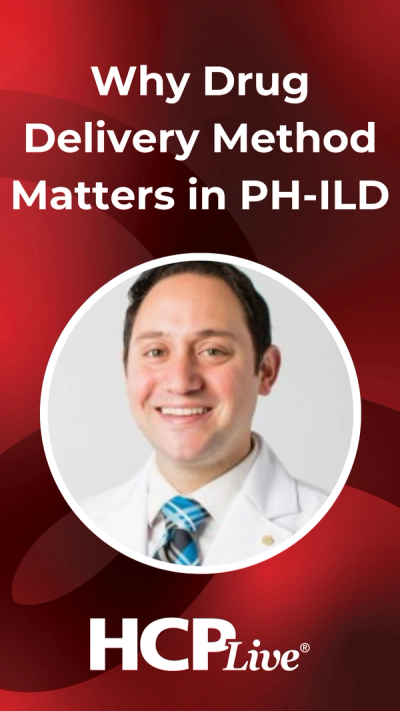
Why Drug Delivery Method Matters in PH-ILD
a year ago
by
Kevin Kunzmann

0:43
A Banner Year for COPD
a year ago
by
Nicola Hanania, MD, MS

1:11
How to Best Identify a Lung Cancer Screening Candidate
a year ago
by
Douglas Wood, MD

0:44
Signs of Poor Air Quality Exposure at the Clinic
a year ago
by
Sarath Raju, MD, MPH

0:45
Finding the Right Use of Catheter-Directed Therapy
a year ago
by
Parth Rali, MD

0:25
Seeing the Whole Picture with New Pulmonary Embolism Trial Data
a year ago
by
Parth Rali, MD
1:01
Talking to Patients About Immunotherapy for Small Cell Lung Cancer
a year ago
by
Jacob Sands, MD(+1 more)

0:47
Challenging Standards in Small Cell Lung Cancer
a year ago
by
Jacob Sands, MD(+1 more)

1:54
Brensocatib Safe for Bronchiectasis
a year ago
by
James Chalmers, MBChB, PhD(+1 more)
Podcasts
CME Content




























































Advertisement
More News
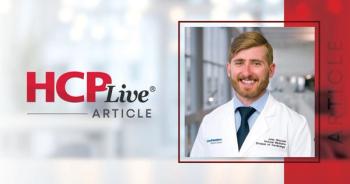
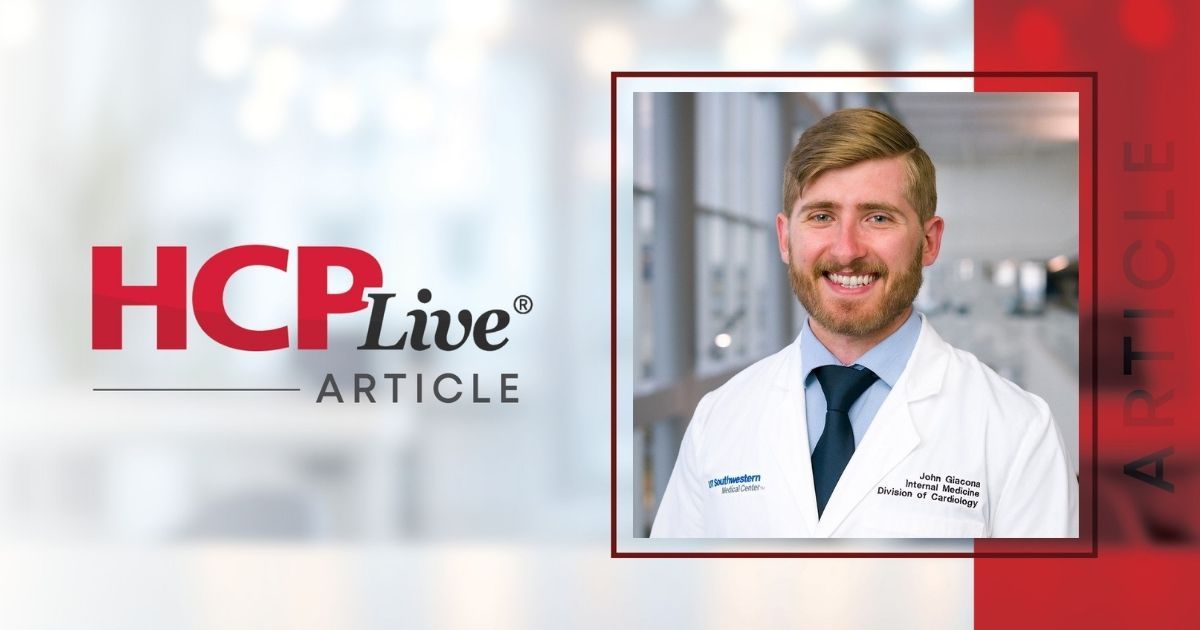
John Giacona, PhD, PA-C, discusses the cardiology perspective on screening for and managing pulmonary hypertension in interstitial lung disease.
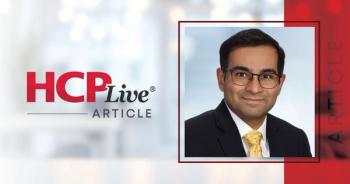
Phoenix PAH specialists discuss RHC-guided monitoring, sotatercept shunting and erythrocytosis signals, meth-PAH management, and prostacyclin transition strategies.
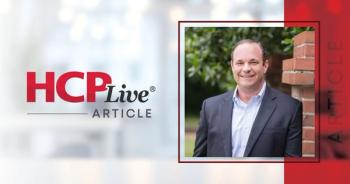
PAH specialists discuss prostacyclin use, pericardial effusion risks, erythrocytosis, and what real-world super-responders look like in practice.
Mohammed Chowdhury, MD, a Temple University cardiologist, says the field is 2 to 5 years from routine clinical integration — but validation and insurance coverage remain the critical hurdles.
APPs discuss insurance barriers, dupilumab as the default COPD biologic, depemokimab adherence advantages, and why pulmonary rehab remains critically underused.

Pulmonologists weigh in on biologic selection, mepolizumab tachyphylaxis, COPD payer barriers, and why asthma outcomes far outpace COPD in real-world practice.
Stay updated with the latest healthcare breakthroughs, including FDA approvals, phase 3 data, and open-label extension results.
New data support advancement of the Phase 3 PALM-PAH trial, a randomized, double-blind, placebo-controlled study now enrolling, with change in 6MWD as its primary endpoint.

Preliminary real-world data presented at EAACI 2026 found broad reductions in respiratory tract infections with OM-85, David Price, MD, said.
Oklahoma APPs share real-world asthma and COPD biologic wins, safety surprises, and insurance hurdles as new twice-yearly options emerge.
June 2026 pulmonology news includes conversations with experts at the ATS and APAPP conferences, and cytisinicline's CRL.
Catch up on key FDA approvals, major trial updates, and critical clinician insights from the last 3 months.
June 2026 pulmonology news includes conversations with experts at the ATS and APAPP conferences, and cytisinicline's CRL.

The status was granted off of data from Swedish snus — a smokeless tobacco product with similar use topography, nicotine content, pH, and systemic nicotine exposure.
Heather O'Connell, PA-C, makes the case that missing rhinitis, nasal polyps, or NSAID sensitivity is costing patients exacerbations and hospitalizations.
The CNP at Cleveland Clinic discusses how early recognition, cross-specialty collaboration, and extended patient engagement make APPs essential in the complex, long-term care of interstitial lung disease.
Panelists reached broad consensus that upfront dual oral combination therapy with an ERA and PDE5 inhibitor remains the foundational standard.
FDA cited manufacturing and labeling issues in its CRL for cytisinicline, with no clinical efficacy or safety deficiencies reported.
Sarah Tomashefski, MSN, says persistent myths about who gets AATD and a failure to screen patients with any obstructive lung disease are driving a diagnostic gap APPs are uniquely positioned to close.
HCPLive convened an in-depth roundtable discussion on advancing biologic therapy for asthma and COPD in a complex real-world prescribing environment.
Pulmonologist David Hill, MD, anticipates cytisinicline's approval ahead of its June 20 PDUFA date.
An expert clinical forum explores recent updates in the field and incorporating sotatercept treatment.

Explore APAPP’s Las Vegas meeting with hands-on POCUS and airway labs, COPD and ILD bootcamps, AI updates, and new therapy insights.

Phase 3 VITESSE subgroup data show response rates of 46% to 48% in children with peanut allergy and concomitant asthma, atopic dermatitis, or food allergies, says David Fleischer, MD.

Octavio Galindo, MD, discusses findings from a prospective Spanish cohort (SENDO) linking high UPF intake to asthma incidence in school-age children.
Advertisement
Advertisement
Trending on HCPLive
1
The Case for Routine Kidney Screening, With Pranav Garimella, MBBS, MPH
2
FDA Approves Obinutuzumab (Gazyva) for Idiopathic Nephrotic Syndrome
3
Zilurgisertib Receives FDA Approval for FOP in Patients 12 and Older
4
FDA Approves Baricitinib for Adolescents With Severe Alopecia Areata
5