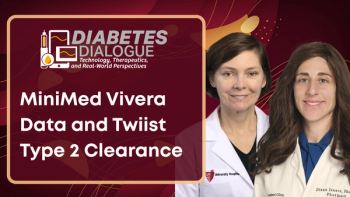
Diana Isaacs, PharmD, and Natalie Bellini, DNP, review early MiniMed Vivera data on optional meal announcements and twiist's new type 2 diabetes clearance.
Contrary to what many peoplethink, trusts are not just for thewealthy. The truth is, people fromall walks of life may benefit from a trust.
Definition of a Trust
A trust is a legal entity that is central toa three-part agreement in which theowner of an asset (ie, the trust's grantor)transfers the legal title of that asset to atrust for the purpose of benefiting one ormore beneficiaries. The trust is then managedby one or more trustees. Trusts maybe revocable or irrevocable and may beincluded in a will to take effect at death.
Revocable trusts can be changed orrevoked at any time. For this reason, theIRS considers any trust assets to still beincluded in the grantor's taxable estate.This also means that the grantor must payincome taxes on revenue generated by thetrust and possibly estate taxes on thoseassets remaining after their death.
Irrevocable trusts cannot be changedonce they are executed. The assets placedinto an irrevocable trust are permanentlyremoved from a grantor's estate and transferredto the trust. Income and capitalgains taxes on assets in the trust are paidby the trust. Upon a grantor's death, theassets in the trust are not considered partof the estate and are therefore not subjectto estate taxes.
The trust's grantor names a trustee tohandle investments and manage trustassets. The grantor can work with thetrustee on major decisions or the trusteecan be assigned full authority to act on thegrantor's behalf.
A trustee may be an entity that offersexperience in such areas as estate tax lawand money management or it may be anindividual such as an attorney or accountant.Trustees have a responsibility, knownas fiduciary responsibility, to act in thegrantor's best interest.
Role of a Trust
Although trusts can be used in manyways, they are most commonly used to:
Different kinds of trusts are designedto meet different needs and objectives. Forexample, if your primary goal is to ensureprivacy in the settlement of your estate orto centralize control of assets, you mightchoose a living trust. A living trust allowsyou to remain both the trustee and thebeneficiary of the trust while you're alive.You maintain control of the assets andreceive all income and benefits. Upon yourdeath, a designated successor trustee managesand distributes the remaining assetsaccording to the terms set in the trust,avoiding the probate process.
As another example, an irrevocable lifeinsurance trust is often used as an estatetax funding mechanism. Under this trust,you make gifts to an irrevocable trust,which in turn uses those gifts to purchasea life insurance policy for you. Upon yourdeath, the policy's death benefit proceedsare payable to the trust, which in turn providestax-free cash to help beneficiariesmeet estate tax obligations.
Scott J. Kleiman is the president of Apollonia Financial Services inElkins Park, Pa. All securities offered through Linsco/PrivateLedger, member SIPC. Past performance is no guarantee of futureresults. The information presented is the opinion of Mr. Kleiman and not that of Linsco/PrivateLedger. He welcomes questions or comments from readers at 800-242-1760.
about 18 years ago
Examine the Current Recruitment Trendsabout 18 years ago
Teach Your Kids Priceless Money Lessonsabout 18 years ago
Recognize a Suitable Employment Offerabout 18 years ago
Grasp the Shaky Economics of Medicineabout 18 years ago
Choose Between a Big Hat or Big Cattleabout 18 years ago
Medicare Payments Under a Cloudabout 18 years ago
Doc Execs Rake It Inabout 18 years ago
Residents: Students or Employees?about 18 years ago
Careful on Medicare Chargesabout 18 years ago
On-Call Physicians Pay