
News|Videos|May 19, 2024
Implications of HBV DNA Integration on Care in 2024
In this segment of our 6-part discussion on updates and unmet needs within the management of hepatitis B virus focuses on how advancing understanding of HBV DNA integration is influencing care in 2024.
Advertisement
Episodes in this series
In recognition of May 19 as World Hepatitis Testing Day and the month of May as Hepatitis Awareness Month, we are launching our latest HCPLive Special Report, which spotlights a conversation between subject matter experts on updates and unmet needs in the management of
Although not discussed with the same frequency and urgency as
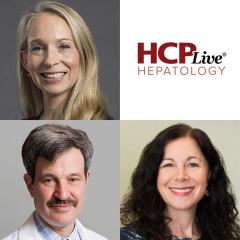
The second in our 6-part series, this segment highlights a portion of the conversation where Nancy Reau, MD, and Andrew Talal, MD, discuss the implications of hepatitis B DNA integration into host cells. When asked by Chari Cohen, DrPH, MPH, Reau explains how the virus integration into DNA can lead to cellular damage and an increased risk of cancer. Reau notes studies indicate longer viral replication results in more integration, but suppressing the virus can reduce this integration and potentially lower cancer risk, which supports early initiation of antiviral therapy. Talal points out understanding integrated DNA is critical, as ongoing research seeks to determine how long treatment is needed to eliminate integrated DNA, whether integration can lead to reinfection without an immune cure, and if the integrated virus can replicate.
In this 6-part discussion, our group of experts tackles the following topics:
Advances in Pathophysiology of Hepatitis B Virus Implications of HBV DNA Integration on Care Improving Hepatitis B Screening and Vaccination Therapeutic Pipeline Updates in Hepatitis B Virus Discussing Unmet Needs in Hepatitis B Role of Advocacy, Patient Voice in Hepatitis B Virus
Panelists:
- Chari Cohen, DrPH, MPH (Moderator): President of the Hepatitis B Foundation.
- Nancy Reau, MD: Richard B. Capps Chair of Hepatology, Associate Director of Solid Organ Transplantation, and Section Chief of Hepatology at Rush University Medical Center.
- Andrew Talal, MD: Professor of Medicine and Founder/Director of the Center for Research and Clinical Care in Liver Disease at the State University of New York at Buffalo - School of Medicine and Biomedical Sciences.
Advertisement
Related to this article
AASLD’s first Expert Practice Opinion adds EUS-guided biopsy and sets no INR or platelet thresholds.
Real-world data from ACG 2026 show elafibranor lowered ALP in patients with PBC who switched from obeticholic acid and in those new to second-line therapy.
In mice, liraglutide reduced steatosis through PPARα without needing iNKT cells, pointing to a possible GLP-1 RA plus PPARα combination.
A Cell Reports mouse study found hepatic steatosis fell without weight loss through separate iNKT cell and GLP-1 pathways.
HARMONY and SYMMETRY data show most early responders to efruxifermin 50 mg maintained fibrosis improvement through 96 weeks, with more responding late.
A propensity-matched TriNetX analysis presented at ACG 2026 found lower MACE and mortality with resmetirom vs semaglutide over 2 years in MASLD/MASH.
Volixibat reduced itch scores vs placebo in patients with PSC and moderate to severe pruritus in the phase 2b VISTAS trial presented at ACG 2026.
Topline data show a 69% placebo-adjusted drop in serum bile acids, with an sNDA planned for the first half of 2027.
Advertisement
Advertisement
Trending on HCPLive
1
Tezepelumab Meets Co-Primary End Points in Phase 3 CROSSING Trial in EoE
2
Revita Reduces Weight Regain After GLP-1 Discontinuation in REMAIN-1
3
Reaching Comprehensive Disease Control in UC, With Stefan Schreiber, MD
4
Biologic Access in Asthma and COPD: Clinical Forum Perspectives
5