

Loss of sense of smell predicts more severe multiple sclerosis.
Loss of sense of smell predicts more severe multiple sclerosis.

The rise in drug resistance against the human immunodeficiency virus (HIV) could have a negative impact on costs associated with the disease.

Studies have shown that HIV increases the risk of confusion and forgetfulness, but new research found that the virus is tied to more serious neurocognitive conditions.
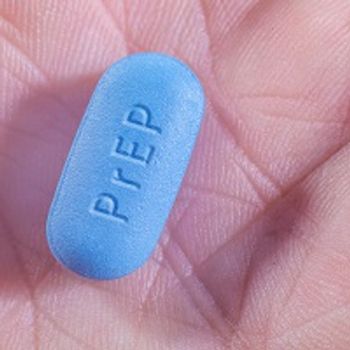
Why do many men decline to use the pre-exposure prophylaxis (PrEP) (Truvada) to reduce their high risk of the human immunodeficiency virus (HIV) infection? A new survey study out of the United Kingdom may have some of the answers.

A new analysis indicates that a 25% reduction in exposure to certain household chemicals would reduce diabetes cases by approximately 13%, enough to save billions of dollars in annual health costs.

A new analysis of records from India and Vietnam has found a significant association between cesarean birth and childhood asthma. Studies of children born in wealthier countries have produced similar results.
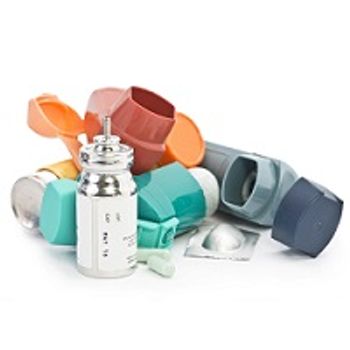
Even patients on low- to medium-dose inhaled corticosteroids administered over a long period could be at risk for adrenal insufficiency.
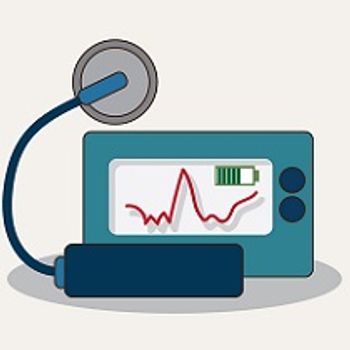
Some have called Medtronics MiniMed 670G an "artificial pancreas." The device is not that. It still requires user intervention. That said, it requires less intervention than any of the devices that have come before it.

The extremely robust connection between AF and ischemic stroke is well-established, but the strength of the connection between AF and TIA had not been quantified to nearly the same degree.

A new analysis finds that patients taking warfarin for their atrial fibrillation are more likely to develop dementia than those taking the drug for treatment of other conditions.
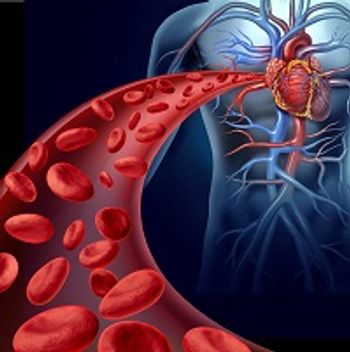
Researchers found that as-needed use of novel oral anticoagulants can effectively lower stroke risk in “motivated†patients with atrial fibrillation.

A trial of patients undergoing radiofrequency catheter ablation found that 90 days of postoperative antiarrhythmic drugs reduces the short-term — but not the long-term — rate of recurrent atrial fibrillation.
A large study found no need for transesophageal echocardiography in atrial fibrillation (AFib) patients who use novel oral anticoagulants for at least 4 weeks before undergoing catheter ablation.

A new trial of the pancrelipase formulation Zenpep found the product to be as safe and effective as Creon for the treatment of exocrine pancreatic insufficiency in cystic fibrosis patients aged 12 years and older.

Analysis of a multicenter cohort indicates that the causes of chronic pancreatitis vary significantly in men and women and that the phenotype of the disease is independent of patient sex.
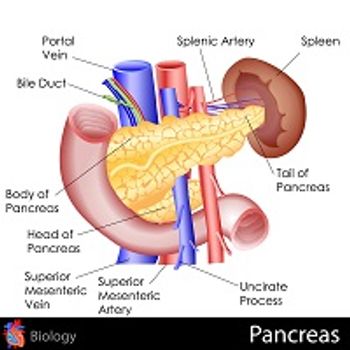
A trial designed to find a quick and definitive way to test for exocrine pancreatic insufficiency in cystic fibrosis patients has instead discovered another feasible method that does not work.
Compared to current guidelines for atrial fibrillation (AFib) detection in patients with ischemic stroke, 10-day Holter-ECG monitoring is superior for a-fib detection.
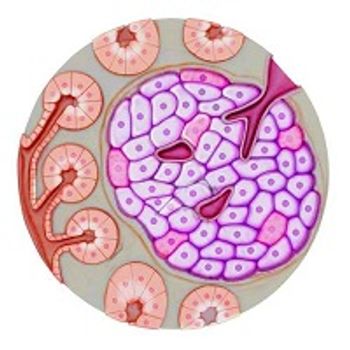
Researchers evaluated the effects of ursodeoxycholic acid supplementation on nutritional status in patients with mild liver disease.

A retrospective analysis of records from more than 55,000 patients indicates that influenza infection increases the risk of developing atrial fibrillation (AF) and that increased vaccination could reduce AF onset.

A new analysis of cohort study data estimates the average annual cost of caring for children with chronic pancreatitis or acute recurrent pancreatitis in the US now approaches $50,000.
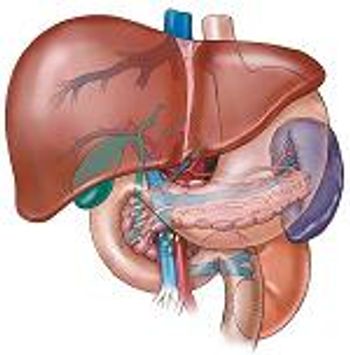
A new randomized controlled trial hints that pancrelipase may do better than conventional pancreatic enzyme supplementation in protecting against non-alcoholic fatty liver disease in pancreatic cancer patients who undergo pancreatoduodenectomy.

A new retrospective analysis indicates that the interval between the diagnosis of persistent atrial fibrillation and the use of catheter ablation is inversely related to the procedure’s chance of long-term success.

Testosterone has long been known to influence levels of aggression in many species, but new research may finally explain how it works, at least in human males.
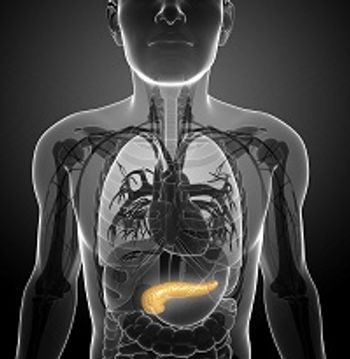
New research from Japan indicates that exocrine pancreatic insufficiency after pancreatectomy may be 1 of several factors that indicates an elevated risk of postoperative hepatic steatosis.
Cystic fibrosis patients who lose pancreatic function are failing to avail themselves of operations that could replace their damaged organs and restore their ability to digest food and manage blood sugar.

Several prior studies have noted that Roux-Y gastric bypass surgery often leaves patients with exocrine pancreatic insufficiency, but new research from Switzerland indicates that different flavors of the procedure expose patients to greatly different risks.

Since the discovery that the relative length of the index and ring fingers may reflect fetal testosterone exposure, researchers have spent a lot of time trying to find correlations between digit ratios and medical outcomes, questionnaire answers, and a host of other things.

A meta-analysis of studies on the effect of testosterone supplementation in older men found broad variations in reported increases in muscle mass and decreases in body fat.

A new analysis of trial data shows that patients with exocrine pancreatic insufficiency benefit about as much from pancrelipase delayed-release capsules (Creon) whether or not they have diabetes mellitus.
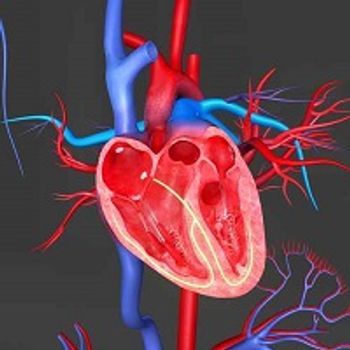
A new tool for assessing the risk of thromboembolic events in patients with atrial fibrillation performed better than the existing standard in a large retrospective analysis. ATRIA risk scores were less likely than CHA2DS2-VASc scores to mistakenly characterize patients as "high risk" and, therefore, to lead to the overuse of anticoagulation.

February 18th 2014

April 18th 2014


