
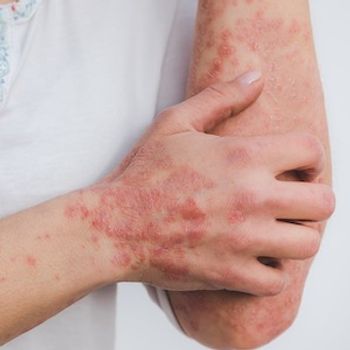
These data were found to be consistent with the findings in the main study, the contents of which suggested the treatments’ interchangeability.
Tim Smith joined the MJH Life Sciences team in 2022 and is currently an associate editor for HCPLive. He is also the executive producer of two podcasts: Skin of Color Savvy and The Medical Sisterhood. Previously, he was the producer of the Lungcast podcast. He graduated from UC Berkeley and worked in multimedia journalism as a staff writer prior to joining MJH. You can contact him at [email protected].
These data were found to be consistent with the findings in the main study, the contents of which suggested the treatments’ interchangeability.

In this interview, Palmer shares several of the key findings and their implications for the future of this patient population.

These new data highlight the efficacy of JNJ-77242113 as a potential oral therapy option for moderate-to-severe psoriasis patients.

The FDA set its target action date for October, with this sNDA being supported by two phase 1 safety studies on AK patients.

This cohort study’s findings highlight the value of a smoking status assessment at the time of melanoma diagnoses.

These data indicate that in the US, the outpatient management of patients with pulmonary embolism identified as lower-risk may continue to be underutilized.
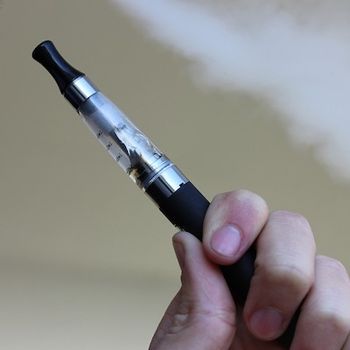
This analysis of trends in e-cigarette prevalence highlights several important trends among smokers, updating the current literature with new information about demographics and other data.
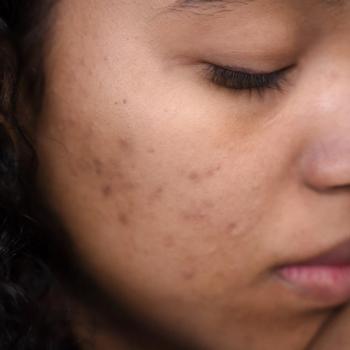
In new guidelines by the AAD, 18 new evidence-based recommendations and 5 practice statements were described for patients 9 years of age and older with acne.

This segment of Eichenfield’s interview features a discussion about the recent announcement of a J-Code for the molluscum contagiosum treatment cantharidin.

In this interview, Eichenfield discussed the recent pooled analysis from two phase 3 studies looking at once-daily, topical roflumilast for patients 6 and older with eczema.

This announcement is part of the overall evaluation period for the treatment, as the PDUFA target action date for pz-cel remains May 2024.
January’s Dermatology Month in Review features 2 major FDA decisions, positive results on a new assessment tool, an evaluation of climate change’s impact on eczema, and more.

This new warning for consumers cautions against use of Rebright, South Moon, or FivFivGo eye drops as a result of potential eye infection risks.

These data highlight the severe economic burden faced by patients with vitiligo compared to that of the general population, including mental health-related costs.

This analysis of current testing patterns in the US suggests a need for future studies to explore the rationale used to determine such testing decisions.

In this feature, we acknowledge the impact of the 1964 Surgeon General report, its subsequent effect on public health, and present-day hurdles to optimized public health efforts through the eyes of our editorial advisory board members and other leading experts.

While this research did culminate in strong evidence regarding weight loss and its effects on lung airway responses, the precise mechanism for this phenomenon remains unknown.

This new research may require additional follow up studies on potential harms, as 63% of those in this study’s electronic cigarette arm continue to use the product at 6 months.

In this segment of Lungcast, guest Sue Padernacht went further into the topic of mental health and burnout among clinicians, highlighting some ways to address the situation.

These data represent a significant step toward finding a causal connection for drug-induced alopecia, though further controlled studies may be necessary to isolate certain variables.

This segment of Lungcast guest Sue Padernacht’s discussion involved the very real topic of burnout among clinicians, as well as defining the differences between stress and burnout.

In this discussion, Soung discusses the VISIBLE study results on guselkumab and its design for individuals of diverse skin tones.

In this analysis, it is suggested that fetal growth trajectories require levels of oxygen promoted by the intake of maternal iron and hemoglobin.

These data were the results of the secondary analysis of the Ritux 3 study, as the treatment’s short-term efficacy and safety had been confirmed previously.

This study contributes to existing climate change data by exploring climatic hazards and their relationship with atopic dermatitis, in addition to highlighting research gaps and future predictions.

This research sheds light on increasing concerns related to maternal COVID-19 infection and its impact on neonates.

These data also showed that basophil activation test can be a particularly precise biomarker of allergy compared to tolerance among children who are egg-allergic children.

This research points to the notion that omalizumab may help individuals in more ways than a reduction of their sinonasal symptoms.
This research into EDS-FLU is significant, as there remain no medications approved by the FDA for chronic rhinosinusitis without nasal polyps.

These data were announced by Johnson & Johnson this week and show several encouraging findings regarding guselkumab’s use among patients of different skin types.