

These data add to the growing body of literature on the impacts of different types of air pollution on respiratory conditions such as COPD and asthma.
Tim Smith joined the MJH Life Sciences team in 2022 and is currently an associate editor for HCPLive. He is also the executive producer of two podcasts: Skin of Color Savvy and The Medical Sisterhood. Previously, he was the producer of the Lungcast podcast. He graduated from UC Berkeley and worked in multimedia journalism as a staff writer prior to joining MJH. You can contact him at [email protected].
These data add to the growing body of literature on the impacts of different types of air pollution on respiratory conditions such as COPD and asthma.

The FDA announcement on bimekizumab’s supplemental Biologics License Application followed the phase 3 BE HEARD I and II studies’ conclusion.

This analysis was conducted to evaluate the burden and disease characteristics of all 3 types of HAE among a set of Canadian patients.

In this Month in Review article for March, news on topics such as asthma and the impacts of pollution in the pulmonology field were highlighted.

These data may have impactful clinical and health policy implications, given that hospitalizations for CAP are known to be common and given the frequency of incorrect diagnoses.
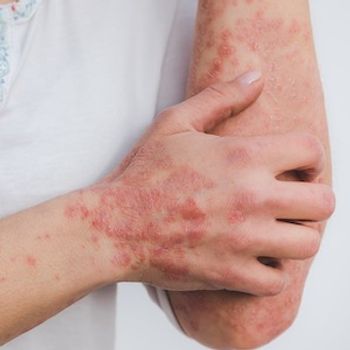
This meta-analysis demonstrates the possibilities for probiotic supplementation, though additional multi-center clinical studies with larger samples may be needed.

This post-hoc analysis of clinical and real-world settings looks at both both biologic-naïve and bio-experienced individuals.

The application for generic roflumilast cream, 0.3%, for plaque psoriasis may end up entitling Padagis to 180 days of market exclusivity.
In this review of the top stories in dermatology in March, several were highlighted such as the recent report on benzene in skincare products and the FDA’s approval of spesolimab for generalized pustular psoriasis.

This post-AAD interview with Chovatiya covered takeaways regarding recent data on upadacitinib for vitiligo, tapinarof for eczema, and lutikizumab for hidradenitis suppurativa.

In this interview segment, Del Rosso further explores the steps patients and clinicians should take in considering the recent Valisure report on benzene risk for skincare products with benzoyl peroxide.
In this interview, Del Rosso expresses his personal views on the recent report of benzene in benzoyl peroxide acne products.
Chovatiya spoke in this post-AAD interview to some of the major takeaways in psoriasis research, highlighting deucravacitinib, bimekizumab, and other therapies.

The investigators seek to replicate the data in a future randomized control trial, and they hope to compare biofeedback to different therapies such as pulmonary rehabilitation.

Following this analysis, the conclusions provide more information on the views of potential dermatology patients on the future of their own medical images by artificial intelligence systems.

In this analysis from the UK, the DDPS led to improved pathway management which also achieved lower service demand and smaller waiting lists for dermatologists.

In this new research, different populations of Black and Latinx individuals are facing long-term impacts of air pollution in the city of Austin.

This segment of Cohen’s interview from AAD covered the other talk given by Cohen titled ‘Knowing Lichenoid Dermatoses: Common Pathways and Treatments.’
In this post-AAD interview, Cohen discusses his contribution to the presentation titled ‘Psoriasis: Modern Therapeutic Approaches.’

The results of this meta-analysis highlight the prevalence of subclinical pulmonary tuberculosis among adult patients, given the poor clinical definition of the condition.

These findings highlight the gaps in care among patients with cancer with regard to smoking assessments.
Approvals by both the FDA and the Chinese NMPA have followed recent clinical trial data on spesolimab injection in GPP patients.
These data indicate that, despite the promise held by AI in dermatological care improvement, further evaluation of training, validation, and ethical issues must be done before it is integrated.

In an announcement by Aquestive Therapeutics, these new findings demonstrated the potential of this orally-administered epinephrine treatment.

These data highlight the risk of anxiety and depression among dermatologists, with notable findings based on gender differences observed among clinicians.
James Palmer, MD, provides perspective on the FDA's decision to approve fluticasone propionate nasal spray for adults with chronic rhinosinusitis without nasal polyps.

In this post-AAD 2024 interview, Stein Gold commented on her team’s two recent sub-analyses of the phase 4 IMMpulse studies on risankizumab for psoriasis.

The results of this analysis highlight the link between patients’ experiences with pruritus intensity and the mental health difficulties such struggles place on patients.

A post-AAD 2024 discussion on the importance of tailoring acne and rosacea management to individual patients’ needs, focusing more attention on diverse skin types and backgrounds.

In this AAD 2024 interview, Bunick highlights several new findings on the use of topical isotretinoin for treatment of congenital ichthyosis.