

These data highlight the efficacy of ritlecitinib for patients with alopecia areata and extensive hair loss at baseline.
Tim Smith joined the MJH Life Sciences team in 2022 and is currently an associate editor for HCPLive. He is also the executive producer of two podcasts: Skin of Color Savvy and The Medical Sisterhood. Previously, he was the producer of the Lungcast podcast. He graduated from UC Berkeley and worked in multimedia journalism as a staff writer prior to joining MJH. You can contact him at [email protected].
These data highlight the efficacy of ritlecitinib for patients with alopecia areata and extensive hair loss at baseline.

These data demonstrate a unique dichotomy between 2 trends associated with gender gaps in the field of dermatology.
In this systematic review and meta-analysis, the clinical efficacy of glucagon-like peptide 1 receptor agonists was evaluated.
These data highlight rates of biologic treatment discontinuation in younger adult patients versus elderly patients, with comparisons drawn between IL-23 inhibitors and IL-17 inhibitors as well.

These data do not support the idea that interferon-beta works as a trigger for psoriasis, though it may have a different influence on psoriasis among those with MS versus those without MS.

This analysis highlights the potential for abrocitinib as an alternative to biologics in the eczema treatment armamentarium.
These data highlight the patterns of treatment as well as prevalence of LPP within the US.
These data resulted from a new meta-analysis in which biologic therapies were shown to be less effective among psoriasis patients with clinical characteristics such as age and BMI.

These data highlight the benefits of utilizing the WI-NRS as an instrument for supporting efficacy endpoints assessing pruritus intensity among prurigo nodularis patients.

These data may require large-scale studies to duplicate the findings, evaluating individuals with psoriasis who had PPM for IE antibiotic prophylaxis.
These data improve existing definitions of the spectrum of cutaneous manifestations reported by patients with VEXAS.

These data, presented at RAD 2024, highlight the potential of delgocitinib cream for patients with chronic hand eczema in terms of patient and clinician reported outcomes.

The FDA provided 510(k) clearance for the COR-12 wireless ECG device, which was now integrated with the SpiroSphere.
These data highlighted which drug, in combination with topical corticosteroids, produced the best efficacy results for those with atopic dermatitis.

These data, presented at RAD 2024, highlight the potential benefits of upadacitinib for adults and adolescents observed in the Measure Up 1 and Measure Up 2 studies.
This approval by FDA officials allows patients an alternative option to pre-filled syringe, which had been the only choice for those with eczema prescribed tralokinumab.
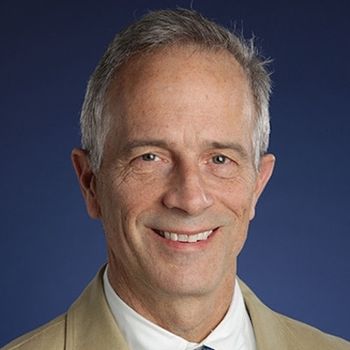
Sidbury covered the similarities and differences between the new guideline updates by the AAD on atopic dermatitis as well as differences with other organizations’ guidelines.
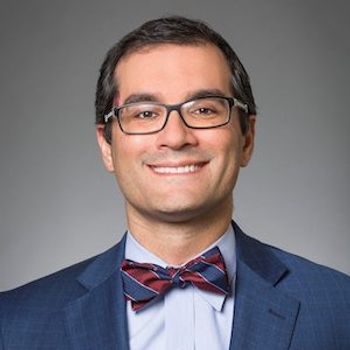
In new late-breaking data, alopecia patients’ real-world incidence of atopic dermatitis was highlighted by investigators.
These data presented at RAD 2024 highlight the differences among eczema patient preferences in terms of administration modes, risk levels, and more.

This late-breaking data featured at RAD 2024 highlights several improvements in patient reported outcomes observed among atopic dermatitis patients, including itch relief.

This interview at RAD 2024 featured a discussion by Bissonnette of recent data related to 4 topical drugs for patients with atopic dermatitis.
In his RAD 2024 talk, Bissonnette presented recent data on 4 topical drugs for atopic dermatitis, including crisaborole and ruxolitinib.

Jonathan Silverberg, MD, PhD, MPH, discusses how the results of the LEVEL UP trial impact treatment decisions for patients with moderate-to-severe atopic dermatitis.
Treating eczema twice-daily with ruxolitinib cream, 1.5% led to positive results for children in the age range of 2 to 11 years.
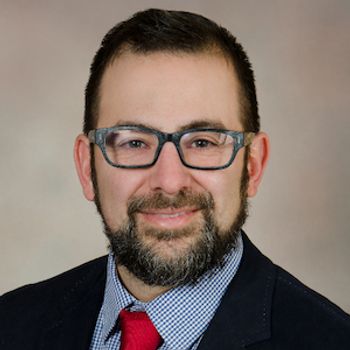
In this open-label extension trial presented at RAD 2024, the long-term safety and efficacy results of roflumilast cream in adults and children with eczema was highlighted.
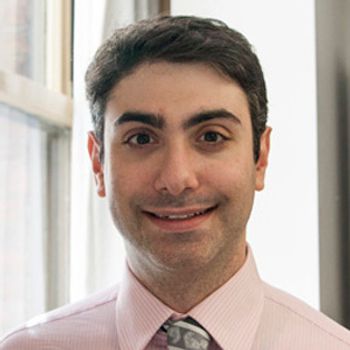
Rosmarin discussed several treatments in development covered in his RAD 2024 presentation for the treatment of patients with eczema.
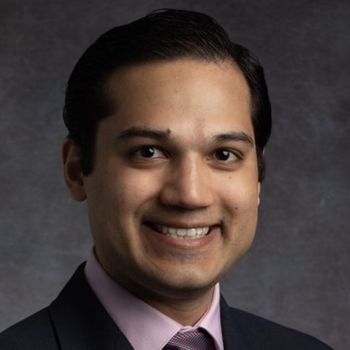
In this interview, Chovatiya spoke about his second RAD 2024 talk regarding achieving remission with currently available eczema treatments.
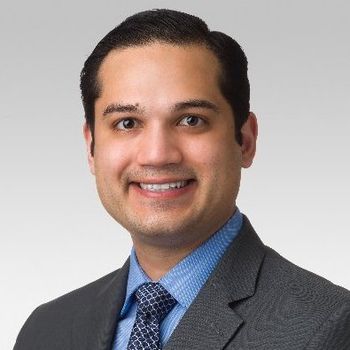
This RAD 2024 interview featured a discussion of currently FDA-approved atopic dermatitis therapies and their comparisons.
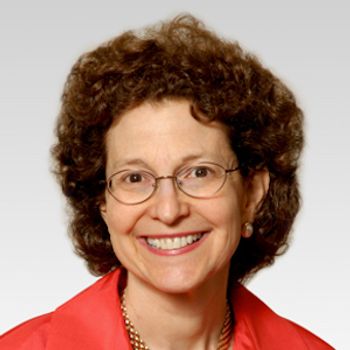
This segment of Paller’s RAD 2024 interview covers tips for treating children with biologics as well as unmet needs of eczema patients and upcoming treatments.
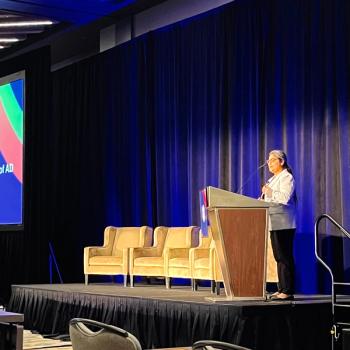
In her presentation at RAD 2024, Singh highlighted ways to manage the atopic comorbidities linked to eczema in children.