

In this analysis, the investigators looked at the impacts of the IL-23 inhibitor guselkumab on patients with psoriasis.
Tim Smith joined the MJH Life Sciences team in 2022 and is currently an associate editor for HCPLive. He is also the executive producer of two podcasts: Skin of Color Savvy and The Medical Sisterhood. Previously, he was the producer of the Lungcast podcast. He graduated from UC Berkeley and worked in multimedia journalism as a staff writer prior to joining MJH. You can contact him at [email protected].
In this analysis, the investigators looked at the impacts of the IL-23 inhibitor guselkumab on patients with psoriasis.

These data suggest the necessity of additional research to explore seborrheic dermatitis as well as its variations among many diverse groups and populations.

These data highlight several key points about COPD and its prevalence, risk, and incidence among plaque psoriasis patients.

In this post-hoc analysis, investigators highlighted benefits of deucravacitinib among those with psoriasis compared to benefits of apremilast.

In this interview, Chovatiya discussed the recent FDA approval of roflumilast cream 0.15% for patients with eczema aged 6 years and older.

These data highlight the determinants and risk factors for admission to hospital among individuals with dermatological emergencies.

This decision by FDA officials resulted from the INTEGUMENT study findings which determined that once-daily roflumilast led to rapid eczema clearance and significant disease reductions.
In this summary of major news in pulmonology covered in June 2024, approvals by the FDA, new episodes of Lungcast, news on COPD, and more are highlighted.

These findings also highlighted the necessity of identifying the clinically relevant comorbidities of asthma and allergic rhinitis in a proactive manner.
Arcutis Biotherapeutics announced the update and indicated the FDA was working to finalize the action letter on July 09, 2024, which was 2 days after the assigned PDUFA date of July 07, 2024.

These updated guidelines by the AAAAI and ACAAI Joint Task Force incorporate additional research regarding treatment options for eczema.
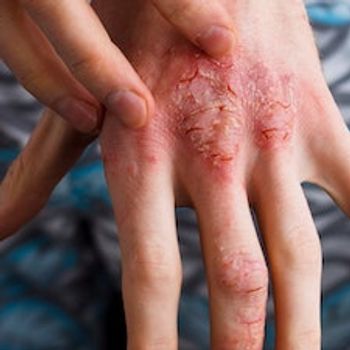
These findings confirm the ways in which patient responses in the head and neck areas contribute to modifications in life quality among those with eczema.

This retrospective study highlighted the results of Singaporean atopic dermatitis patients aged 18 years and below who had undergone phototherapy.
This analysis from Spain assessed the short-term effectiveness and safety of abrocitinib within a real-world setting for those with moderate-to-severe eczema.

These data highlight the results of an international sample of adult patients with allergies to certain food products and caregivers of children with food allergies.
This analysis explores the burden level in pediatric and adolescent eczema patients within Japan, highlighting associated burden on caregivers/families and other factors.

These findings were referenced by skincare brand CeraVe, highlighting the need for skin health education as well as skin health barriers.
These data suggest differences in Medicaid-accepting pediatric dermatologist access based on such factors as geographic area and density of pediatric dermatologists per county.
This summary of major dermatology news covered in June highlights stories such as late-breaking data at RAD 2024, recent interviews, and recent FDA news.
The case series highlighted here was limited due to smaller numbers of participants, necessitating additional real-world data on bimekizumab for psoriasis.

These real-world findings on tildrakizumab’s use among patients with moderate-to-severe plaque psoriasis highlight the drug’s efficacy regarding high burden symptoms.

In this analysis, disparities associated with race, old age, socioeconomic differences, and rural residence were highlighted as examples.

This analysis looked at children 1 to 11 years of age with eosinophilic esophagitis, highlighting the impacts of dupilumab on EoE.

These findings made comparisons between clinical outcomes of interclass and intraclass switching of biologic treatments among individuals with psoriasis.

These data were identified to expand upon existing information regarding treatment options for facial psoriasis and/or genital psoriasis.
Following this post-hoc analysis, additional research may be necessary to assess other safety implications of a dose increase of abrocitinib for atopic dermatitis patients prior to Week 12.
These data suggest that quality of life, assessed by DLQI, may be implemented in determining treatment efficacy among patients with psoriasis.
These data, resulting from a post-hoc analysis, highlighted the musculoskeletal, skin, and nail outcomes among patients with psoriasis and PsA.
The announcement follows the release of the RhodoLED XL red light-emitting lamp, to be used in combination with aminolevulinic acid hydrochloride topical gel, 10% for actinic keratoses
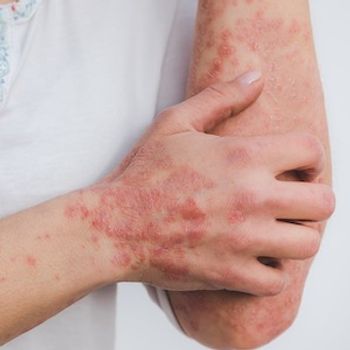
This analysis among Japanese patients highlights the potential of apremilast for psoriasis patients not responding to topical therapy who may have limited systemic treatment options.