

The global, real-world TRACE study was designed to improve the understanding of tralokinumab’s safety, efficacy, and clinical utilization in daily practice for eczema.
Tim Smith joined the MJH Life Sciences team in 2022 and is currently an associate editor for HCPLive. He is also the executive producer of two podcasts: Skin of Color Savvy and The Medical Sisterhood. Previously, he was the producer of the Lungcast podcast. He graduated from UC Berkeley and worked in multimedia journalism as a staff writer prior to joining MJH. You can contact him at [email protected].
The global, real-world TRACE study was designed to improve the understanding of tralokinumab’s safety, efficacy, and clinical utilization in daily practice for eczema.

In her RAD conference interview, Paller describes several treatments featured in her talk on the subject of pediatric eczema.
This interview with Silverberg featured a discussion of new data on systemic therapies for various dermatologic conditions.

In an interview at RAD 2024, Silverberg discusses ways to help patients navigate such comorbidities associated with eczema.

These data indicate the benefits of implementing individual protective measures in winter by patients with COPD.
These data suggest that those with psoriasis maintain an innate psychological vulnerability, indicating the necessity of addressing mental well-being in the disease’s management.

The investigators looked at patients whose severity improved based on either the Physician Global Assessment or the modified Localized Scleroderma Severity Index.

This analysis looked at the efficacy and safety of 200-mg of orally-administered abrocitinib at a rate of once daily, highlighting the drug’s use among patients with CPUO or PN.

These data suggest an association between dietary sodium intake and severity of eczema among patients.

The VIO Skin Platform by Enspectra Health was designed to assess lesions indicating either basal cell carcinoma or squamous cell carcinoma.
This review of May 2024 covered several notable topics in the pulmonary health field, including research into vaping, lung abnormalities, and treatment of COPD.
The month of May 2024 featured several notable studies in the field of dermatology, concerning topics such as a potential eczema flare vaccine, mobile versus in-person health, and skin cancer risk.
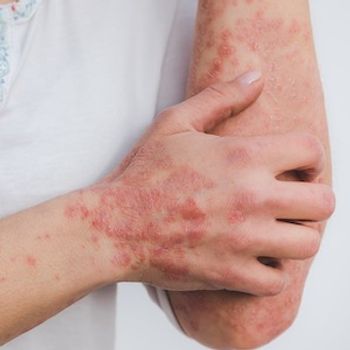
These multicenter, retrospective data highlight the use of guselkumab after discontinuing ustekinumab treatment up to 156 weeks of use.

These new, phase 3 data from Novartis suggest positive results from treatment with oral remibrutinib for patients with chronic spontaneous urticaria.

These findings highlight potential drawbacks of treating psoriasis with phototherapy versus anti-TNFα therapy, though additional research is needed.
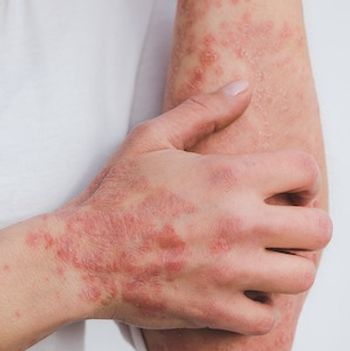
This retrospective, systematic review highlighted the lack of studies specifically addressing the needs of patients with inverse psoriasis.

These data on genetic correlations allow for new genetic evidence connecting psoriasis and patients’ socioeconomic status.

These late-breaking data on drug candidate ENV-101 were presented at ATS 2024 and resulted from a new study on the drug’s effect on individuals with IPF.

More than half of patients recruited for this research showed improvements in wound healing, and a significant number had greater wound stability.

This analysis may help bring to light more specific skin cancer-related data on the underserved population of non-Hispanic Black, or NHB, patients.

This analysis highlights the various factors influencing preferences in skin cancer detection between smartphone applications using artificial intelligence versus dermatologists.

These data highlight the effects of psoriasis on the mental health of adolescents in Denmark.

The announcement from Bristol Myers Squibb indicates deucravacitinib led to significant improvements in patients’ PASI and sPGA scores after 4 years of treatment.

In this analysis of independent risk factors for developing PsA from psoriasis, the use of MRI to detect such factors was noted as helpful for investigators.

These data highlighted patient-reported and clinical outcomes among those with psoriasis, with data drawn retrospectively from Germany, Poland, Czech Republic, Japan, and Canada.

During this interview segment, Alexis was asked how trifarotene, in combination with an appropriate skincare routine, addresses post-inflammatory hyperpigmentation in skin of color.
This interview featured a discussion of Alexis’s team’s findings on the importance of treating patients with skin of color and acne-induced post-inflammatory hyperpigmentation.

These results may support clinical decision-making for psoriasis and nail psoriasis management and may allow future real-world studies to further understand the nature of this skin disease.
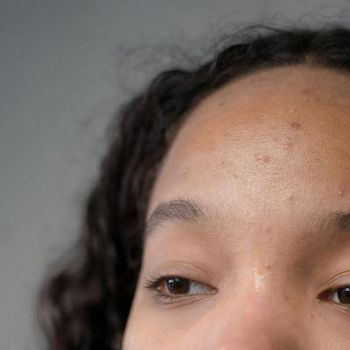
The treatment, made up of clindamycin phosphate, adapalene, and benzoyl peroxide, led to clear or almost clear skin among a significant number of individuals with acne.

In this interview segment, Rigotti discussed the way in which cytisinicline can help adults to quit e-cigarettes and the future of her team’s research on this product.