

In this interview, Yosipovitch discusses his team’s findings on nemolizumab and the significance of the drug’s FDA approval for those with prurigo nodularis.
Tim Smith joined the MJH Life Sciences team in 2022 and is currently an associate editor for HCPLive. He is also the executive producer of two podcasts: Skin of Color Savvy and The Medical Sisterhood. Previously, he was the producer of the Lungcast podcast. He graduated from UC Berkeley and worked in multimedia journalism as a staff writer prior to joining MJH. You can contact him at [email protected].
In this interview, Yosipovitch discusses his team’s findings on nemolizumab and the significance of the drug’s FDA approval for those with prurigo nodularis.

This analysis suggests additional support may be required for tildrakizumab-associated adverse drug reactions, given these new insights.

This study highlights the impact of dietary vitamin E intake on the inflammatory skin condition of atopic dermatitis, also known as eczema.

The results of this analysis can inform clinical decision-making conversations held between patients with eczema and their physicians.

These data highlight the effects on eczema following treatment with dupilumab, tralokinumab, and lebrikizumab in terms of improvements in EASI, IGA, and other measures.

These data suggest that physical activity interventions can lead to visible improvements in PASI scores after 20 weeks of implementation, as well as cardiometabolic improvements.

These data show that izokibep treatment of HS met each of its key primary and key secondary endpoints.

This analysis was conducted to evaluate the effect of pruritus on quality of life ratings among individuals with atopic dermatitis and psoriasis.

In this analysis, the biggest predictors of biologic initiation among individuals with diagnoses of psoriasis were evaluated.

The drug is the first approved monoclonal antibody specifically designed to inhibit the IL-31 pathway, a driver of prurigo nodularis.

This analysis highlights data regarding agreement between various smartphone applications used for detection of melanoma.

In this interview, Kim speaks about the significance of the FDA approval of neffy for patients who face the threat of anaphylaxis and other severe allergic reactions.

This analysis compared drug survival rates of abrocitinib and dupilumab in the treatment of adults with eczema, with different benefits highlighted for both therapies.

In this analysis, investigators compared deucravacitinib in terms of patient-reported outcomes versus those of placebo and apremilast.

These data suggest benefits to pregnant mothers with this condition following early biologic intervention, with treatment leading to rapid refractory pustular psoriasis remission.
The FDA approved epinephrine nasal spray (Neffy) for the emergency treatment of allergic reactions, including anaphylaxis, in adult and pediatric patients who weigh at least 30 kg.
Despite these findings, additional research may be necessary to evaluate emerging therapies and prognostic factors in the management of chronic actinic dermatitis.

In this interview, Chovatiya spoke with the editorial team about the global prevalence findings on patients with seborrheic dermatitis and their implications.

In this analysis, investigators highlighted the perceptions of individuals with HS and atopic dermatitis and assessed higher rates of stigmatization.

These data point to differences between genders such as time to initiation of treatment, treatment choice, response to medication, adverse events, and adherence.

These findings were the result of an active-comparator study, highlighting the benefits of betamethasone versus tacrolimus among patients with eczema.
These data from the United Arab Emirates provide insight into the comorbidities, epidemiology, patterns of treatment, and use of healthcare resources of alopecia areata patients.
This research compared the efficacy among a cohort of individuals with obesity to the general population of adult patients with eczema.
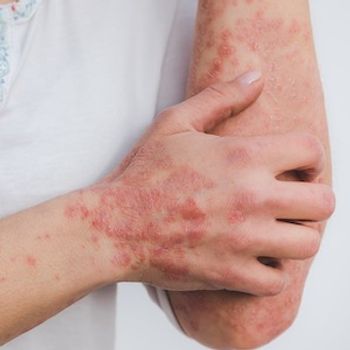
This analysis represents the first to indicate that extending guselkumab can lead to disease activity control among those with early complete skin clearance.

This segment of the latest Lungcast featured a discussion about heat and its interplay with various types of common medications.

This interview segment featured Silverberg discussing the AHEAD atopic dermatitis recommendations and their implications for clinicians and patients.

Silverberg discusses the new AHEAD recommendations for optimizing atopic dermatitis management, highlighting goals, disease severity assessments, and guidance for escalation.
In this Month in Review, the editorial team highlights major news covered in the field of dermatology, including FDA approvals, interviews, and new findings on drugs in the pipeline.

These data also suggest that personalized nutritional advice may be necessary for different individuals, due to the clinical diversity and the impact of differences.
This review of major news in pulmonology from July highlights an FDA decision regarding treatment for vaping dependence, prenatal pollution exposure’s impact on asthma, and more.