

This is the first research to allow for greater insight into the impacts on providers of a nationwide change to an adalimumab biosimilar.
Tim Smith joined the MJH Life Sciences team in 2022 and is currently an associate editor for HCPLive. He is also the executive producer of two podcasts: Skin of Color Savvy and The Medical Sisterhood. Previously, he was the producer of the Lungcast podcast. He graduated from UC Berkeley and worked in multimedia journalism as a staff writer prior to joining MJH. You can contact him at [email protected].
This is the first research to allow for greater insight into the impacts on providers of a nationwide change to an adalimumab biosimilar.

This study provides further support for the efficacy of this biosimilar, allowing for potential future reduction in costs for patients with IBD.

This new research opens the door for further biological agent use in IBD therapy, helping to expand patients’ array of options when seeking IBD treatment in different countries.

This new data indicates both the high mental health burden on this patient population as well as the usefulness of integrated behavioral health care teams in clinics with a pediatric specialty.

This research highlights the close relationship between pollen-induced allergic rhinitis, sensitization, and asthma.
This new data suggests that hospital facilities in the US may need to plan for potentially atypical timing of bronchiolitis season once more for 2023.
In this segment of his interview, Dr. Chovatiya discussed some of the key safety data on secukinumab following the drug’s FDA approval for hidradenitis suppurativa.
In this interview, Dr. Chovatiya responds to questions about the new FDA approval of secukinumab for patients with hidradenitis suppurativa.

This new research sheds light on the importance of follow-up meetings for young patients discharged from emergency departments.
This segment of Dr. Kwatra’s latest interview featured a discussion on the future of prurigo nodularis treatment and the implications of his team’s research.
In this interview, Dr. Kwatra explored the recent phase 3 data from the Olympia 2 study on nemolizumab treatment for patients with prurigo nodularis.

These new results highlight the importance of further examining the link between cyberbullying, social pressures, academic performance, and eczema.

This new data highlights the value of proper counseling regarding possible adverse effects prior to initiation of treatment initiation with JAK inhibitors.
This interview with Dr. Feldman involved a discussion on new findings regarding atopic dermatitis patient preferences and racial disparities in dermatologic care.
In this interview with Dr. Steven Feldman, the latest findings on tralokinumab-ldrm as an atopic dermatitis treatment were discussed.
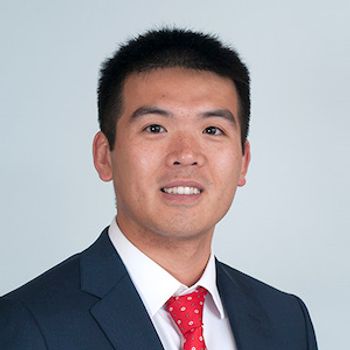
In this discussion, Dr. Jeff Yu explores the topic of atopic dermatitis treatment news and the upcoming decision by the FDA on tapinarof for this skin disease.
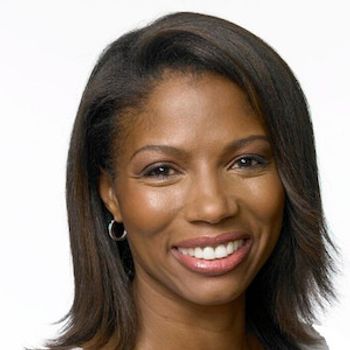
In this Fall Clinical Dermatology Conference interview, Dr. Burgess answered several questions related to aesthetic treatments for patients with skin of color, including specific recommendations.
In this interview, Dr. Yu explains several important pieces of information regarding atopic dermatitis that he believes clinicians should be aware of.

In his ‘Early Dermatology Practice Pearls’ presentation, Dr. Song described tips for dermatologists. In this interview segment, he continues this discussion.
Dr. Song spoke in this segment of his interview on several more insightful elements from his presentation titled ‘Early Dermatology Practice Pearls.’
In this interview segment, Dr. Song provided several unique viewpoints presented in his conference talk ‘Early Dermatology Practice Pearls.’
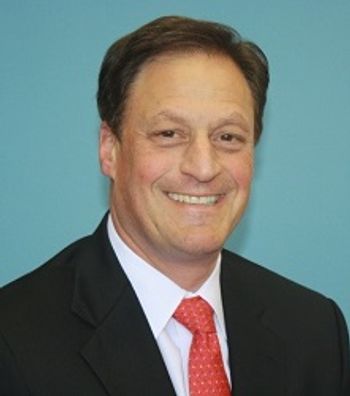
Dr. Eichenfield used this interview segment to respond to the FDA’s recent decision not to approve dupilumab for chronic spontaneous urticaria.
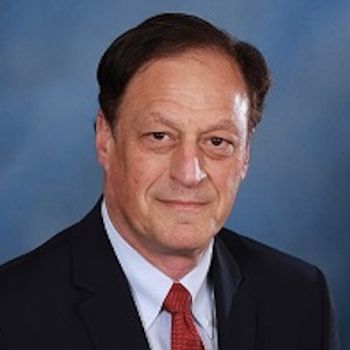
Dr. Eichenfield spoke in this interview segment on the tips shared in his presentation at the Fall Clinical Dermatology conference in Las Vegas.
In this interview, Dr. Eichenfield shared his views on this week’s approval by the FDA of IDP-126 for patients 12 and older with acne.
This interview segment explored the major takeaways from Dr. Chovatiya’s presentation on Type 2 Inflammation in eczema, prurigo nodularis, and chronic spontaneous urticaria.
In this interview segment, Dr. Chovatiya discussed the challenges of diagnosing Type 2 inflammation in several different dermatologic diseases.
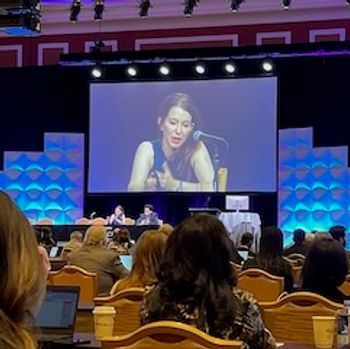
In this talk presented at the Fall Clinical Dermatology conference, Dr. James Del Rosso and Dr. Alexandra Golant debate the benefits of JAK inhibitors and monoclonal antibodies.
In this interview, Dr. Chovatiya touched on several important updates and recent developments in the JAK inhibitor space for dermatologists.
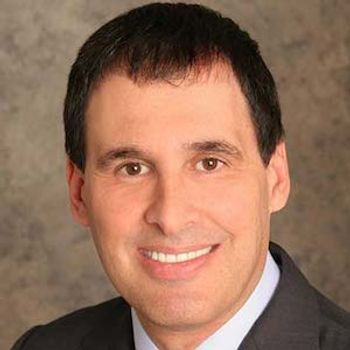
In this interview segment, Dr. Nestor speaks on some of his biggest takeaways from his talk ‘What’s Coming Up Next?’ given at the Fall Clinical Dermatology conference.
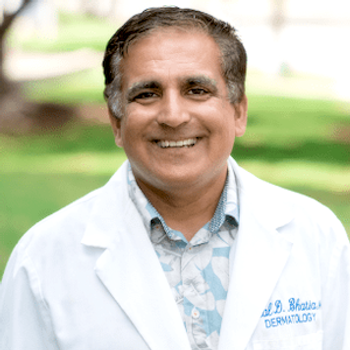
This interview featured a discussion with Dr. Bhatia on the future of actinic keratosis diagnosis and treatment, as well as advances and important facts for clinicians to remember about risk.