

These study results highlight the necessity of raising awareness and implementing public health interventions designed to address respiratory health among this and other populations in early childhood.
Tim Smith joined the MJH Life Sciences team in 2022 and is currently an associate editor for HCPLive. He is also the executive producer of two podcasts: Skin of Color Savvy and The Medical Sisterhood. Previously, he was the producer of the Lungcast podcast. He graduated from UC Berkeley and worked in multimedia journalism as a staff writer prior to joining MJH. You can contact him at [email protected].
These study results highlight the necessity of raising awareness and implementing public health interventions designed to address respiratory health among this and other populations in early childhood.

This research expanded upon existing knowledge from pediatric pulmonary providers regarding wildfire smoke risks and prevention.
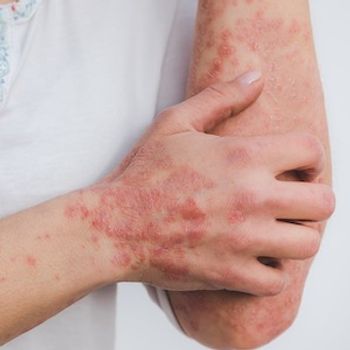
These data on ixekizumab in real-world settings shed light on drug survival information for both those with psoriasis and those with psoriatic arthritis.
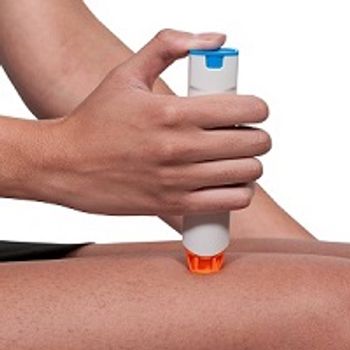
These results provided valuable insights into occupational anaphylaxis through the use of anaphylaxis registry data.

This study looked at results of DOC, allergy risk level risk distinctions, and rationale for families and physicians to move forward with DOC.
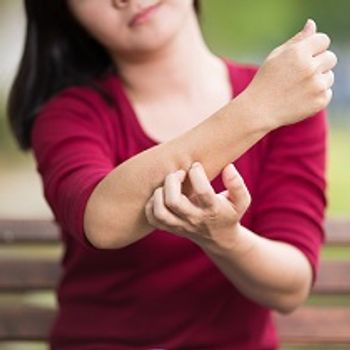
This literature review highlights several of the processes and factors related to the stratum corneum and sensitive, dry, or flaky skin in adults.
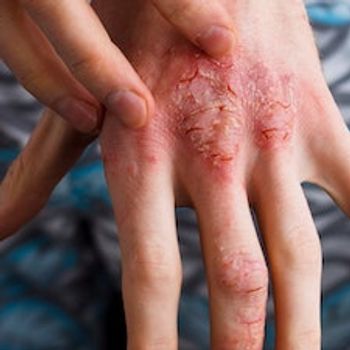
These new data highlight the importance of larger trials to evaluate the persistence of this treatment’s efficacy and safety seen here.

This research letter highlights opportunities for researchers to develop more innovative treatments for skin disease, especially for conditions that have unmet therapeutic needs.
The seismic shifts in mentality for allergy management and the strides made in immunotherapy have kept parents of children with allergies hopeful, but changes are still needed.

The FDA’s approval of Chiesi Global Rare Diseases’ topical gel marks the first approval for the variant of EB known as JEB.

Addressing a lack of quantitative data on AID, this study used validated measures in a real-world setting to corroborate the psychosocial benefits seen in prior qualitative research.

While the ACT program did not benefit patients in the study’s primary outcome measure, it did lead to some other benefits for those with type 1 diabetes.
The decision by the FDA is a step closer to omalizumab’s potential approval, making it the potential first medicine to reduce reactions to many different food allergens after accidental exposure.

These newly-updated parameters were a response by the ACAAI and the AAAAI to recent evidence that had become visible.

The data from these meta-analyses highlight the value of developing systems to promote daily toothbrushing among those who have been hospitalized and, particularly, those on mechanical ventilation.

In this interview, Neal Bhatia, MD, reacts to the FDA’s approval of roflumilast foam as well as the approval’s background and implications for patients with the inflammatory skin condition.
The approval of the once-daily, steroid free foam marks the first approval of a drug by the FDA for the skin condition with a new mechanism of action in around 2 decades.
This announcement may be considered further progress in the implementation of the FDA Overdose Prevention Framework designed to prevent overdoses and reduce mortality.

These data indicate that the early detection of vitiligo may be improved through an assessment of transplant recipients and using a multidisciplinary approach.

These results highlight the potential of preventing increasing CKD burden and of preventing subsequent cardiovascular conditions, especially given current rates of obesity among adolescents.

These data helped to verify the MDRD-4 and CKD-EPI equations’ accuracy in the estimation of GFR among the Brazilian population.

This review of telehealth use among adolescents with allergic conditions synthesized evidence on patients’ transition to self-management of their conditions.
This web-based research is the first conducted to assess the burden of disease and treatment satisfaction among those in Japan with PN.
The submissions to both agencies were based upon positive results from the BASIS trial that had been presented at the American Society of Hematology Annual Meeting.
Given the lack of widespread awareness of the magnitude and prevalence of the public’s stigma toward people with acne, this research sought to expand upon this body of research.
2023 was a year of both advancements and setbacks for various treatments, and this discussion covers the most significant moves by the FDA this year.

These findings presented at ASH show promise for future studies on GBT02601 as a potential alternative to voxelotor for sickle cell disease.

This new data on a European sickle cell disease cohort expands upon existing knowledge of the effects of HU on fertility, with the findings showing the benefits of cryopreservation.

These findings suggest the need for additional clinical evaluations in trials on a larger scale to allow for confirmation of the efficacy and safety of the treatment.

This new data may help to indicate a potential common immunological mechanism, allowing for greater assessment of the effects of therapeutic agents and treatment combinations.