




Atherosclerotic Cardiovascular Disease
Latest News

Advertisement
Latest Videos


CME Content























































Advertisement
More News

Patients with hypercholesterolemia on individualized maximally tolerated dose of statins achieved guideline-recommended LDL-C levels on inclisiran.

Merck’s investigational oral PCSK9 inhibitor reduced LDL-C, non-HDL-C, ApoB, and LP(a) significantly compared to placebo after 24 weeks.

The 2025 Concise Clinical Guidance also aims to assuage vaccine hesitancy and resistance, provide better education, and overcome barriers to implementation.

A recent analysis utilizing the AHA’s PREVENT equations has found 11.8 million US adults aged 40 to 75 had a 10-year ASCVD risk of 5% or greater.
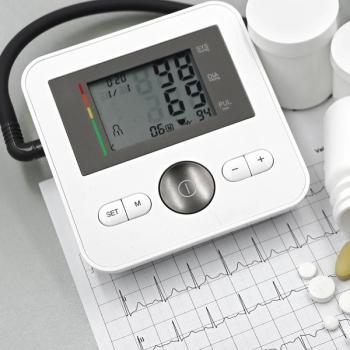
Preliminary findings have also indicated an association between an evolocumab add-on to statin therapy and stenosis degree reduction.


New research shines a light on the liver’s role in cardiovascular disease prevention, indicating a potential new predictor for coronary heart disease.

Healthcare costs and resource utilization were significantly greater in individuals with ASCVD and CKD with systemic inflammation versus those without.
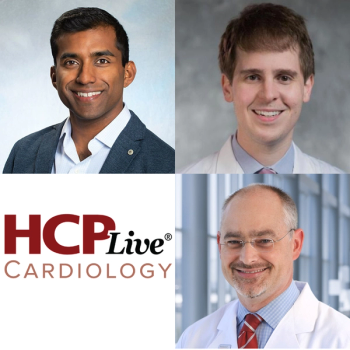
Cohosts Stephen Greene, MD, and Muthiah Vaduganathan, MD, MPH, sit down with Darren McGuire, MD, to discuss the results of this groundbreaking trial.
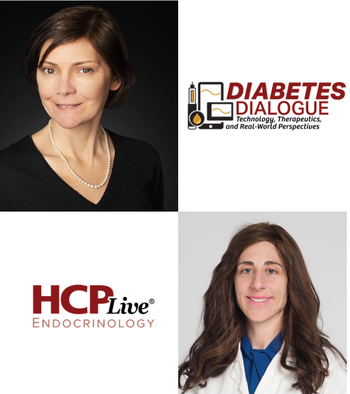
Hosts offer perspective on the topline results from SURPASS-CVOT and what the cardiovascular data on tirzepatide means for care.

Tirzepatide was non-inferior to dulaglutide with an 8% lower rate of MACE-3 events while delivering greater reductions in A1C and weight.
New research highlights significant declines in cardiovascular screenings for U.S. adults with disabilities during the COVID-19 pandemic, revealing ongoing healthcare disparities.

New data from a UMichigan survey found that 8% of preventative aspirin users had not even discussed their use with any health care provider.

New findings reveal semaglutide significantly enhances walking ability and quality of life for patients with T2D and PAD.

Potentially the first successful CETP inhibitor, obicetrapib has shown positive trial results in reducing the risk of cardiovascular disease when combined with statins.

Gulati covers the promises and pitfalls of the healthcare world’s increasing focus on obesity as a disease and the variety of complications to which it gives rise.

Budoff suggests monitoring serum lipoproteins like Lp(a) and ApoB to predict cardiovascular disease risk in patients with no conventional indicators.

The pooled analysis of BROOKLYN and BROADWAY data outline obicetrapib’s impact on HbA1c reduction and a trend toward lower new-onset diabetes risk.

A recent study reveals a significant rise in cardiac deaths at home since the COVID-19 pandemic, highlighting urgent healthcare gaps.

Yale researchers unveil a groundbreaking 3D-bioprinted synthetic aorta, promising revolutionary advancements in cardiovascular disease treatment and patient care.

Discover the critical role of Lp(a) measurement in assessing cardiovascular risk and its potential impact on CVD prevention strategies.

Calprotectin emerges as a promising biomarker for predicting atherosclerotic cardiovascular disease risk, independent of traditional risk factors.

Latest analysis of the HELIOS-B trial finds vutrisiran significantly lowers mortality and cardiovascular events in patients with ATTR-CM.

Olezarsen shows promising results in reducing triglyceride levels for patients with moderate hypertriglyceridemia, offering hope for better cardiovascular health.
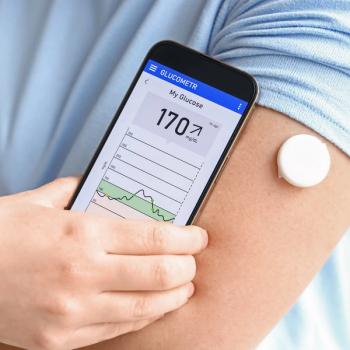
Adult-onset T1D significantly raises cardiovascular disease and mortality risks, highlighting the need for improved management and prevention strategies.
Advertisement
Advertisement
Trending on HCPLive
1
Tilrekimig Meets EASI-75 Goal in Atopic Dermatitis, With Eric Simpson, MD
2
Tips on Optimizing HS Biologics, Combinations, and Surgery
3
FDA Approves Once-Monthly Subcutaneous Olanzapine for Schizophrenia
4
FAQ: ASH's New Ferritin Thresholds, With Jacquelyn Powers, MD, MS
5