





Diabetic Macular Edema
Latest News

Advertisement
Latest Videos





CME Content




























































Advertisement
More News

Results from the 2-year retrospective cohort study showed patients with DME and extremely high or low eGFR had a greater decline in eGFR.

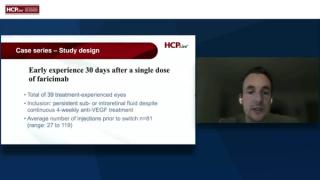
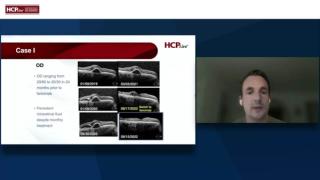
A treat-and-extend faricimab regimen may improve functional and anatomical outcomes at 1 year in patients with DME recalcitrant to aflibercept treatment.


With approval, aflibercept 8 mg becomes the first and only treatment approved in wet AMD and DME for immediate dosing at 8-week and up to 16-week intervals following 3 initial monthly doses.

Initial real-world experience with ranibizumab biosimilar agents revealed no unexpected adverse outcomes across 16 retina centers, with similar efficacy to reference ranibizumab.

Results from the CT-P42 3.1 Study indicate the therapeutic equivalence of the aflibercept biosimilar, CT-P42, to the reference product in eyes with DME.

In this episode, host Veeral Sheth, MD, and producer Connor Iapoce discuss 5 presentations from ASRS 2023. The discussion centered around new data on geographic atrophy therapies, novel agents for DME, and the feasibility of home OCT.

Experts discuss prospective therapies for age-related macular degeneration (AMD) or diabetic macular edema (DME) treatment.

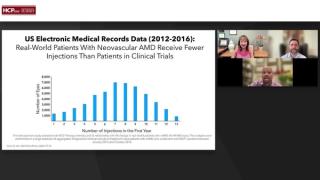
Experts discuss the recent PULSAR and PHOTON studies with high dose aflibercept (8mg) and how they educate patients about this treatment approach.

Real-world data show the benefits of DEX implants prior to cataract surgery to achieve sufficient postoperative inflammation management and limit deterioration.

Each month, our editorial staff compiles a recap of the top news in ophthalmology from the past month. Our July 2023 month-in-review features a recap of conference coverage from the ASRS 41st Annual Scientific Meeting.

Results from the real-world AUSSIEDEX study suggest dexamethasone implant significantly improved anatomic outcomes at 52 weeks and showed no new safety concerns.

Large learning model-based platforms provide largely inaccurate responses to questions concerning vitreoretinal disease and remain inconsistent on repeat queries.

New study data indicate the growing knowledge of artificial intelligence chatbots in ophthalmology. We are joined by 3 study investigators to discuss what this could mean for the field overall and its impact on patient care.

Experts discuss clinical trials on the efficacy of faricimab and how they utilize this therapy in their practice.

Experts discuss insurer mandated step therapy and how to navigate treatment options for patients with diabetic macular edema (DME).
New 96-week data from PULSAR show patients treated with aflibercept 8 mg achieved good durability and maintained visual acuity gains from year 1 through year 2 of study.

Anatomic and visual improvements with high-dose aflibercept in CANDELA indicate a potential therapeutic benefit over aflibercept 2 mg, despite not achieving statistical significance.

Results from FARETINA-DME indicate a majority of eyes with DME began extending treatment intervals after 1-2 initial doses of faricimab.
Positive topline results from the phase 3 trial suggest once-daily OCS-01 met both primary trial endpoints for the treatment of inflammation and pain following cataract surgery.

Data from PK profiles and safety analyses of intravitreal sozinibercept suggest the promise of the drug in combination with standard anti-VEGF agents for AMD and DME.

Presented at ASRS 2023, results from the phase 2 ZETA-1 trial showed oral APX3330 missed its primary endpoint, but the consideration of a binocular treatment effect may warrant further clinical development.

Presented at ASRS 2023, results from a posthoc analysis of YOSEMITE/RHINE suggest a potential anti-fibrotic effect of faricimab versus aflibercept in eyes with DME.

Presented at ASRS 2023, study data showed a single, in-office injection of RGX-314 gene therapy may have long-lasting improvements in diabetic retinopathy severity.

Presented at ASRS 2023, additional results from the Pagoda and Pavilion trials suggest a potential benefit of PDS for patients with DME and diabetic retinopathy.
Advertisement
Advertisement
Trending on HCPLive
1
The Case for Routine Kidney Screening, With Pranav Garimella, MBBS, MPH
2
Anti-Alpha-Gal Antibodies Block IgE Binding in Alpha-Gal Syndrome
3
Nearly 9 in 10 US Adults With CKD Don't Know They Have It, With Pranav Garimella
4
Weekly Insulin Efsitora Alfa (Onswik) Gains FDA approval for Type 2 Diabetes
5