
Endocrinology
Latest News
Advertisement
Latest Videos
Shorts
1:33
Dexcom G6 is Retiring: The End of an Era for CGM Users
9 months ago
by
Diana Isaacs, PharmD, BCPS, BCACP, BC-ADM, CDCES(+1 more)
1:02
Diabetes Dialogue: Retatrutide’s Impact on Osteoarthritis in TRIUMPH-4
9 months ago
by
Diana Isaacs, PharmD, BCPS, BCACP, BC-ADM, CDCES(+1 more)
0:52
Insulet Announces Next-Gen Omnipod 6 Coming in 2027
10 months ago
by
Diana Isaacs, PharmD, BCPS, BCACP, BC-ADM, CDCES(+1 more)
2:08
The Biggest Challenges Facing New Insulin Pumps
10 months ago
by
Diana Isaacs, PharmD, BCPS, BCACP, BC-ADM, CDCES(+1 more)

1:36
Semaglutide Misses Mark for Alzheimer Disease in evoke Trials
10 months ago
by
Diana Isaacs, PharmD, BCPS, BCACP, BC-ADM, CDCES(+1 more)

1:04
Simplifying Oral Semaglutide for Everyday Use
a year ago
by
Diana Isaacs, PharmD, BCPS, BCACP, BC-ADM, CDCES(+1 more)
1:11
FDA Approves First Oral GLP-1 for Cardiovascular Health
a year ago
by
Diana Isaacs, PharmD, BCPS, BCACP, BC-ADM, CDCES(+1 more)

0:46
Does Semaglutide Have Cardiovascular Benefits?
a year ago
by
Diana Isaacs, PharmD, BCPS, BCACP, BC-ADM, CDCES(+1 more)
0:58
Biolinq Shine: The Future of Glucose Monitoring?
a year ago
by
Diana Isaacs, PharmD, BCPS, BCACP, BC-ADM, CDCES(+1 more)
1:23
Weekly Insulin: A Game-Changer for Diabetes Management
a year ago
by
Diana Isaacs, PharmD, BCPS, BCACP, BC-ADM, CDCES(+2 more)
Podcasts


CME Content




























































Advertisement
More News

Shahla discusses a recent real-world study analyzing the clinical outcomes of patients prescribed paltusotine after its September 2025 approval.
Silverstein addresses a secondary analysis of the GRACE trial, highlighting relacorilant’s efficacy in reducing cortisol in patients taking GLP-1 RAs.
Joshi explains the narrow window of optimal iodine levels, highlighting the risk posed by supplements and iodized salt in tipping the scales toward health risks.
Isaacs covers the range of AID devices currently available and approved for T2D, providing suggestions for implementation and continuous glycated hemoglobin monitoring.

Viral Shah, MD, joins the show to break down his AACE 2026 presentation on the benefits of using GLP-1 RAs in patients with T1D.

FDA cleared Control-IQ+ for pregnancy in type 1 diabetes, expanding automated insulin delivery options during gestation.

Elizabeth Bauer, MD, joins the show to discuss her AACE 2026 presentation on key updates in obesity management and nutrition.
Auchus discusses the 2-year results from CAHtalyst Adult, highlighting the substantial retention rates over the open-label extension period.
Isaacs explains how prediabetes care is shifting toward early intervention, risk stratification, and prevention of cardiometabolic disease, not just progression to diabetes.

Hamidi reviews 2-year CAHtalyst data showing crinecerfont enabled sustained glucocorticoid reductions to physiologic range in adults with classic congenital adrenal hyperplasia.

Linda DiMeglio, MD, MPH, joins the show to discuss the growing movement towards screening and testing for T1D at an early stage.

New real world data suggest GLP-1 RAs do not drive DKA or pancreatitis risk in adult patients with type 1 diabetes and may reduce hospital admissions.

Shah discusses the potential of GLP-1 receptor agonists as adjunctive therapy in type 1 diabetes, from glycemic control to cardiometabolic risk.
Mechanick discusses the importance of dietary interventions in endocrinology and highlights the need for further education and awareness of metabolic function.
Galindo describes how CKM may transform diabetes care by enabling real-time insights, improving DKA prevention, and advancing metabolic understanding.

Recent data presented at AACE 2026 have indicated the efficacy of GLP-1 RA treatment in reducing risk of diabetic retinopathy, renal disease, and others.

A recent study presented at AACE 2026 has displayed the IGF-1R’s capacity for improving proptosis and disease activity in patients with poorly-controlled TED.
RCTs show intermittent fasting and calorie restriction yield similar HbA1c and cardiometabolic outcomes in type 2 diabetes, with modest, nonsignificant weight differences.
Results from the 52-week open-label extension trial highlight strong safety and efficacy outcomes with lonapegsomatropin in adults with growth hormone deficiency.
Sood discusses the FDA expansion of teplizumab to children as young as age 1 with stage 2 T1D and the implications for early intervention and delaying disease progression.

Propensity-matched data link empagliflozin to lower risk of CV events, AKI, and other outcomes versus dapagliflozin in type 2 diabetes.

A recent presentation at AACE 2026 highlights the drastically increased risk of mortality, sepsis, diabetic ketoacidosis, and recurrent acute pancreatitis after GLP-1 initiation.

A recent study from AACE 2026 has indicated the value of bariatric surgery in adults with type 1 diabetes – and emphasized the need for closer perioperative management.

Teplizumab is now approved to treat stage 2 type 1 diabetes in kids 1 year and older.
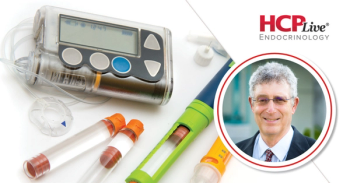
INHALE-1: Afrezza Safe but Misses HbA1c Endpoint in Children With T1D or T2D, With Roy Beck, MD, PhD
Beck discusses the recently presented results of INHALE-1, in which technosphere insulin failed to prove noninferiority to RAA but had no pulmonary effects.
Advertisement
Advertisement
Trending on HCPLive
1
EMBARQ-CSU: Barzolvolimab Meets Primary, Secondary Endpoints in CSU Trials
2
FDA Updates Sotatercept Label with HYPERION Data in Early PAH
3
ProACt Data Show Early Functional Gains with Adjunctive Cariprazine In MDD
4
Half-Life vs. Real Life: How Real-World Evidence Is Reframing Wet AMD Treatment
5