



Hepatology
Latest News
Advertisement
Latest Videos



CME Content




























































Advertisement
More News

Stay updated with the latest healthcare breakthroughs, including FDA approvals and new phase 3 clinical trial data, in this week's essential news roundup.

Successful HCV treatment with DAAs was associated with reduced risks of CKD, stroke, major adverse cardiac events, and neurocognitive disorders.
The label expansion makes glecaprevir/pibrentasvir the first and only oral 8-week pangenotypic treatment option approved for people with acute or chronic HCV.

Mortality from ALD rose significantly across most demographic groups in the US from 1999 to 2022, especially during and following the COVID-19 pandemic onset.
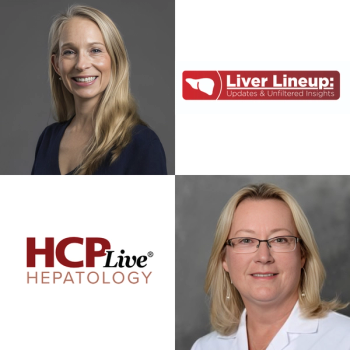
In the second part of a 2-part episode, hosts Kimberly Brown and Nancy Reau break down 3 more notable abstracts from the 2025 EASL Congress.
The month in review spotlights hepatic podcast episodes from HCPLive, new clinical trial data, and coverage from DDW.

Alkhouri reviews data from the trial’s open-label compensated MASH cirrhosis arm demonstrating resmetirom’s impact on liver stiffness and CSPH.
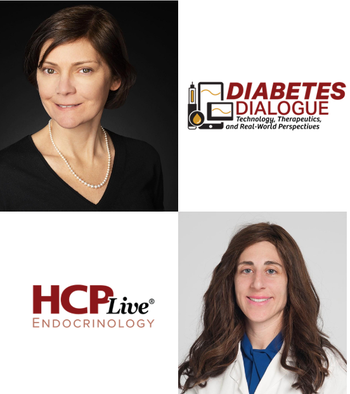
Hosts discuss a consensus repot from the ADA focused on screening and early interview of MASLD in people with diabetes.
Hosts Kimberly Brown and Nancy Reau break down 4 of the top abstracts presented at the 2025 European Association for the Study of the Liver (EASL) Congress.

Gyre Therapeutics plans to file an NDA in China based on the phase 3 CHB data and, pending IND clearance, is looking to initiate a phase 2 MASH fibrosis trial in the US.
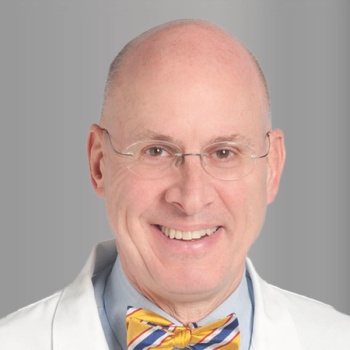
Stoller describes the potential of a novel AI model to help address AATD underrecognition, citing findings from his research on its performance in a Cleveland Clinic cohort.

Banerjee describes the value of multiorgan MRI for predicting cardiac and liver outcomes and cT1’s prognostic utility in liver disease.

Levy explains the unmet need for effective PSC treatment options and reviews new data from the phase 2 ELMWOOD trial of elafibranor in PSC.
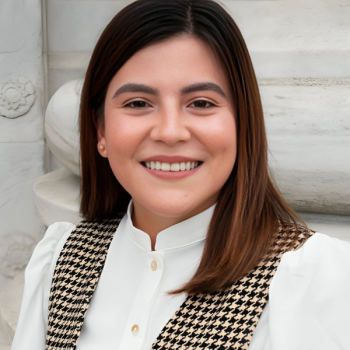
The Amsterdam-Oxford Model successfully predicted adverse outcomes in a US cohort of PSC patients, validating its generalizability.

Use of efruxifermin did not result in a significant reduction in fibrosis without worsening of MASH at week 36 compared with placebo in the phase 2b SYMMETRY trial.
Findings suggest sleep disorders are common in PBC and are linked to worse biochemical markers, greater symptom burden, and reduced treatment response rates.
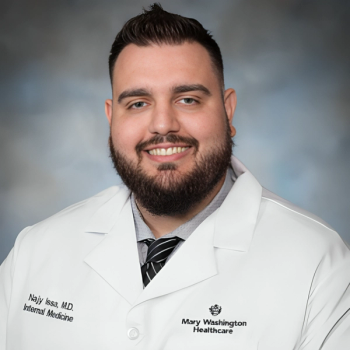
Najy Issa, MD, describes “underwhelming” universal HBV screening uptake since 2023 CDC guidelines were implemented and steps to get more patients screened.
Mazen Noureddin, MD, MHSc, reviews findings from a phase 2 study of efimosfermin alfa (BOS-580) for F2/F3 fibrosis due to MASH.

Findings from a posthoc analysis of 2 phase 3 trials suggest seladelpar monotherapy has similar safety and efficacy to seladelpar combined with UDCA.

Zhang describes the importance of multidisciplinary care for preventing alcohol relapse post-transplant, citing success from Mass General’s LIFT Clinic.

FibroX showed superior performance, interpretability, and potential cost savings relative to FIB-4, improving risk stratification and management in MASLD.
The month in review spotlights hepatic FDA and pipeline news as well as new research on alcohol and obesity's impact on liver health and PBC.
Liver Lineup: Updates & Unfiltered Insights is a hepatology podcast from HCPLive hosted by Nancy Reau, MD, and Kimberly Brown, MD, exploring the latest news and research in liver disease.
In this episode, hosts explore the promise of semaglutide 2.4 mg in improving liver outcomes for MASH in the Phase 3 ESSENCE trial.
New Phase 3 trial results reveal semaglutide's effectiveness in treating metabolic dysfunction-associated steatohepatitis, offering hope for millions.
Advertisement
Advertisement
Trending on HCPLive
1
The Case for Routine Kidney Screening, With Pranav Garimella, MBBS, MPH
2
Anti-Alpha-Gal Antibodies Block IgE Binding in Alpha-Gal Syndrome
3
Nearly 9 in 10 US Adults With CKD Don't Know They Have It, With Pranav Garimella
4
Weekly Insulin Efsitora Alfa (Onswik) Gains FDA approval for Type 2 Diabetes
5