




Hepatology
Latest News
Advertisement
Latest Videos



CME Content




























































Advertisement
More News

The cross-sectional analysis of NHANES data highlights obesity and overweight’s influence on the development of obesity-related conditions in US youth.
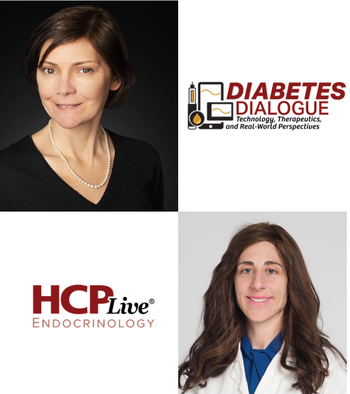
This episode highlights the groundbreaking approval of semaglutide for metabolic dysfunction-associated steatohepatitis, as well as GoodRx’s new Ozempic pricing.
Hosts Nancy Reau and Kimberly Brown are joined by Mary Rinella to discuss the evolving MASH treatment landscape with GLP-1s and FGF21s in development.

The accelerated approval is based on findings from Part 1 of the ESSENCE trial and indicates the agent for noncirrhotic MASH with moderate to advanced fibrosis.
Cholesterol in liver fat droplets has been found as a key driver of liver inflammation and fibrosis.

Co-locating ID screening in an inpatient SUD program resulted in timely identification of and linkage to care for viral hepatitis and latent tuberculosis.
Check out expert perspectives and new research on hepatitis C, cirrhosis, and more in this July 2025 recap.

Study findings suggest significant sex disparities in liver complication risk among adult patients with cirrhosis, especially in the context of nonviral cirrhosis.

The unsaturated fats from vegetable oils reduce inflammation and influence organ metabolism, resulting in lowered ALT, AST, and TBIL indexes.

A multidisciplinary care program achieved a 95% cure rate with Sofosbuvir/Velpatasvir therapy.

Deming explains drivers of new infections, systemic barriers impeding progress, and the changes she believes are needed to aid elimination efforts.

Holden describes the importance of including SLD in global health policy frameworks and how a side event at the 78th WHA sought to address current gaps.

Sanyal describes the growing burden of SLD and its connection to other major chronic diseases, underscoring the need for better recognition and prevention efforts.

Nearly 13 million people received DAA treatment in the last 10 years, representing 21% of the starting 62 million people with chronic HCV and 30% of the target population.

Female sex and recent pregnancy were independent risk factors for reduced likelihood of DAA prescription among people with HCV entering opioid use disorder treatment.
Hosts Kimberly Brown and Nancy Reau discuss policy, clinical, and structural milestones enabling HCV elimination efforts and critical gaps impeding progress.

Study findings highlight the cost-effectiveness of more frequent HCV testing among people who inject drugs compared with no testing and less frequent testing.

Nontargeted screening identified more HCV infections than targeted screening, but both approaches led to minimal linkage to care and SVR12.
The first half of 2025 recap for hepatology spotlights FDA approvals, clinical trial updates, and the 1-year anniversary of resmetirom.
The Q2 recap for hepatology spotlights regulatory approvals, clinical trial updates, and the launch of HCPLive’s flagship hepatology podcast.
The month in review spotlights hepatic regulatory news, new clinical trial data, and novel research about liver disease risk factors.

Patients with cirrhosis receiving diuretics and SGLT-2 inhibitors experienced lower rates of serious liver events than those not taking SGLT-2 inhibitors.

Positive topline results show the trial met its primary endpoint for MASH resolution and fibrosis improvement, with significant weight loss effects without plateauing.

Topline data from the phase 1b study for the final 400 mg dose cohort demonstrate favorable safety, tolerability, and pharmacokinetics similar to the 150 mg dose cohort.

A recent cross-sectional analysis has estimated the size of the American population with both MASLD and T2DM eligible for treatment.
Advertisement
Advertisement
Trending on HCPLive
1
The Case for Routine Kidney Screening, With Pranav Garimella, MBBS, MPH
2
Anti-Alpha-Gal Antibodies Block IgE Binding in Alpha-Gal Syndrome
3
Nearly 9 in 10 US Adults With CKD Don't Know They Have It, With Pranav Garimella
4
Weekly Insulin Efsitora Alfa (Onswik) Gains FDA approval for Type 2 Diabetes
5