
Hepatology
Latest News
Advertisement
Latest Videos


CME Content




























































Advertisement
More News
Mayo explains findings from a pooled analysis of pruritus data from RESPONSE and ENHANCE highlighting seladelpar’s impact on itch in PBC.
Markov model findings showed elafibranor provided greater health benefit at a lower cost than seladelpar in ursodeoxycholic acid incomplete responders.
Using AI to Improve Risk Stratification, Disease Management in MASLD, With Basile Njei, MD, PhD, MPH
Njei explains the utility of Fibro-GPT for detecting advanced fibrosis and predicting hepatic decompensation in MASLD.
Real-world data suggest adding fibrates to first-line UDCA incurs several clinical benefits, including reductions in spontaneous bacterial peritonitis and hospitalizations.
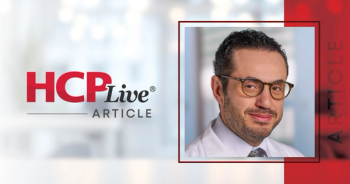
Findings from a prespecified analysis of the phase 3 MAESTRO-NASH trial highlight resmetirom’s consistent benefit with background SGLT2i or GLP-1 RA treatment.
View slated expert interviews and 6 clinical GI, hepatology, and endoscopy trials to watch at ACG 2025.
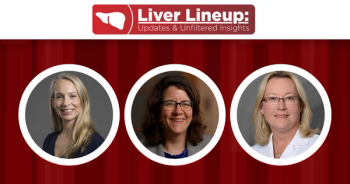
Mellinger joins Liver Lineup to discuss current shortcomings in ALD diagnosis and care, the importance of addressing underlying alcohol use disorder, and more.

High intake of both sugar-sweetened beverages and low- or non-sugar-sweetened beverages was linked to greater MASLD risk.
The Q3 recap for hepatology spotlights key FDA news, the withdrawal of OCA for PBC, and notable hepatic research from the past few months.

An audio recap of the top 5 stories in healthcare news from the week of 9/28-10/04.
New research reveals GLP-1 receptor agonists may protect the liver from alcohol damage while increasing blood alcohol levels, prompting further human studies.
Researchers unveil Bobcat339, a targeted molecule that selectively eliminates pathogenic macrophages.
Read about hepatic FDA news, the voluntary withdrawal of obeticholic acid for PBC, new trial data for a potential AATD drug, and more.
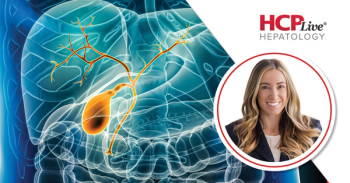
Janovsky describes the importance of early identification, the new treatment options available for MASH, and the continued importance of diet and exercise.
Le describes growing multidisciplinary conversations around CKM and why cardiovascular health needs to be a central focus of MASH/MASLD care.
Kowdley joins Liver Lineup to discuss evolving approaches in cholestatic liver disease and recent progress in PBC.
Saggese explains the importance of effective communication in MASH management and emphasizes the need for more therapies to offer patients.
An audio recap of the top 5 stories in healthcare news from the week of 9/5-9/13.
Moore discusses the importance of individualizing PBC treatment now that multiple second-line therapies are available.

Stay updated with the latest healthcare breakthroughs, including FDA news and the voluntary withdrawal of obeticholic acid, in this week's essential news roundup.
Intercept Pharmaceuticals has voluntarily withdrawn obeticholic acid from the US market following a request from the FDA.
Saggese describes recent evolutions in MASH care with the FDA approval of semaglutide and the continued importance of diet, physical activity, and weight management.
For the first time, the FDA has accepted the initiation of the qualification of an NIT as a noninvasive surrogate endpoint in drug development for MASH.
Moore describes recent progress in PBC and PSC and how this defined the field of hepatology in 2024, with lasting effects into 2025.
Stay updated with the latest healthcare breakthroughs, including FDA news and phase 3 clinical trial data, in this week's essential news roundup.
Advertisement
Advertisement
Trending on HCPLive
1
The Case for Routine Kidney Screening, With Pranav Garimella, MBBS, MPH
2
Anti-Alpha-Gal Antibodies Block IgE Binding in Alpha-Gal Syndrome
3
Nearly 9 in 10 US Adults With CKD Don't Know They Have It, With Pranav Garimella
4
Weekly Insulin Efsitora Alfa (Onswik) Gains FDA approval for Type 2 Diabetes
5