
Hepatology
Latest News
Advertisement
Latest Videos




CME Content




























































Advertisement
More News
Younossi explains the importance of patient-reported outcomes and assessing HRQoL, breaking down findings from an analysis of the MAESTRO-NAFLD trial of resmetirom.

ELATIVE 3-year open-label extension data show sustained reductions in pruritus and fatigue in adults with primary biliary cholangitis treated with elafibranor.
Kremer describes recent advancements in the PBC treatment landscape and reviews findings from abstracts on elafibranor presented at AASLD The Liver Meeting 2025.
ALTUS findings presented at AASLD show mt-HBT detects early-stage HCC with >66% higher sensitivity than ultrasound, addressing gaps in liver cancer surveillance.
Bowlus explains clinical outcomes associated with PBC and the importance of assessing liver stiffness over time, highlighting data on seladelpar from AASLD.
AASLD-presented data show HCCs persist after weight or diabetes control, with a new target of fibrotic immune phenotype to prevent MASH-related complications.

The analysis of data from a single-source rare disease specialty pharmacy sheds light on high treatment adherence and low discontinuation of Cuvrior.
Clark reviews findings from a 3-year longitudinal study comparing VCTE to liver biopsy for staging F2/F3 fibrosis in patients with AATD liver disease.
AASLD 2025 data show mazdutide significantly reduces liver fat, ALT, AST, and insulin resistance in patients with obesity, and MASLD
Findings showed elafibranor led to expression changes of proteins linked to fatigue or mitochondrial function, significantly correlated with each other and with fatigue improvement.
Data presented at AASLD 2025 hepatitis delta patients experience significant physical and emotional challenges, emphasizing the need for holistic care approaches and screening beyond risk-based recommendations.
Bowlus explains seladelpar’s role in PBC care, including for patients transitioning from obeticholic acid, based on real-world data.
Katzenstein reviews noninvasive tests used for MASH and explains her research on the ELF test’s real-world potential for predicting liver stiffness.
Hirschfield describes the burden of pruritus in PBC and reviews late-breaking ASSURE data on seladelpar’s long-term impact on itch presented at AASLD The Liver Meeting.

New global data show limited progress toward WHO’s 2030 hepatitis C elimination goals, highlighting disparities in diagnosis and treatment access.
Branch explains the evolving understanding of the role genetic variants play in driving hepatic steatosis and associated cardiovascular risk or protection.
Integrating facilitated telemedicine into opioid treatment programs led to SVR, improved patient satisfaction, and long-term health gains 5 years post-cure.

Findings suggest AOOS in liver transplantation is widespread across the US and benefits a small subset of centers, undermining equity and transparency in allocation.

HCPLive highlights key pediatric gastroenterology updates from NASPGHAN 2025, with continuing coverage to follow.

A post hoc analysis of the phase 2b SYMMETRY trial highlights efruxifermin’s impact on overall fibrosis burden and septa area.

Data presented at NASPGHAN 2025 revealed odevixibat demonstrated sustained improvements in sleep and caregiver-reported QOL in patients with Alagille syndrome through 96 weeks.
In the phase 2b VANTAGE trial, volixibat shows meaningful gains in fatigue, sleep, and itch relief in PBC patients.
The new guidance seeks to aid patient selection, comorbidity management, and monitoring the safety and effectiveness of semaglutide for MASH.
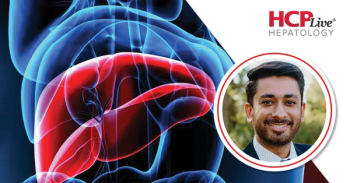
Shroff emphasizes the need to address more than just liver health in patients with alcohol-associated liver disease and reviews trends in AUD pharmacotherapy prescriptions.
Long-term analysis of the PEDFIC studies presented at NASPGHAN 2025 demonstrated sustained reductions in bile acids and pruritus with odevixibat in FIC1 deficiency.
Advertisement
Advertisement
Trending on HCPLive
1
The Case for Routine Kidney Screening, With Pranav Garimella, MBBS, MPH
2
Anti-Alpha-Gal Antibodies Block IgE Binding in Alpha-Gal Syndrome
3
Nearly 9 in 10 US Adults With CKD Don't Know They Have It, With Pranav Garimella
4
Weekly Insulin Efsitora Alfa (Onswik) Gains FDA approval for Type 2 Diabetes
5