






Schizophrenia
Latest News
Advertisement
Latest Videos








CME Content




























































Advertisement
More News

A new study found patients with schizophrenia on lurasidone had an effect size change of 0.33 on the PANSS prosocial subscale, suggesting improvements in social functioning.

In an interview with HCPLive, Daniel Greer, PharmD discussed his team’s study on how antipsychotic injections were linked to a greater reduction in 30-day rehospitalizations than oral medication.
Our January 2024 psychiatry month in review includes studies finding associations with depression, anxiety, and anorexia nervosa, as well as a phase 3 study looking into long-term safety of olanzapine, samidorphan.
In a study comparing readmission rates for patients with schizophrenia or schizoaffective disorder on oral or long-acting injections, investigators found after 30 days the readmission rate was 8.3% among patients who received pills and 1.9% among patients who received injections.

A new study found individuals aged 18 – 55 with treatment-resistant schizophrenia had significantly greater adverse events than individuals aged ≥ 55 years.

In an interview, Jacob Ballon, MD, MPH, discusses the significance of his team’s study which found olanzapine and samidorphan was well-tolerable for up to 4 years of treatment for schizophrenia and bipolar disorder treatment.

A study demonstrated olanzapine and samidorphan’s (LYBALVI) safety, tolerability, and durability during a 4-yeat treatment period.

In a phase 3 EMERGENT-2 trial, the study found 55% of participants with schizophrenia taking xanomeline-trospium had a ≥30% improvement from baseline to week 5, compared to the placebo group.
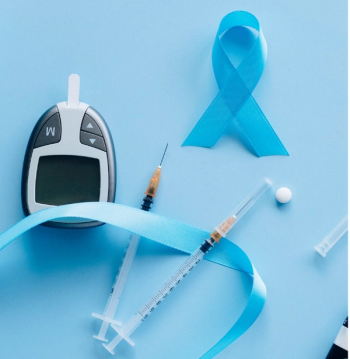
Mothers with mood disorders—either bipolar disorder, major depressive disorder— or schizophrenia/ schizoaffective disorder are not associated with their offspring’s risk for type 1 diabetes. Results suggest mothers with bipolar disorder tend to develop type 1 diabetes, but data is not clinically significant.

The FDA will decide on the approval of xanomeline-trospium, a dual M1/M4 muscarinic acetylcholine receptor agonist in the central nervous system, for the treatment of schizophrenia patients by September 2024.

Investigators of a new meta-analysis designed the Psymatik Treatment Optimizer, an online tool which synthesizes side-effects in a database and can personalize individual user side effect concerns.

Gradually reducing antipsychotic dosage increases the risk of relapse for people with psychotic disorders and does not improve social functioning.

A new study reveals pleasant stimuli brings less joy to people with schizophrenia or those who have a risk of psychosis.

A new literature review shows that globally, a majority of both men and women with schizophrenia experience some form of sexual dysfunction.

The LYNX drug development platform is able to deliver drug consistently, while minimizing peaks and troughs of drug levels compared to daily medicine.

The extended-release injectable suspension treatment represents the first subcutaneous, long-acting formulation of risperidone.
The long-acting injectable can be administered once every 2 months to either treat schizophrenia or serve as a maintenance monotherapy for bipolar disorder.

New research highlights the shared and unique characteristics of sleep and rest-activity rhythm measures among patients with schizophrenia.

The risk of minor nuisances, violating APS law, and violating criminal law were higher in the nonadherence group.

Various psychiatric symptoms, including more severe negative symptoms, lower cognition status, and lower excited symptoms were significantly linked to drug-induced parkinsonism induction.

Children definite motor problems were more likely to have psychotic experiences compared to children with no definite motor problems.

A new cross-sectional analysis suggest there are few options available for patients with schizophrenia or a serious mood disorder.

Anhedonia had the highest expected influence in the most comprehensive network analysis, showing connections with negative and positive symptoms and functional domains.

Patients treated with LAIAs had a lower risk of hospitalization for any cause, hospitalizations for psychiatric disorders, hospitalizations for schizophrenia, and incident suicide attempts compared to patients treated with oral antipsychotics.

A 6-year mirror analysis of risperidone, once-monthly paliperidone palmitate or once-monthly aripiprazole concludes suggesting the regimens may serve as an alternative to clozapine.
Advertisement
Advertisement
Trending on HCPLive
1
The Case for Routine Kidney Screening, With Pranav Garimella, MBBS, MPH
2
FDA Approves Obinutuzumab (Gazyva) for Idiopathic Nephrotic Syndrome
3
What The FDA Psychedelic Hearing Means for Psychiatrists
4
The HCPFive: Top News for Healthcare Providers from the Week of 09/20
5