



Type 2 Diabetes
Latest News
Advertisement
Video Series
Latest Videos


Shorts
1:11
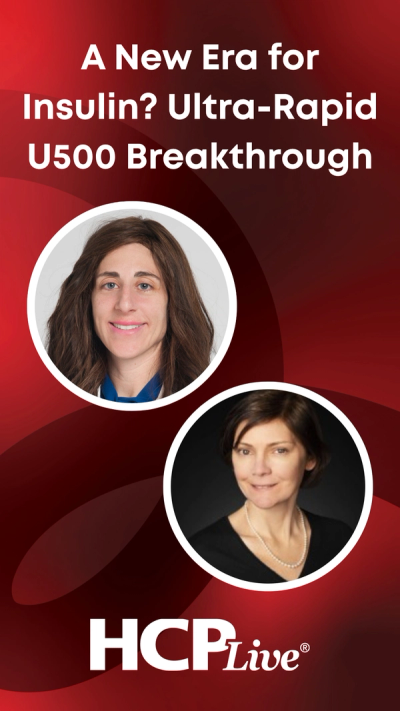
A New Era for Insulin? Ultra-Rapid U500 Breakthrough
a month ago
by
Diana Isaacs, PharmD, BCPS, BCACP, BC-ADM, CDCES(+1 more)
1:07
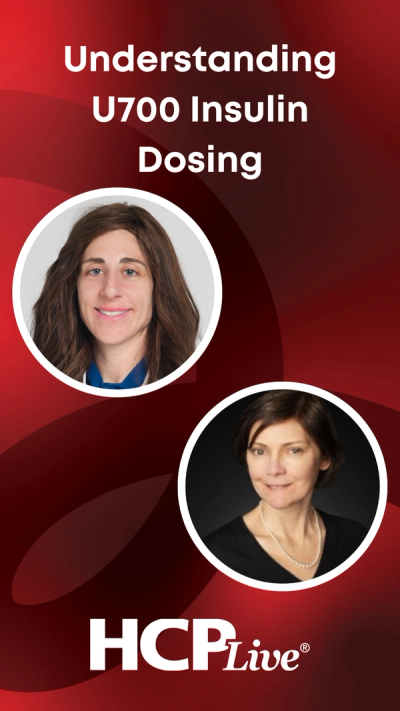
Understanding U700 Insulin Dosing
a month ago
by
Diana Isaacs, PharmD, BCPS, BCACP, BC-ADM, CDCES(+1 more)
1:08
How to Titrate Once-Weekly Insulin
a month ago
by
Diana Isaacs, PharmD, BCPS, BCACP, BC-ADM, CDCES(+1 more)
1:08
A Simpler Way to Manage Diabetes: The New 7-Day Patch Pump
a month ago
by
Diana Isaacs, PharmD, BCPS, BCACP, BC-ADM, CDCES(+1 more)
1:06
New Triple Agonist Drug Achieves 21% Weight Loss
a month ago
by
Diana Isaacs, PharmD, BCPS, BCACP, BC-ADM, CDCES(+1 more)
0:58
Putting Diabetes into Remission: The Power of Early Intervention
2 months ago
by
Diana Isaacs, PharmD, BCPS, BCACP, BC-ADM, CDCES(+1 more)
1:12
The Hidden Risk of Diabetes After Organ Transplant
3 months ago
by
Alan Hutchison, MD, PhD(+1 more)

0:57
Stop Looking at Numbers - Look for Patterns
3 months ago
by
Eugene Wright, Jr., MD(+2 more)
1:10
A New Way to Manage Insulin Titration with Dexcom
4 months ago
by
Diana Isaacs, PharmD, BCPS, BCACP, BC-ADM, CDCES(+1 more)
0:54
The Reality of Diabetes Burden and Pump Technology
6 months ago
by
Diana Isaacs, PharmD, BCPS, BCACP, BC-ADM, CDCES(+1 more)
Podcasts

CME Content



























































Advertisement
More News
Diabetes Dialogue hosts recap ADCES26 highlights on insulin delivery tech, CKM care, C-peptide science, ketone monitoring, and hypercortisolism screening.
In a trial comparing tirzepatide initiation with sitagliptin, the GLP-1/glucose dual agonist displayed greater reductions in major cardiovascular events.
Limits to provider taxes used to fund Medicaid programs, as well as increased eligibility requirements and cost-sharing obligations, may make insurance inaccessible.
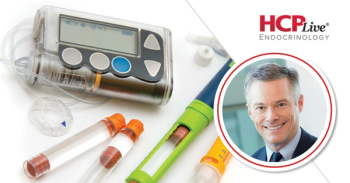
Anderson discusses recent advancements in CGM technology, as well as the myriad behavioral and clinical benefits of CGM use in T2D with or without insulin.
New Drug Applications and key trial readouts punctuated July for endocrinology, with treatments for hypocalcemia, diabetes, and more.
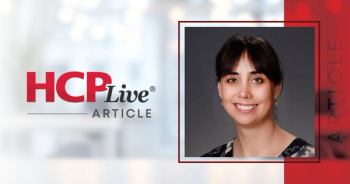
A recent study from Kaiser Permanente has indicated substantial HbA1c improvements among patients receiving food-based support.
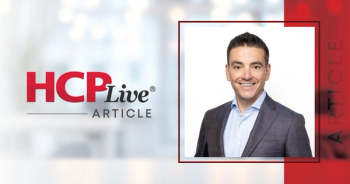
Retatrutide met 80-week weight-loss endpoints in TRIUMPH-2 and TRIUMPH-3, prompting a planned FDA submission in Q1 2027.
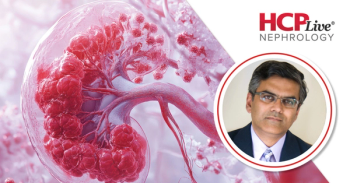
Phase 3 FIND-CKD data show finerenone slows kidney decline and reduces CV events in adults with nondiabetic CKD, Rajiv Agarwal, MD, adds his perspective.
Catch up on key FDA approvals, major trial updates, and critical clinician insights from the last 6 months.
Catch up on key FDA approvals, major trial updates, and critical clinician insights from the last 3 months.
Catch up on major trial results, groundbreaking FDA decisions, and key clinician insights from major endocrinology conferences.
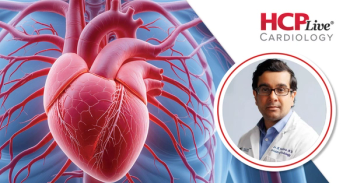
Rishi Wadhera, MD, MPP, MPhil, addresses performance metrics, cross-specialty prescribing, and the policy forces reshaping the cardiometabolic care cascade.
A secret shopper study of 49 websites selling GLP-1 receptor agonists found more than 90% issued a prescription, often without bloodwork, photo verification, or clinician interaction.
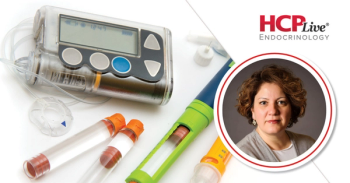
Elena Christofides, MD, discusses the interim results of CAPTAIN-T2D, a trial that plans to evaluate clofutriben’s efficacy in these patients.

ENDO 2026 data suggest tirzepatide may improve renal transplant eligibility in patients with T2D, CKD, and severe obesity.

At ENDO 2026, findings suggest SBP reductions in adults with diabetes are driven by weight loss, not GLP-1 therapy type.

New data presented at ENDO 2026 have indicated substantially lower basal insulin and bolus insulin dose requirements in this population following discharge.
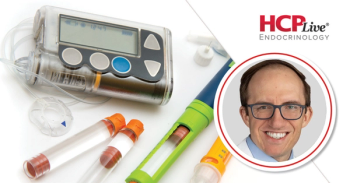
Alan Hutchison, MD, PhD, and Mishal Ali discuss the substantially increased risk of long-term mortality caused by diabetes in patients undergoing major organ transplants.
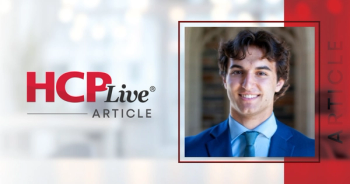
New data from ENDO 2026 have indicated a statistically significant increase in hypotension and related events in adults receiving GLP-1s who are already hypertensive.

MiniMed 780G improved HbA1c and time in range in real-world diabetes data presented at ENDO 2026, with minimal hypoglycemia risk.
Catch up on any data and key clinician perspectives presented at the American Diabetes Association Scientific Sessions 2026.
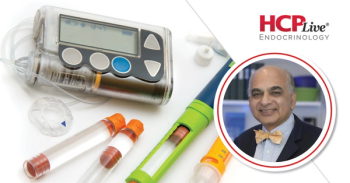
Fonseca discusses substantially lower persistence and adherence with GLP-1s in real-world practice, highlighting methods for clinicians to address this.
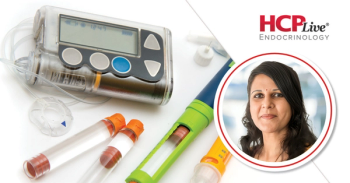
Shaminie Athinarayanan, PhD, discusses her recent study investigating the role of carbohydrate reduction in patients with obesity currently going through menopause.
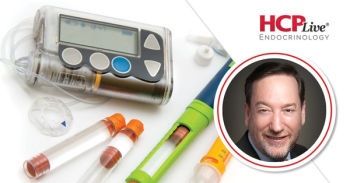
Lance Sloan, MD, discusses his recent sub-analysis of the CATALYST trial, investigating whether hypercortisolism limits the efficacy of GLP-1s.

Sparrow Pharmaceuticals presented phase 2a data for the HSD-1 inhibitor clofutriben at ADA 2026.
Advertisement
Advertisement
Trending on HCPLive
1
Half-Life vs. Real Life: How Real-World Evidence Is Reframing Wet AMD Treatment
2
FDA Grants Priority Review for Insmed's ARIKAYCE sNDA for MAC Lung Disease
3
The HCPFive: Top News for Healthcare Providers from the Week of 09/13
4
When Innovation Builds Clinical Confidence: Evaluating Treatment Options in Hemophilia A
5