




Type 2 Diabetes
Latest News

Advertisement
Video Series
Latest Videos
Shorts

1:02
The Hidden Danger of Insulin Pump Occlusions
6 months ago
by
Diana Isaacs, PharmD, BCPS, BCACP, BC-ADM, CDCES(+1 more)

1:54
Understanding the Eversense & twiist Integration Announcement
6 months ago
by
Diana Isaacs, PharmD, BCPS, BCACP, BC-ADM, CDCES(+1 more)
1:13
How Close Are We to Fully Closed Loop for Type 2 Diabetes?
6 months ago
by
Diana Isaacs, PharmD, BCPS, BCACP, BC-ADM, CDCES(+1 more)
1:10
A 1-Year Implantable CGM? The Future of Diabetes Tech is Here
7 months ago
by
Diana Isaacs, PharmD, BCPS, BCACP, BC-ADM, CDCES(+1 more)
1:01
The Challenge of Concentrated Insulin and Micro-Dosing
7 months ago
by
Diana Isaacs, PharmD, BCPS, BCACP, BC-ADM, CDCES(+1 more)

1:12
Oral Ozempic & Wegovy: The Future of Weight Loss Treatment
7 months ago
by
Diana Isaacs, PharmD, BCPS, BCACP, BC-ADM, CDCES(+1 more)

1:06
The Hidden Dangers of Compounded Oral Ozempic
7 months ago
by
Diana Isaacs, PharmD, BCPS, BCACP, BC-ADM, CDCES(+1 more)

1:13
Novo Nordisk Sues Over Unspecified Oral GLP-1 Formulation
7 months ago
by
Diana Isaacs, PharmD, BCPS, BCACP, BC-ADM, CDCES(+1 more)

1:03
Traveling with GLP-1s: Why a Pill Changes Everything
9 months ago
by
Diana Isaacs, PharmD, BCPS, BCACP, BC-ADM, CDCES(+1 more)

0:44
New Oral GLP-1s Provide Alternatives to Injection
9 months ago
by
Diana Isaacs, PharmD, BCPS, BCACP, BC-ADM, CDCES(+1 more)
Podcasts

CME Content



























































Advertisement
More News
New data presented at ENDO 2026 have indicated substantially lower basal insulin and bolus insulin dose requirements in this population following discharge.

New data from ENDO 2026 have indicated a statistically significant increase in hypotension and related events in adults receiving GLP-1s who are already hypertensive.

MiniMed 780G improved HbA1c and time in range in real-world diabetes data presented at ENDO 2026, with minimal hypoglycemia risk.
Catch up on any data and key clinician perspectives presented at the American Diabetes Association Scientific Sessions 2026.
This episode covers recently released data regarding the Dexcom G7 and Eli Lilly’s investigational triple agonist retatrutide from ADA 2026.
Amit Gupta, MBBS, DNB, joins the show to discuss diabetes treatment in a traditionally underserved population and to address the IDF’s work in moving it forward.

Sparrow Pharmaceuticals presented phase 2a data for the HSD-1 inhibitor clofutriben at ADA 2026.

Elecoglipron 75 mg produced 10.5% body weight reduction at 26 weeks in VISTA and a 1.9% HbA1c reduction at 26 weeks in SOLSTICE.
Ketan Dhatariya, MD, PhD, MS, joins the show to discuss how therapies for diabetes have evolved in the UK in comparison to the US.

twiist improved time in range by 16 percentage points and reduced HbA1c by 0.7 points over 13 weeks in insulin-treated adults with type 2 diabetes, with no severe hypoglycemia events.

DKA remains a growing challenge in diabetes care, with new data highlighting missed diagnoses, rising admissions, and higher costs.

A new substudy of VESALIUS-CV presented at ADA 2026 has confirmed that evolocumab’s cardioprotective effects extend to patients at risk from diabetes.

Across a trio of phase 3 trials, CagriSema delivered superior HbA1c reduction and weight loss versus semaglutide in adults with type 2 diabetes

Orforglipron added to titrated insulin glargine reduced HbA1c by up to 2.05% and body weight by up to 6.1% versus placebo, without increasing hypoglycemia risk.

Eli Lilly’s investigative GLP-1/GIP/glucagon triple agonist has outperformed placebo in patients with poorly-controlled T2D.

The CONNECT trial found CGM improved A1C and time in range in adults with type 2 diabetes not on insulin.

STEP UP T2D data suggest semaglutide 7.2 mg's superiority to the 2.4 mg dose and placebo for proposed BMI and waist-to-height ratio treatment targets.

An EHR-based machine learning model predicted 10-year type 2 diabetes risk with near-ideal calibration in over 3 million adult patients.
Sood discusses emerging diabetes technologies, from automated insulin delivery to dual glucose-ketone monitoring, at ADA 2026.
Catch up on major trial results, key FDA decisions, and more.
View the top 6 trials to watch ahead of a star-studded ADA 2026.
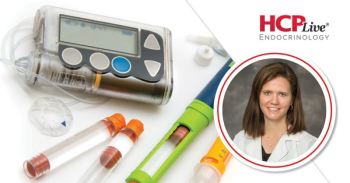
Jamie Wood, MD, discusses the impact of Afrezza’s recent FDA approval for pediatric patients with type 1 and type 2 diabetes.

The FDA has approved fast-acting inhaled insulin Afrezza for pediatric patients aged 6-18 years with T1D or T2D.
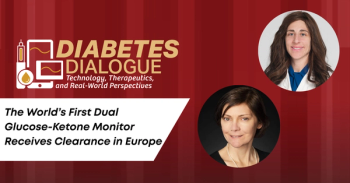
Diabetes Dialogue cohosts Diana Isaacs, PharmD, and Natalie Bellini, DNP, cover the recent approval of the Libre Duo and Libre Duo 10 Day monitors.
Diabetes Dialogue cohosts Diana Isaacs, PharmD, and Natalie Bellini, DNP, cover more of the upcoming news releases announced for ADA 2026.
Advertisement
Advertisement
Trending on HCPLive
1
Half-Life vs. Real Life: How Real-World Evidence Is Reframing Wet AMD Treatment
2
FDA Grants Priority Review for Insmed's ARIKAYCE sNDA for MAC Lung Disease
3
The HCPFive: Top News for Healthcare Providers from the Week of 09/13
4
When Innovation Builds Clinical Confidence: Evaluating Treatment Options in Hemophilia A
5