



Type 2 Diabetes
Latest News
Advertisement
Latest Videos



Podcasts

CME Content



























































Advertisement
More News

The FDA accepted the NDA for oral semaglutide 25 mg, a potentially revolutionary daily treatment for weight management and cardiovascular risk reduction.
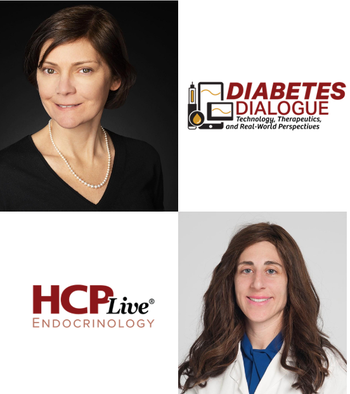
In this episode, hosts explore the findings of the Catalyst trial on hypercortisolism and its impact on type 2 diabetes.
In this episode, hosts explore promising results of orforglipron, a new oral GLP-1 receptor agonist, showing significant A1C reduction and weight loss potential.

Once-daily orforglipron showed strong efficacy and safety, matching injectable GLP-1s for A1c reduction and weight loss in the ACHIEVE-1 trial.
This episode spotlights a pair of studies examining use of semaglutide from the American College of Cardiology's 2025 Scientific Sessions.
The FDA cleared the expanded indication for the treatment of endogenous hypercortisolemia in adults with Cushing’s syndrome.
In this episode, experts discuss practical guidance for screening for presymptomatic type 1 diabetes with Rifka Schulman-Rosenbaum, MD.
An audio recap of the top 5 stories in healthcare news from the week of 03/31-04/06.
With regulatory clearance for people aged ≥18 years with diabetes, Dexcom G7 boasts the longest-lasting wearable and most accurate CGM system.

Deepak Bhatt, MD, MPH, MBA, explores high-impact trials from ACC.25, including REVERSE-IT, Alpaca, ADVANCE-HTN, SOUL, STRIDE, and DapaTAVI.
In this episode, hosts break down the STRIDE and SOUL trials presented at the American College of Cardiology 2025 Annual Scientific Sessions.

Patients switching to tirzepatide had greater improvements in HBA1C and weight at week 40 in a phase 4 RCT.
In the first of 2 episodes spotlighting the meeting, hosts break down news and updates from the Advanced Technologies and Treatments for Diabetes meeting.

Marc Bonaca, MD, MPH, examines the benefit of semaglutide on functional outcomes in PAD from the STRIDE trial at ACC.25.

McCulley examines the latest updates on GLP-1 receptor agonists relevant for ophthalmologists and patients with ophthalmic diseases at TOA 2025.
The first quarter of 2025 saw approvals in diabetes, depression, kidney disease, and pain, among others. Read more about high-impact approvals of Q1 now.
Our Q1 2025 recap for endocrinology spotlights 5 regulatory updates, 5 key trial announcements, and top expert perspectives in diabetes care.
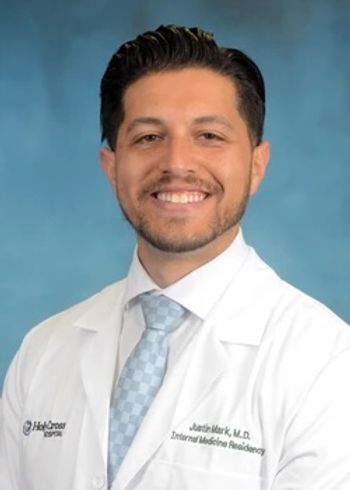
Justin Mark, MD, discusses an analysis of the FIGHT trial looking at racial and ethnic differences in heart failure outcomes.

Mantzoros explains the need for multidisciplinary MASLD care and how to balance lifestyle modifications with emerging medications.

Jose Lopez, MD, discusses findings and perspective into racial and ethnic differences in DbCM from the ARISE-HF trial.
Hosts break down the STRIDE and SOUL trial results and reflect on how they might inform treatment strategies in the respective patient populations.

Four-year results from SOUL at ACC.25 were the first to test the cardiovascular benefits of an oral GLP-1 RA in high-risk type 2 diabetes.

Data from STRIDE at ACC.25 demonstrate semaglutide could provide even greater benefits in type 2 diabetes than previously known.
Mantzoros explains factors contributing to the growing burden of MASLD and the need for collaboration between hepatology, primary care, and endocrinology.
A meta-analysis of 27 trials found no increased risk of suicide or self-harm with GLP-1 RAs, supporting their safety for diabetes and obesity management.
Advertisement
Advertisement
Trending on HCPLive
1
Half-Life vs. Real Life: How Real-World Evidence Is Reframing Wet AMD Treatment
2
FDA Grants Priority Review for Insmed's ARIKAYCE sNDA for MAC Lung Disease
3
The HCPFive: Top News for Healthcare Providers from the Week of 09/13
4
When Innovation Builds Clinical Confidence: Evaluating Treatment Options in Hemophilia A
5